Spring Allergies: How Pollen Impacts Black Adults & What You Can Do About It
An allergy occurs when the immune system reacts to a normally harmless substance as if it were dangerous. These reactions can range from mild symptoms like watery eyes to severe, life-threatening conditions such as anaphylaxis. In fact, over 106 million people (about 1 in 3 individuals) in the U.S. experience allergies each year. Several conditions fall under the umbrella of allergies, including allergic rhinitis (sometimes called “hay fever”), food allergies, anaphylaxis, allergic skin conditions, and allergic asthma. The most common food allergies are peanut, milk, shellfish, and tree nuts.

During this 3-part series we will explore the allergens: pollen, seafood, and nuts.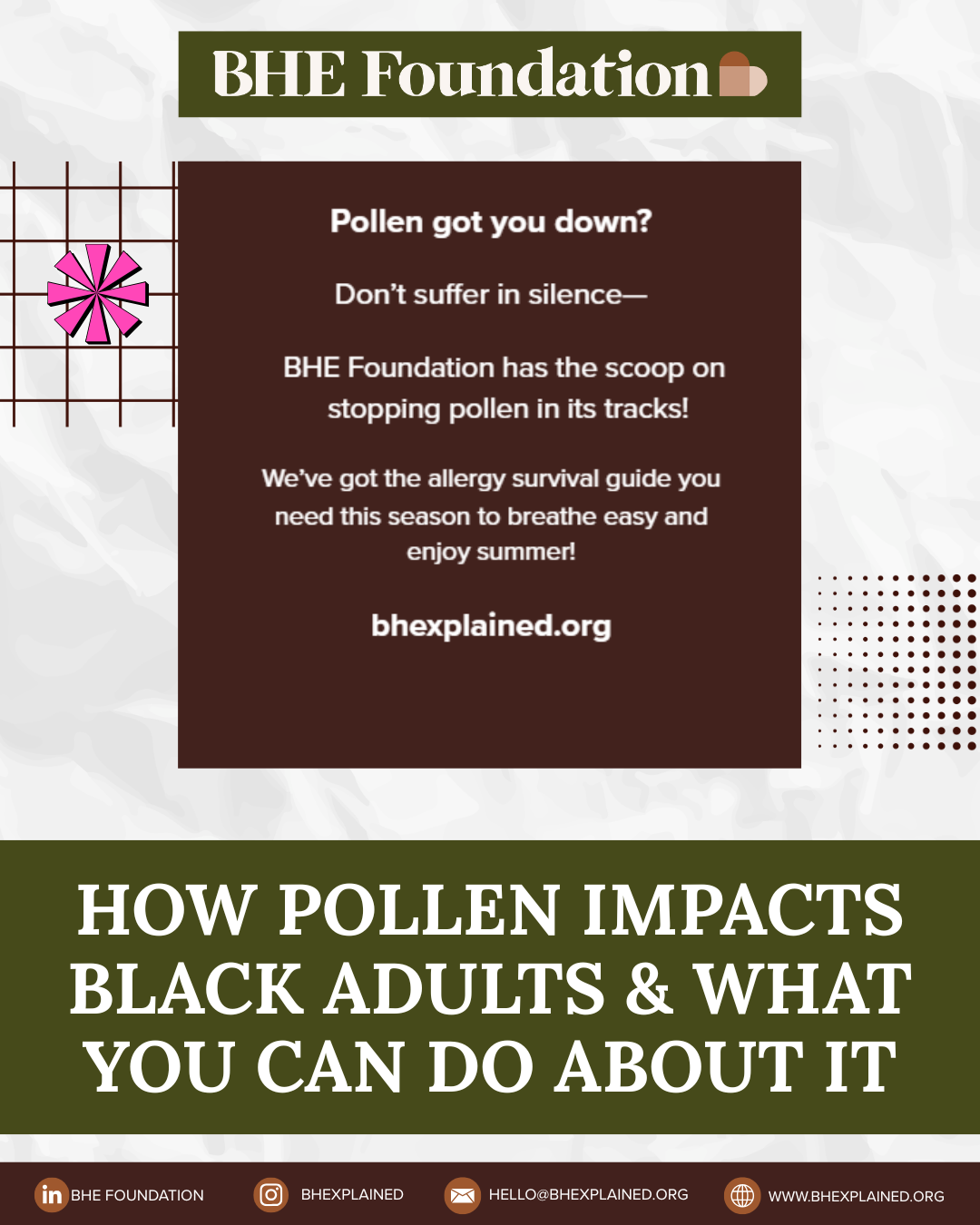
What Are Seasonal Allergies?
Seasonal allergies, sometimes referred to as "hay fever," occur when the immune system overreacts to harmless substances in the environment, like pollen. Reports indicate that, in 2024, non-Hispanic Black adults were more prone to seasonal allergies compared to Hispanic and non-Hispanic Asian adults (American Allergy, Asthma, and Immunology, 2024). For Black men and women aged 20-45 in the DMV area (D.C., Maryland, and Virginia), understanding the common allergens that accompany the season is crucial for maintaining optimal health and well-being. What Is Pollen & Why Does It Matter?
Pollen is a fine, powdery substance released by plants as part of their reproductive process. While it’s natural, it’s also one of the most common triggers of seasonal allergies. According to a 2026 report by the Asthma and Allergy Foundation of America, Richmond ranked #14 among the top allergy capitals, highlighting how intense pollen exposure can be in our region. Virginia Beach was also marked on the report as #50.There are three main types of pollen, each peaking at different times:
Pollen Season in the U.S.
February – April: Tree pollen
April – Early June: Grass pollen
August – Early January: Weed pollen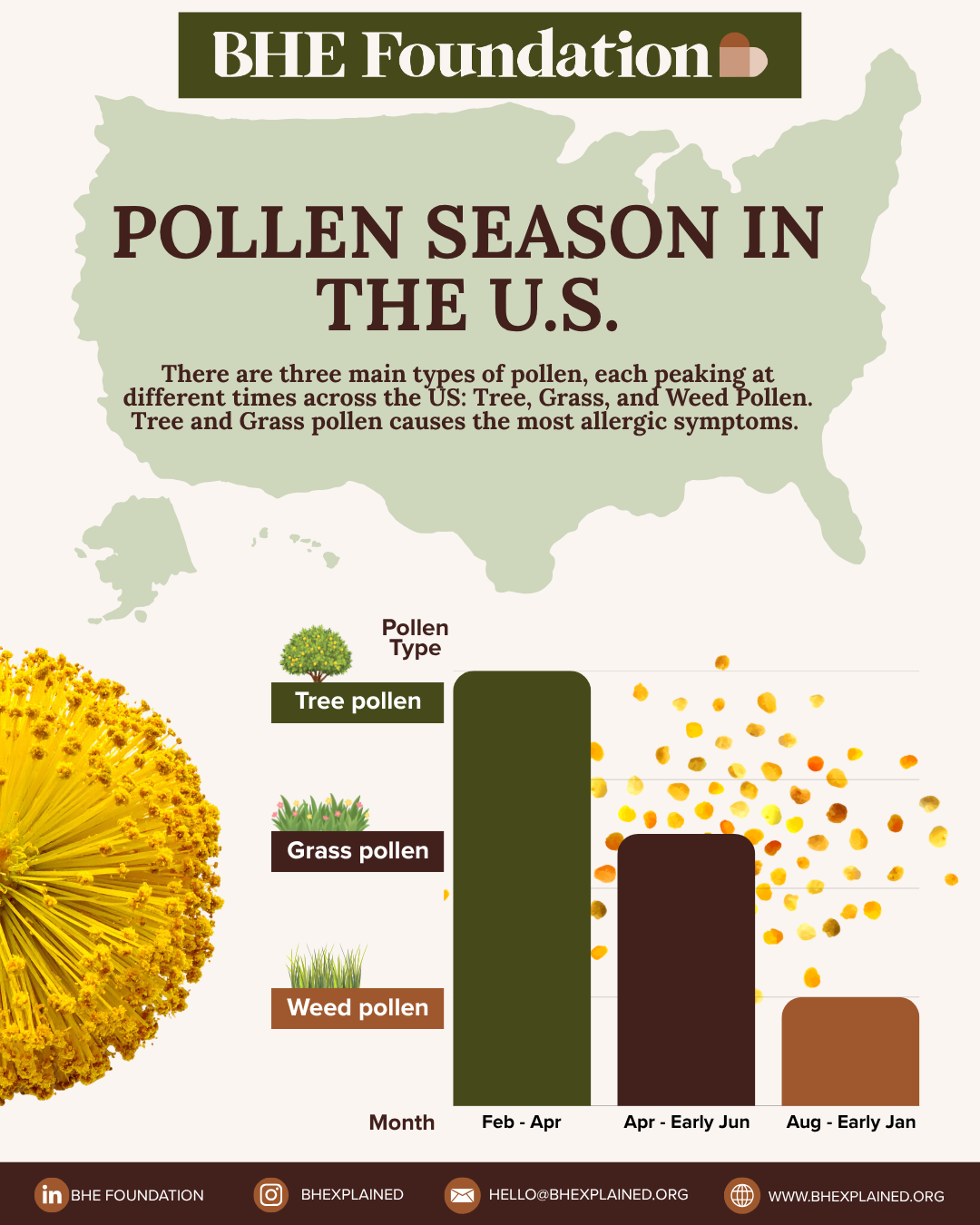
Tree Pollen (Spring)
Tree pollen can travel miles and begins as early as January in southern states.Common triggers to avoid:
Oak
Walnut
Hickory
Sycamore
Lower-allergy tree options:
Crape myrtle
Dogwood
Redbud
Grass Pollen (Late Spring–Summer)
Grass pollen levels vary by temperature, rain, and time of day.Pro tip:
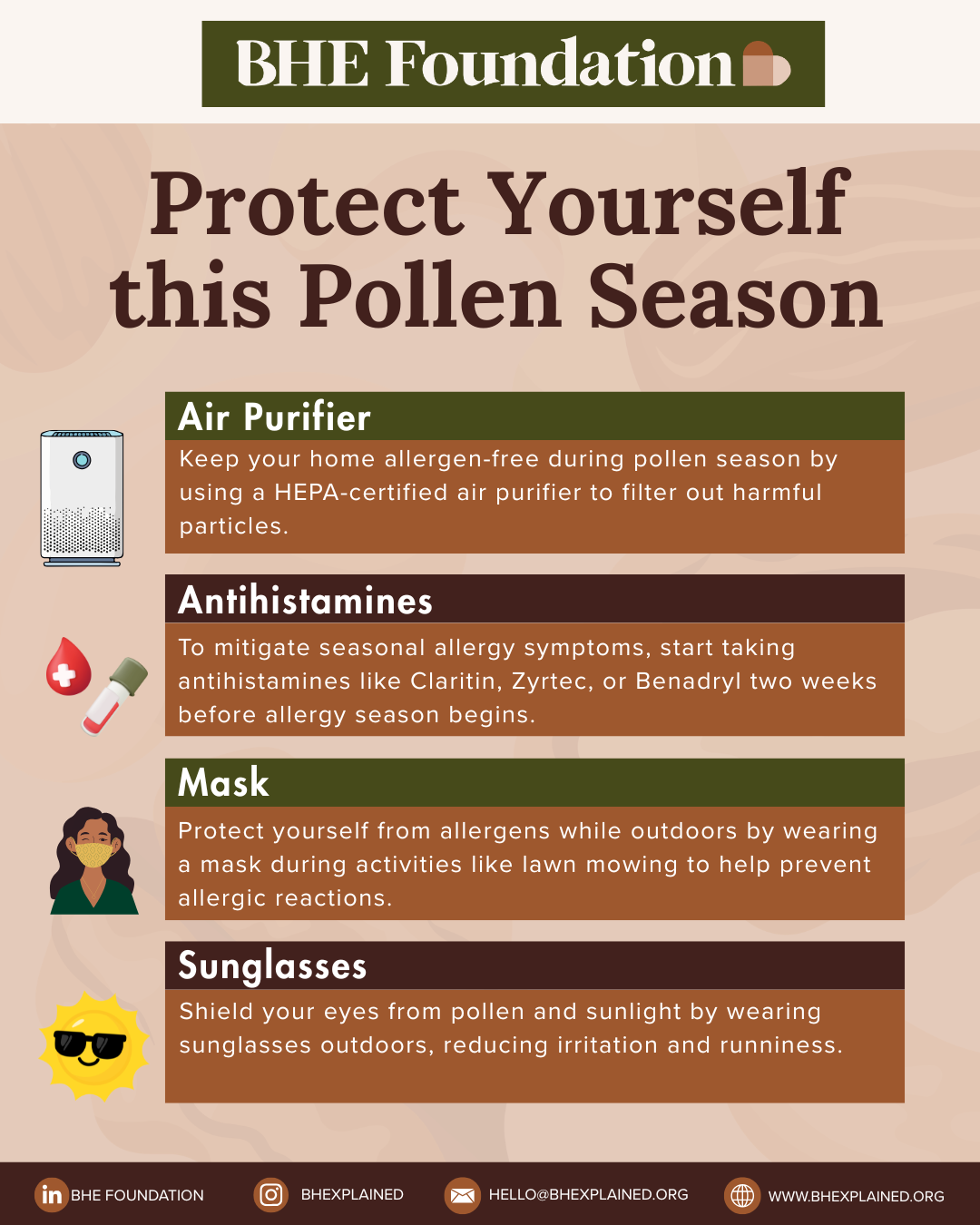
Wear a mask while mowing the lawn or ask someone else to do it. Keeping grass short can also reduce pollen exposure.
Weed Pollen (Fall)
Ragweed is one of the most aggressive allergens and grows in areas disturbed by human activity.
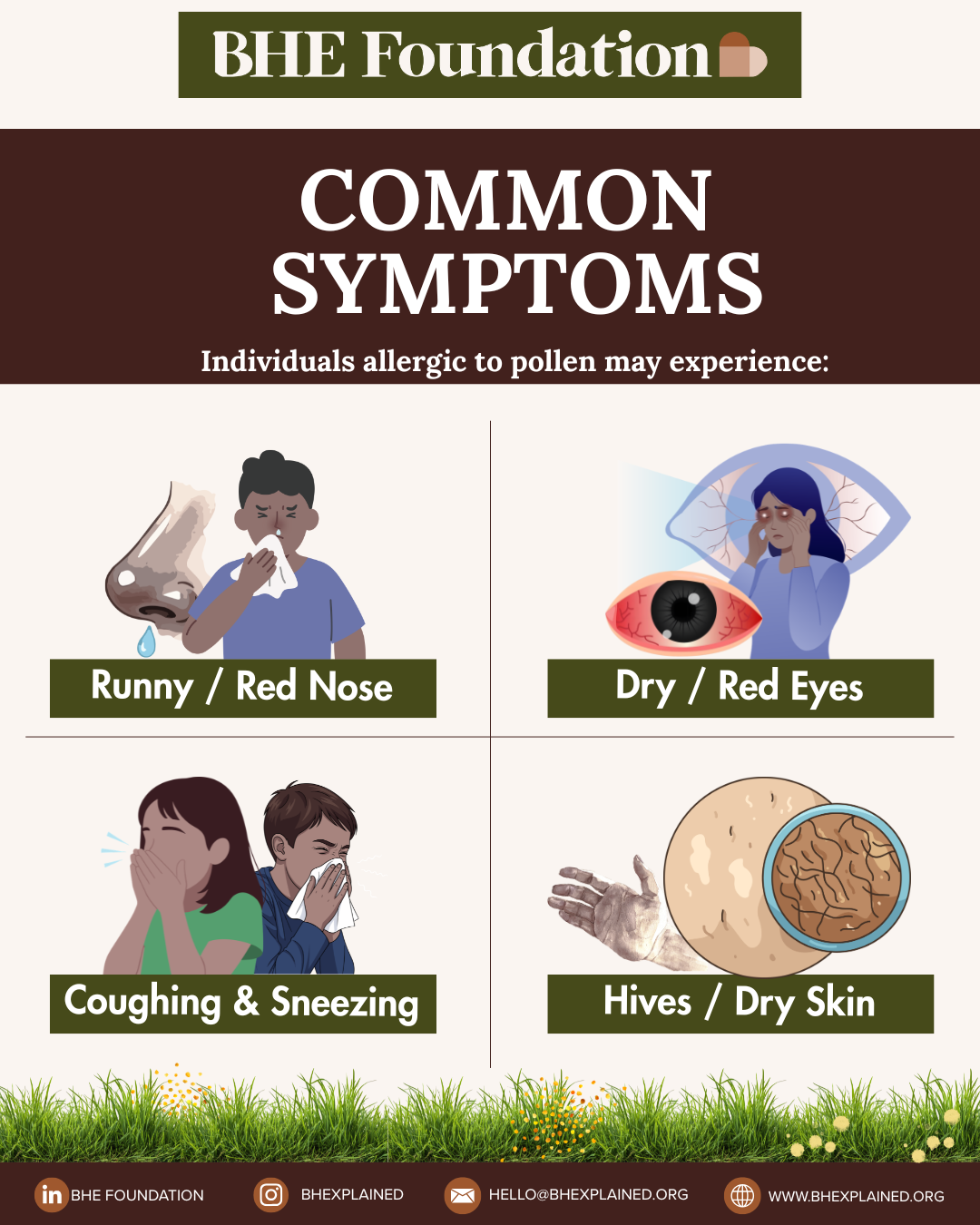
Common Symptoms
Individuals allergic to pollen may experience:SneezingRunny or congested noseRed, itchy, or watery eyes
-
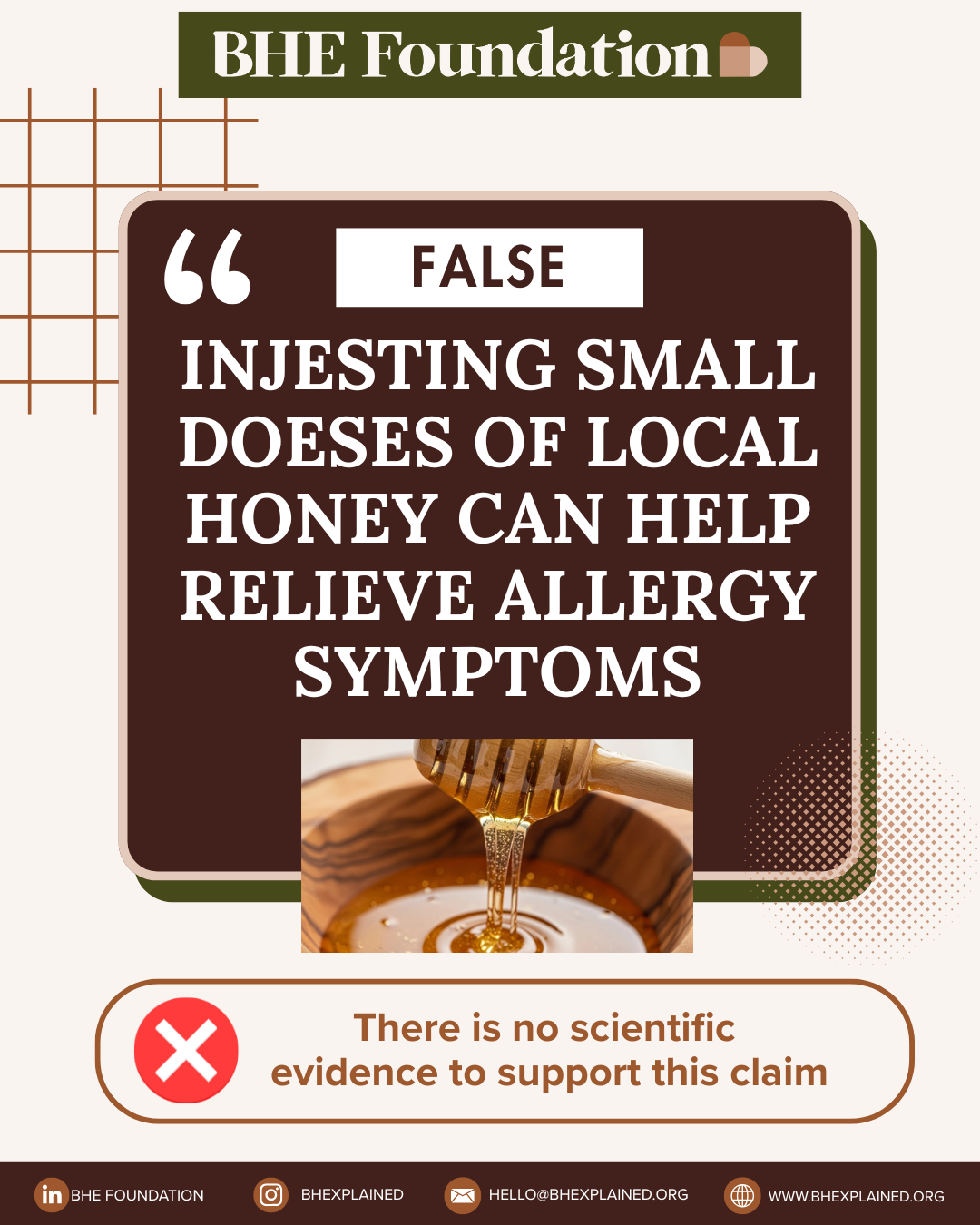
FALSE! There is no scientific evidence to support this claim.
How Is a Pollen Allergy Diagnosed?
Diagnosis often involves skin or blood tests conducted by an allergist. Preemptive treatment is crucial; starting allergy medications at least two weeks before pollen season can make a significant difference in managing symptoms.If symptoms persist, it’s worth getting tested—especially if they interfere with daily life.Click here for a list of Allergy&Immunology Specialists in the DC Area: DC Allergists 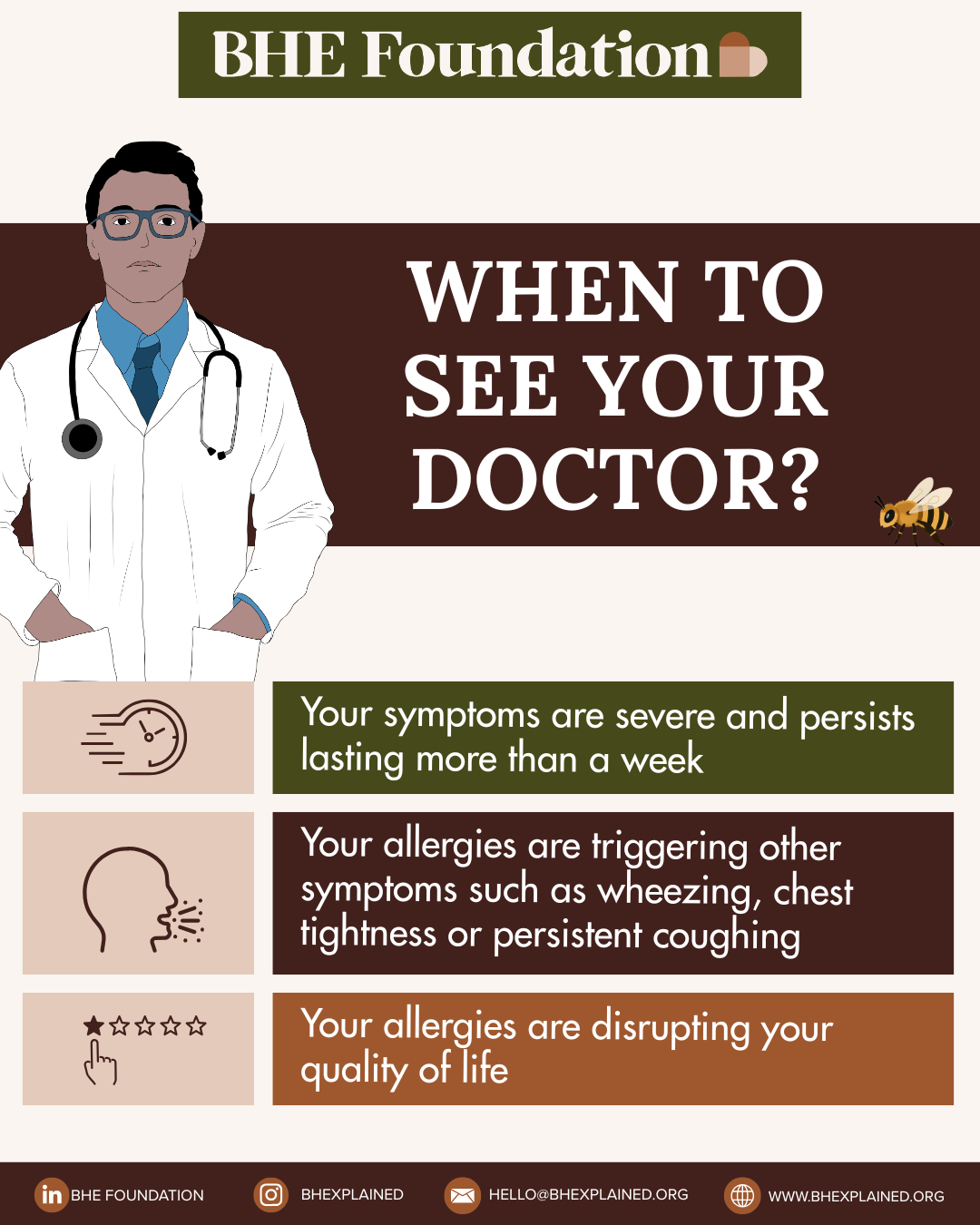
How to Protect Yourself During Pollen Season
Small daily habits can make a big difference:Start allergy medications 2 weeks before the season beginsKeep windows closed during high pollen daysShower before bed to remove pollen from your bodyChange clothes after being outsideUse HEPA filters or air purifiers indoorsRemove shoes before entering your homeLimit contact with pets that spend time outdoorsWearing sunglasses outdoors can also help reduce eye irritation.
Treatment Options
Depending on your symptoms, treatments may include:Antihistamines (like Allegra®, Claritin®, Zyrtec®)Nasal steroid sprays (Flonase®, Nasacort®)Allergy shots or immunotherapyNasal irrigation (like a neti pot)
Myth Check: Does Local Honey Help?
You may have heard that eating local honey can reduce pollen allergies.
The truth?
A popular belief is that local honey can relieve allergic rhinitis (hay fever) by gradually exposing the body to small amounts of local pollen to build tolerance. While bees collect and transfer pollen from flowers, most pollen allergens are spread by wind. In short, There is no scientific evidence to support this claim as there not enough pollen in honey.
Why This Matters for the DMV
With cities like Richmond ranking high for allergy severity, and similar environmental conditions across the DMV, pollen exposure is a real concern.
Combined with higher allergy rates among Black adults, awareness and prevention are key to staying healthy this season.
Awareness and understanding of seasonal allergies, particularly pollen, can empower individuals, especially Black men and women in the DMV, to take proactive steps in managing their health. Stay tuned for our next blog on shellfish allergies, where we will delve into another common allergen affecting many in our community.