
Let’s Talk About Prostate Health
We are back with another blog post to spread awareness of prostate health. Prostate cancer is a prominent health condition impacting Black men in our community, and other prostate conditions have similar signs and symptoms of prostate cancer. This blog strives to increase knowledge on the three common types of prostate health conditions and inspire practical actions Black men can take to keep a healthy prostate. 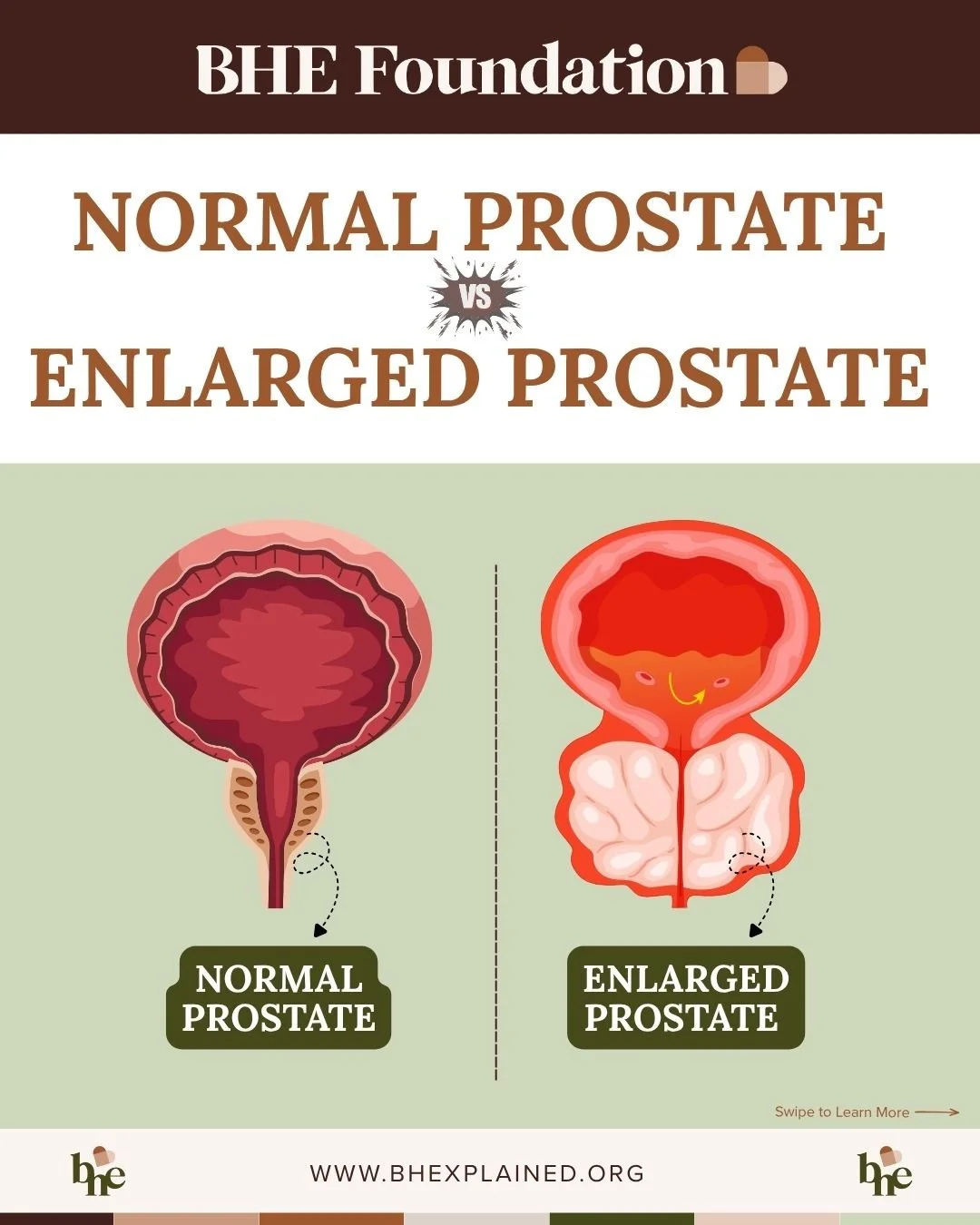
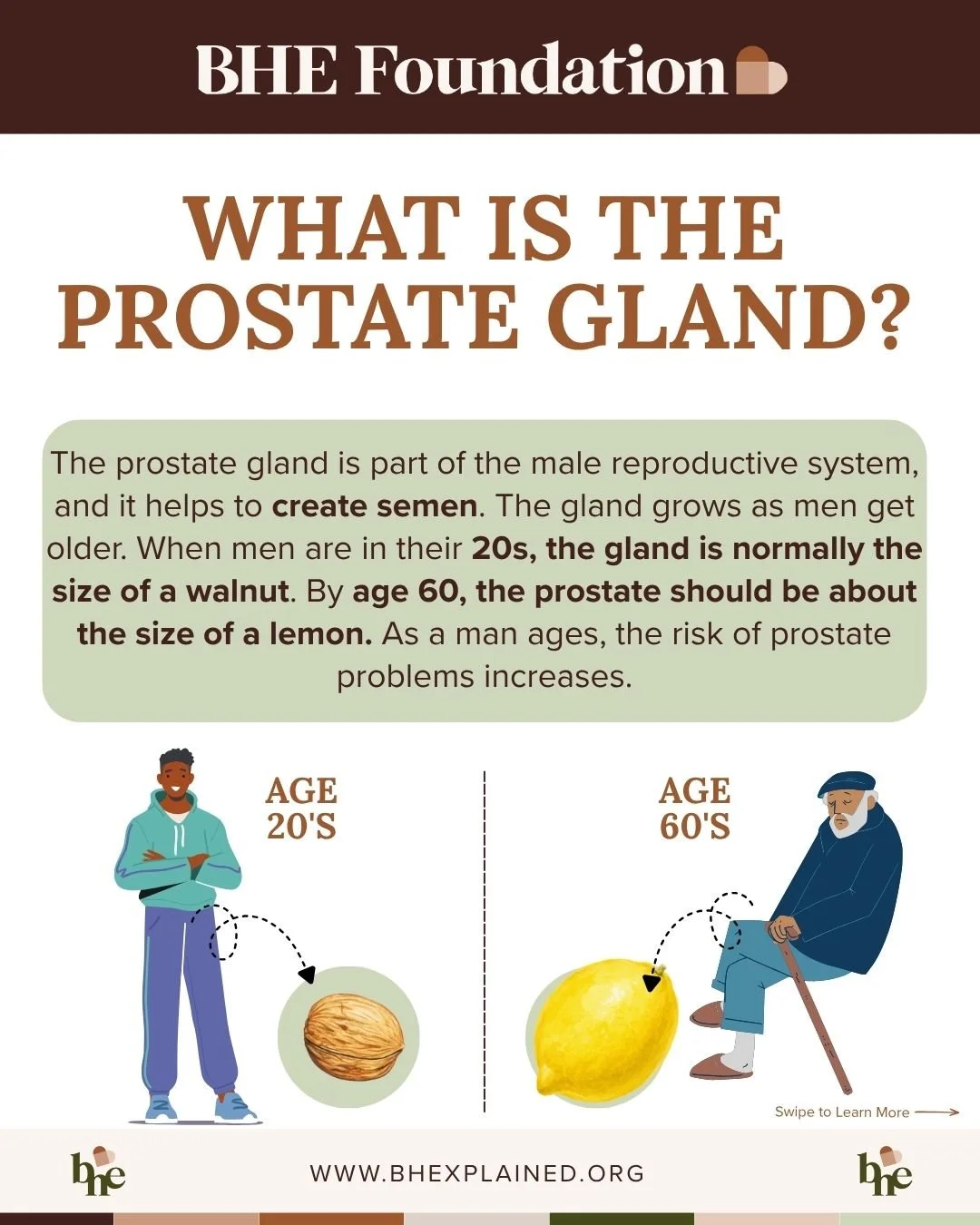
The prostate gland is part of the male reproductive system, and it helps to create semen. The gland grows as men get older. When men are in their 20s, the gland is normally the size of a walnut. By age 60, the prostate should be about the size of a lemon. As a man ages, the risk of prostate problems increases.
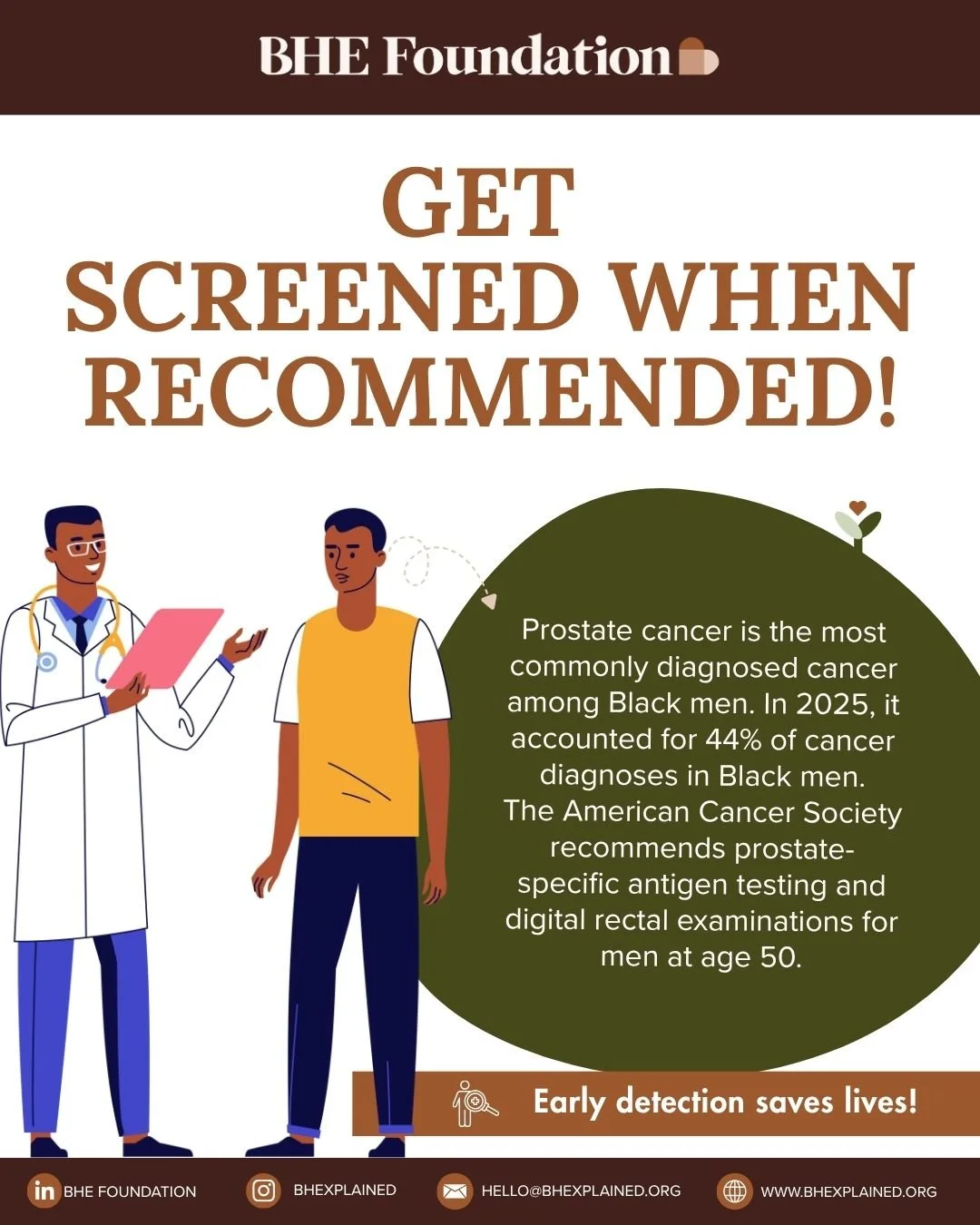
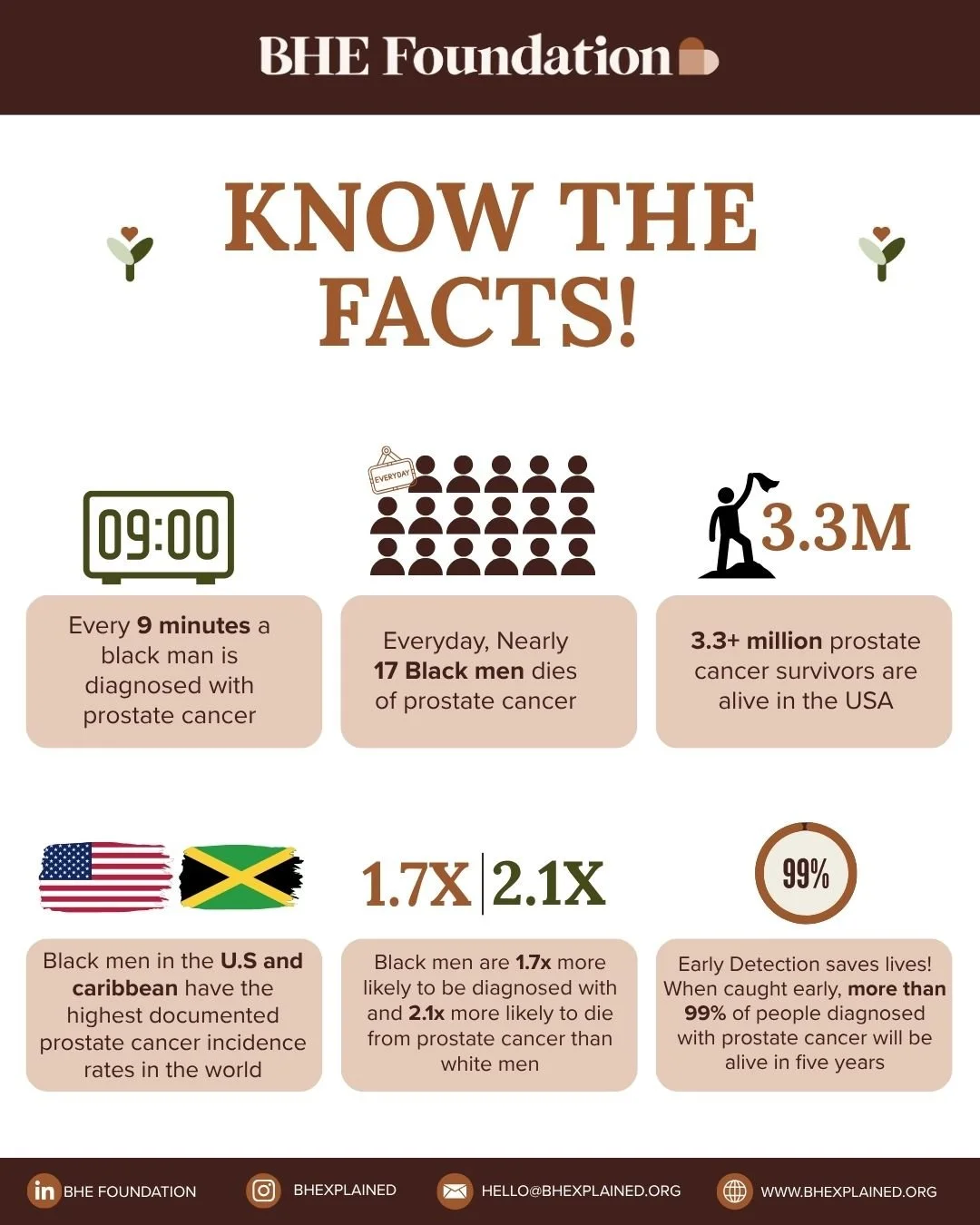
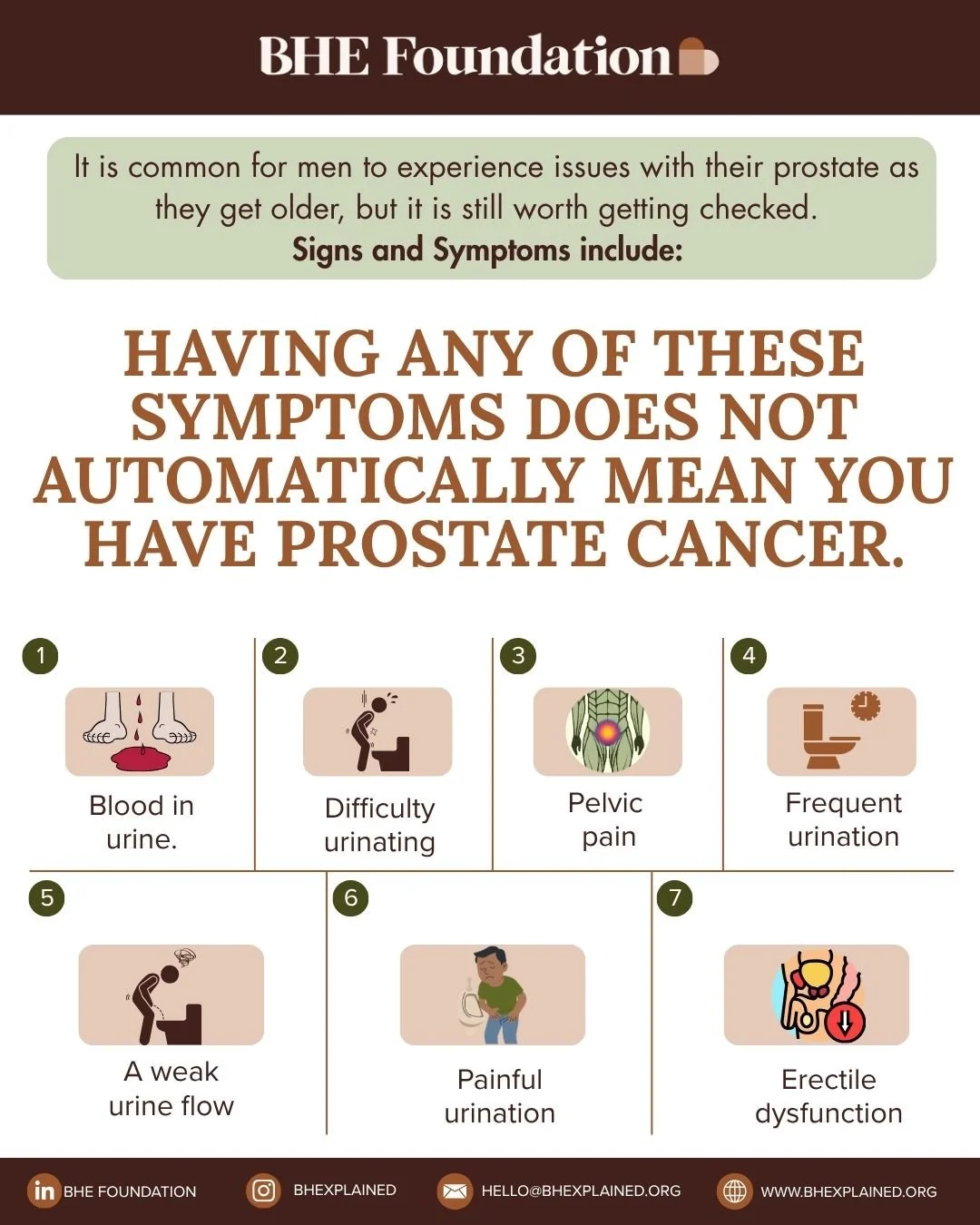
Prostate cancer is the most commonly diagnosed cancer among Black men. In 2025, it accounted for 44 percent of cancer diagnoses in Black men. Screening is very important for detecting prostate cancer because symptoms often do not show in the earlier stages of it (stage Common warning signs of prostate cancer include:
Blood in urine.
Difficulty urinating
Pelvic pain
Frequent urination
A weak urine flow
Painful urination
Erectile dysfunction
Disclaimer: Having any of these symptoms does not automatically mean you have prostate cancer. It is common for men to experience issues with their prostate as they get older, and the next two conditions we’re about to discuss have symptoms that mimic prostate cancer symptoms.
Prostate Conditions: Know the Difference
Several conditions can affect the prostate, but they are not all cancer.
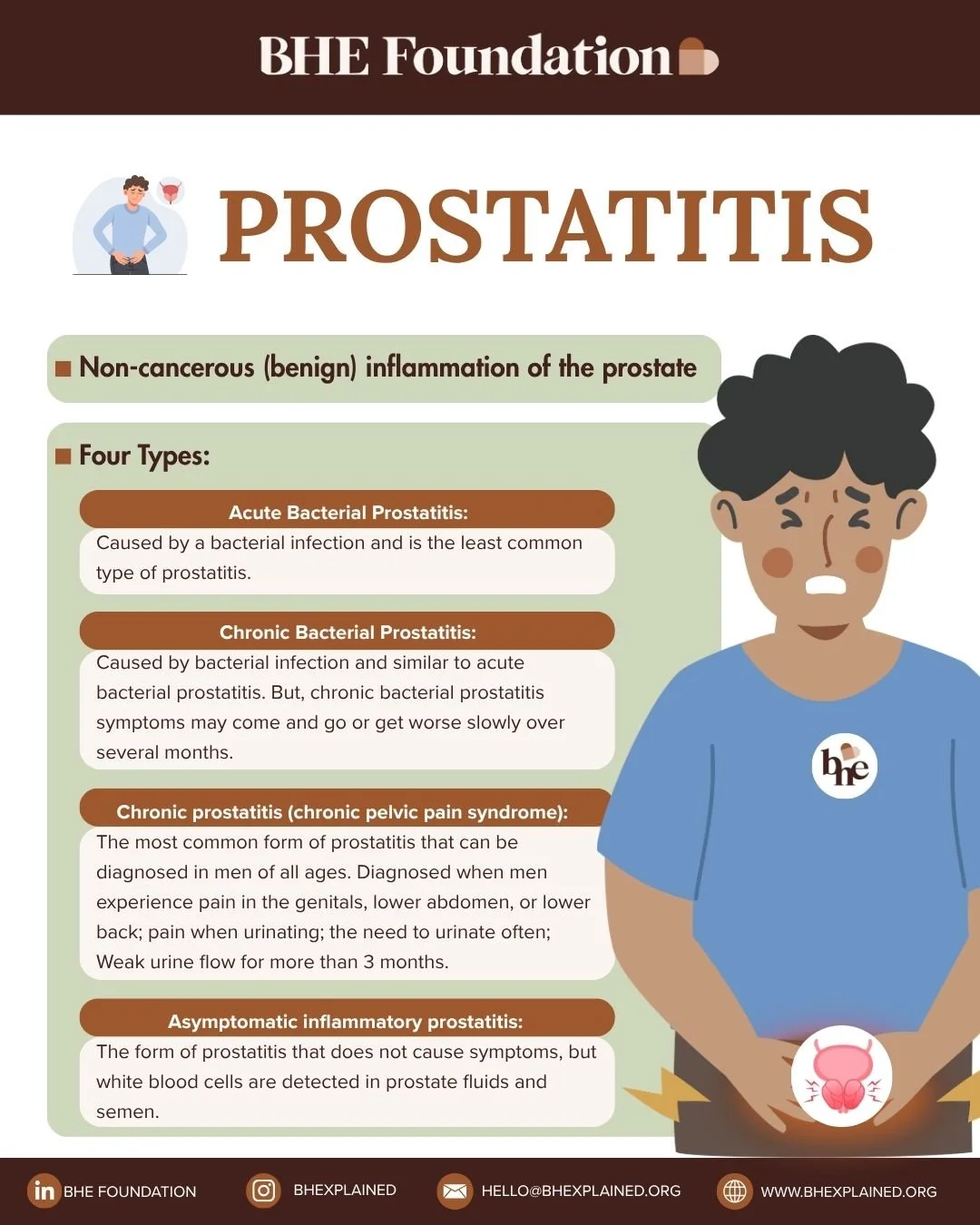
Prostatitis is inflammation of the prostate and may be caused by a bacterial infection. It can cause pelvic pain, burning or difficulty with urination, frequent urination, and sometimes fever.
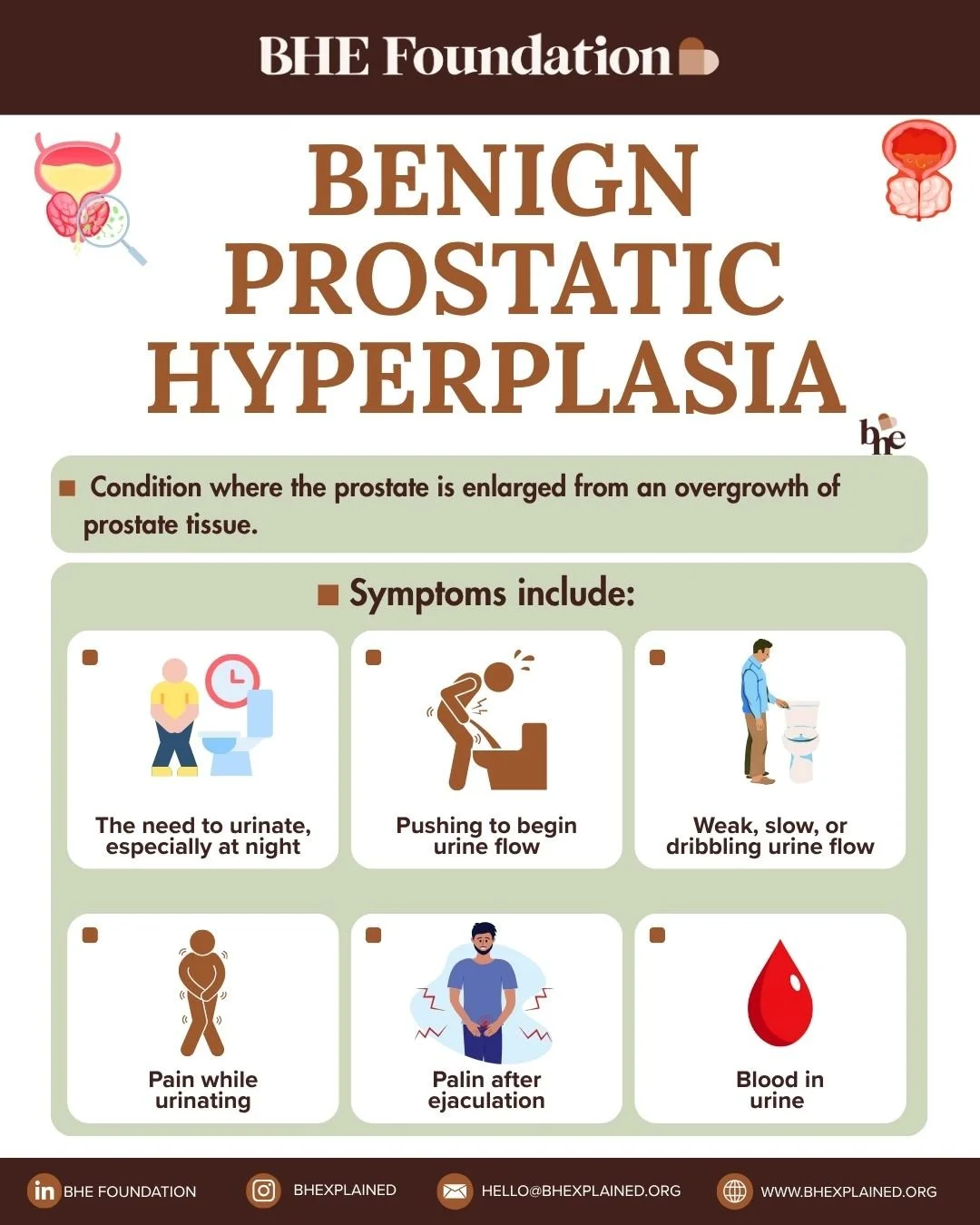
Benign prostatic hyperplasia (BPH) is a noncancerous enlargement of the prostate that becomes more common with age. It can cause a weak urine stream, difficulty starting urination, frequent nighttime urination, and a feeling that the bladder has not completely emptied.
Prostate cancer, however, occurs when abnormal cells in the prostate grow uncontrollably. Unlike prostatitis and BPH, prostate cancer can spread to other parts of the body if it is not detected and treated.
Prostate Cancer: What Men Should Know
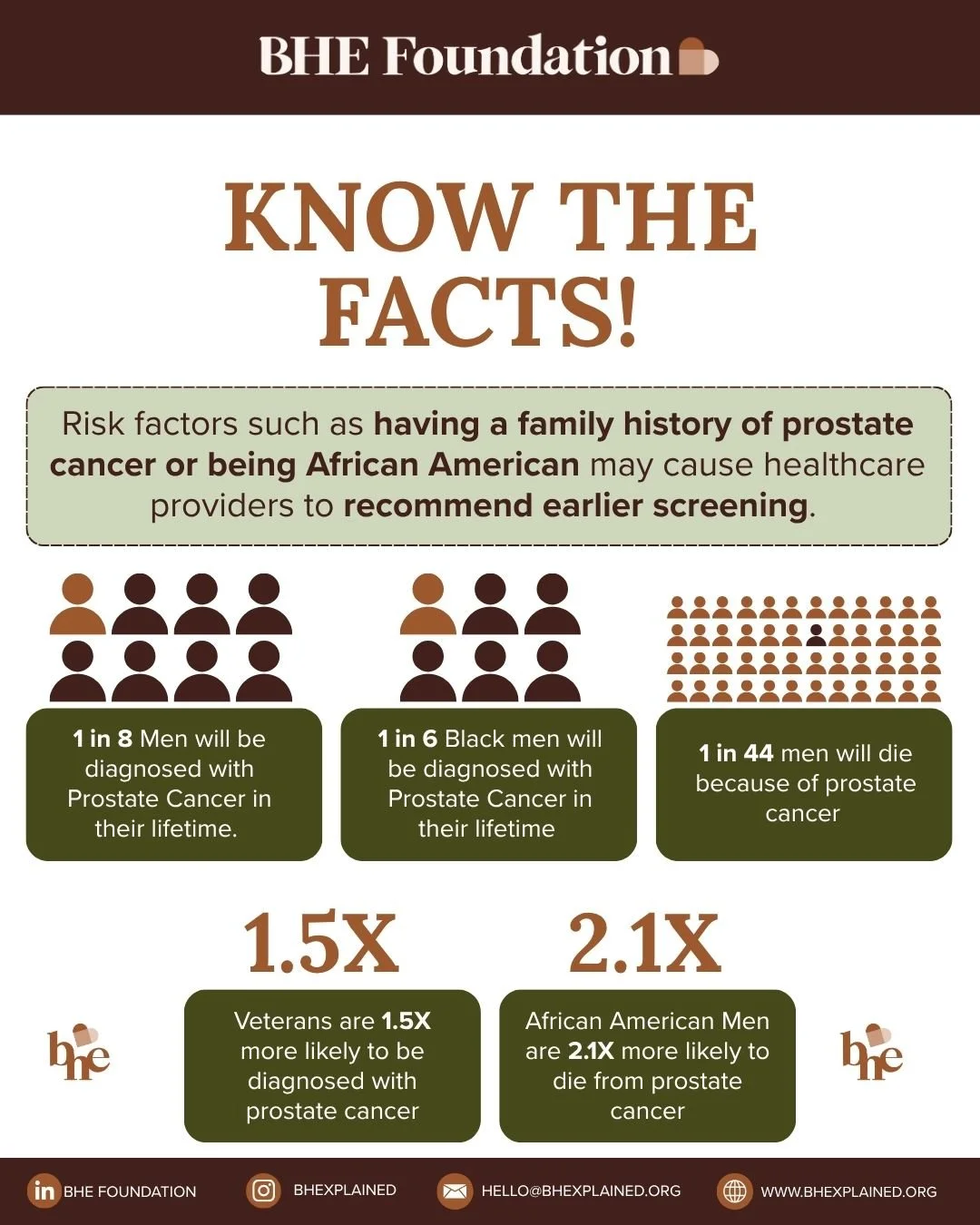
Prostate cancer is one of the most common cancers among men in the United States. The risk increases with age, and Black men face a higher risk of developing prostate cancer and are more likely to die from the disease than men of other racial groups.
One reason prostate cancer can be challenging to detect is that early prostate cancer often causes no symptoms. This is why conversations about risk and screening are important, particularly for men at higher risk.
When symptoms do occur, they may include:
· Difficulty starting or maintaining urination
· Weak or interrupted urine flow
· Frequent urination, particularly at night
· Blood in the urine or semen
· Pain with urination or ejaculation
· Persistent pain in the back, hips, or pelvis
These symptoms do not automatically mean someone has prostate cancer. BPH, prostatitis, urinary infections, and other conditions can cause similar symptoms. A healthcare professional can determine what may be causing the changes.
Why Screening Matters
There is no single test that can determine whether a man has prostate cancer. Screening typically involves a conversation with a healthcare provider about personal risk factors and may include a prostate-specific antigen (PSA) blood test. A digital rectal exam may also be considered.
Because screening has both potential benefits and harms, men should discuss whether screening is appropriate for them based on their age, family history, overall health, and individual risk.
For Black men and men with a strong family history of prostate cancer, having the screening conversation earlier may be especially important.
Prostate Cancer Can Be Treatable—and Sometimes Curable
A prostate cancer diagnosis does not mean that a man will die from the disease. When prostate cancer is found before it has spread, many men can be successfully treated and may be cured.
Treatment depends on the type and stage of cancer, the person's overall health, and their preferences. Options may include:
· Active surveillance for certain slow-growing cancers
· Surgery to remove the prostate
· Radiation therapy
· Hormone therapy
· Chemotherapy
· Targeted or other specialized treatments for certain cancers
Some prostate cancers grow very slowly and may never cause significant health problems, while others can be more aggressive. This is why understanding the cancer and discussing treatment options with a healthcare team is important.
Know Your Risk. Know Your Numbers. Know Your Options.
Prostate health is about more than waiting for symptoms to appear. Knowing your risk factors and having an informed conversation with a healthcare provider can help you make decisions about screening and treatment.
Men should talk with their healthcare provider about prostate cancer risk, particularly if they are older, have a family history of prostate cancer, or are Black.
Your prostate health is part of your overall health—and knowing what is normal for you can help you recognize when something has changed.
How to Keep a Healthy Prostate
Although there is no guaranteed way to completely prevent prostate conditions, you can lower your risk of developing them. As with many health conditions, having healthy habits can lower your risk. Here are some things you can do to keep a healthy prostate:
Physical Activity. Some studies have found that men with excess body weight have a higher risk of developing advanced prostate cancer. Staying active helps to maintain body weight. You do not have to go all out, but regular exercise for 30 minutes 2-3 times a week can be beneficial.
Diet. Doctors recommend eating a heart-healthy diet, such as the Mediterranean diet, to keep your prostate healthy. A heart-healthy diet focuses on eating nutrient-dense, whole foods such as fruits, vegetables, whole grains, fish, and healthy fats from olive oil, nuts, and seeds. You would want to avoid (or eat low amounts) of dairy, red meat, and processed meats.
Screening. Prostate-specific antigen (PSA) testing, a blood test that measures how much protein is produced by cells in the prostate gland, is used to detect prostate cancer. The American Cancer Society recommends PSA testing and digital rectal examinations for men at age 50. Risk factors such as having a family history of prostate cancer or being African American may cause healthcare providers to recommend earlier screening.
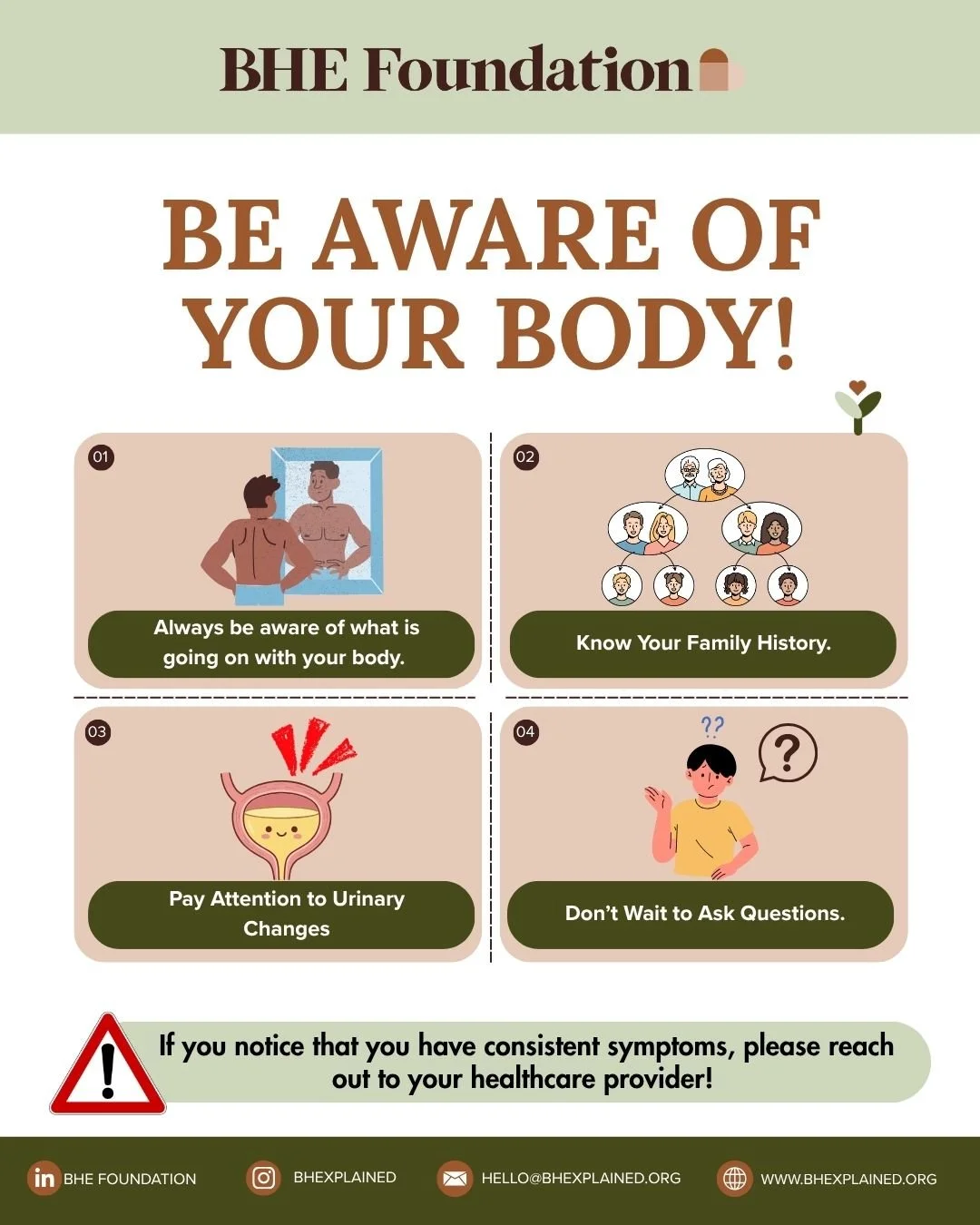
Be aware of your body. This is a reminder to always be aware of what is going on with your body. If you notice any of the symptoms above, please reach out to your healthcare provider. It will be beneficial for you to find out what’s going on sooner rather than later.


Conclusion
As we’ve mentioned before, knowledge is power. Having an understanding of these conditions (and their symptoms) can help take care of the Black men in our lives as they age. Or if you are a Black man, it can help you make informed decisions about your health and help you advocate for yourself if needed.
Sources:
Tips: How to Keep Your Prostate Healthy



Know Your Risk. Know Your Numbers. Know Your Options.
Prostate health is about more than waiting for symptoms to appear. Knowing your risk factors and having an informed conversation with a healthcare provider can help you make decisions about screening and treatment.
Men should talk with their healthcare provider about prostate cancer risk, particularly if they are older, have a family history of prostate cancer, or are Black.
Your prostate health is part of your overall health—and knowing what is normal for you can help you recognize when something has changed.