FACT: Millions of Women Have PMOS—And Many Don’t Know It
If you've heard of PCOS, you may have recently heard it referred to as PMOS.
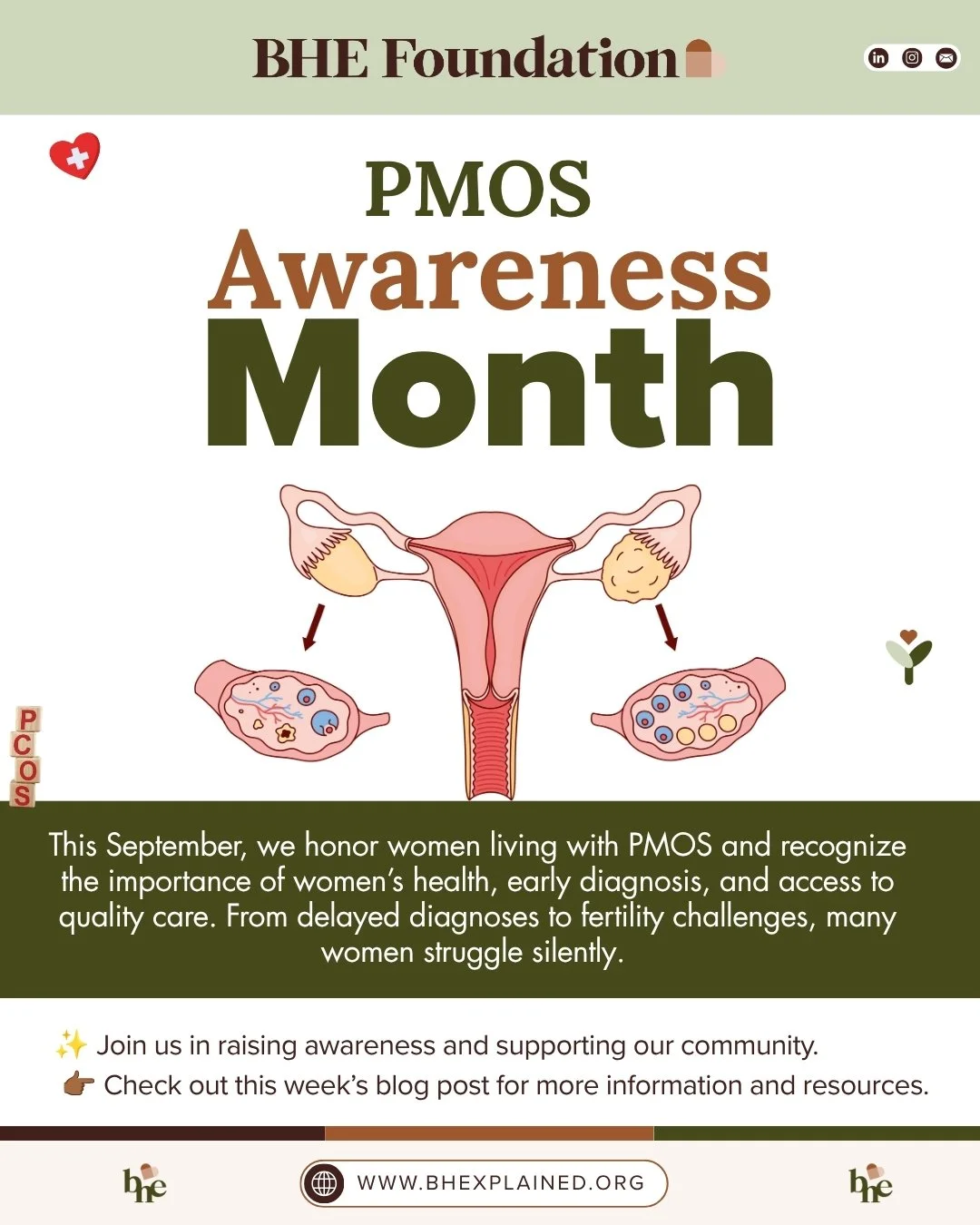
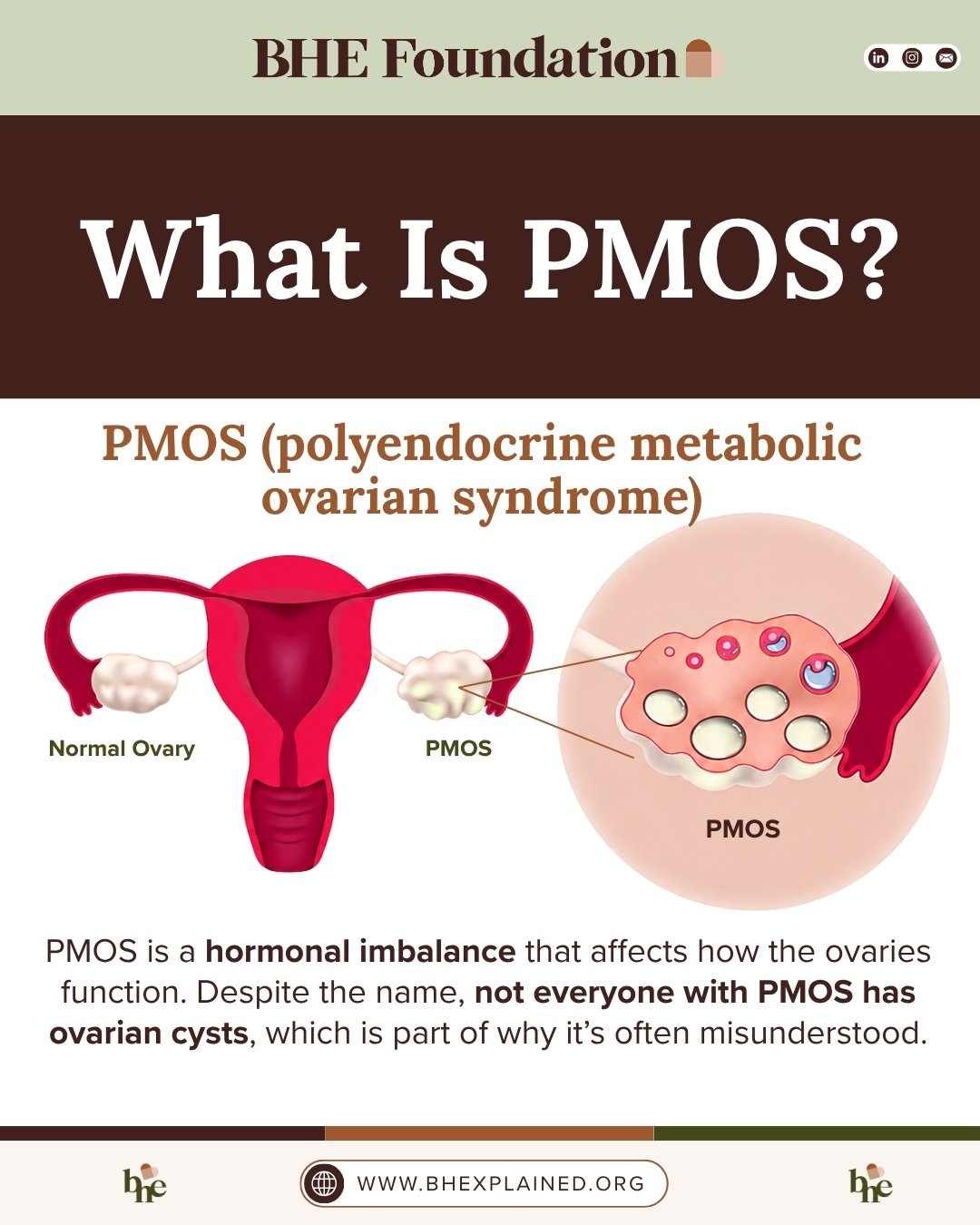
In May 2026, the condition formerly known as Polycystic Ovary Syndrome (PCOS) was officially renamed Polyendocrine Metabolic Ovarian Syndrome (PMOS).
The change wasn't simply about giving the condition a new label. It reflects a better understanding of what PMOS actually is.
For years, the name "polycystic ovary syndrome" made it sound like the condition was primarily about ovarian cysts. But PMOS is much more complex. It can affect hormones, metabolism, reproductive health, skin, weight, and mental health.
The new name is intended to better reflect the condition and reduce some of the confusion surrounding it. Major medical organizations, including the Endocrine Society and the American Society for Reproductive Medicine, have endorsed the name change.
And because the transition is still new, you may continue seeing PCOS in older medical records, websites, research articles, or conversations with healthcare providers.
PCOS and PMOS refer to the same condition.
But here's an important fact: You do NOT have to have ovarian cysts to have PMOS.
The condition involves a combination of endocrine, metabolic, and reproductive features. The international name-change process involved patient organizations, healthcare professionals, researchers, and people living with the condition. The goal was to create a name that better represented the condition's full impact.
PMOS stands for:
Polyendocrine – involving multiple hormone-related systems
Metabolic – involving processes such as metabolism and insulin regulation
Ovarian – involving ovarian function
Syndrome – a collection of signs and symptoms that occur together
The new name does not mean that PMOS is a completely different disease.
It is the new name for the condition previously called PCOS.
PMOS by the Numbers
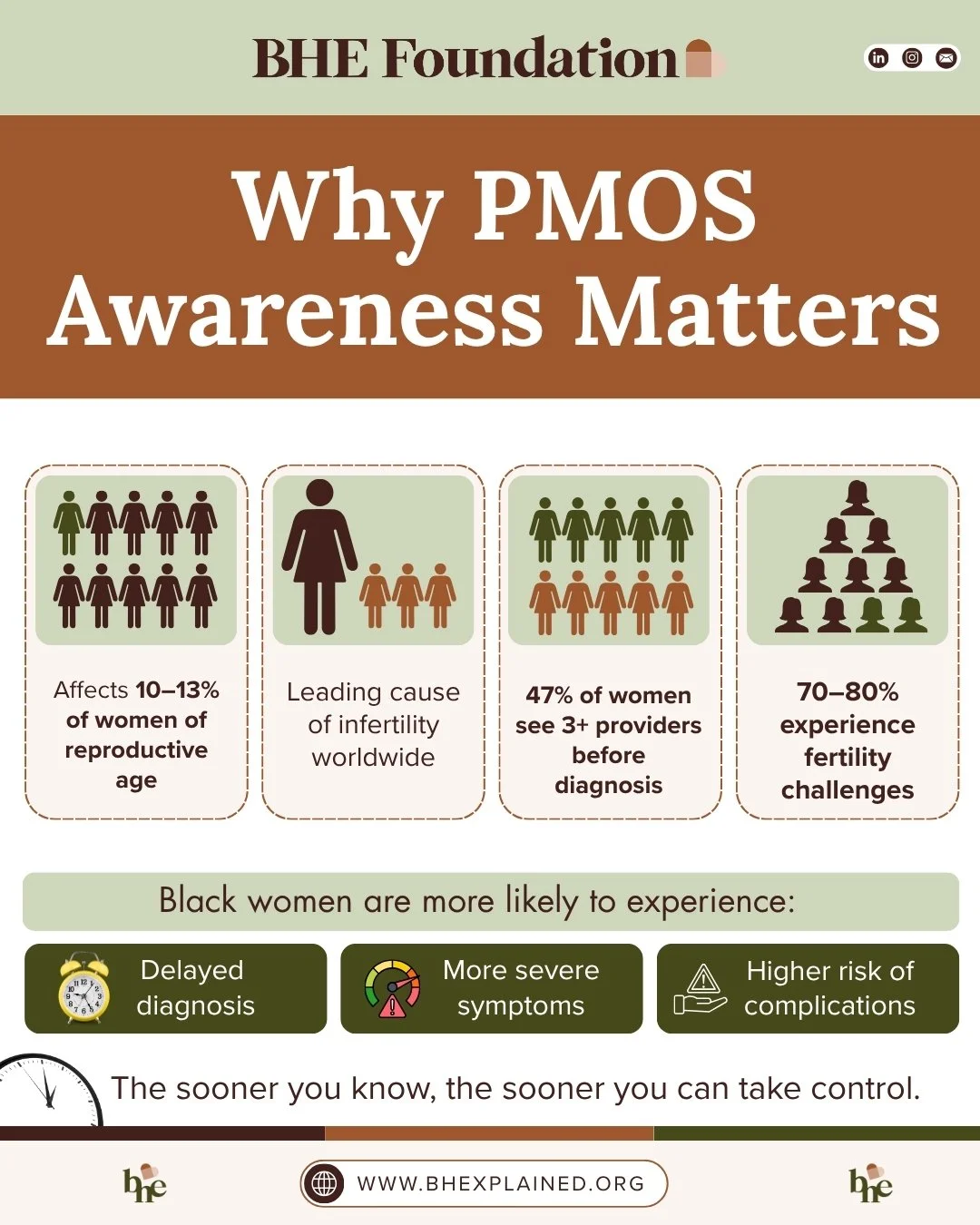
PMOS is one of the most common endocrine conditions affecting people of reproductive age. Current international estimates indicate that PMOS affects approximately 1 in 8 women, or more than 170 million women worldwide. Globally, PCOS affects an estimated 10-13% of reproductive-aged women, yet around 70% remain unaware of their diagnosis.
And many people may go years without receiving an accurate diagnosis. That matters because PMOS isn't simply about menstrual cycles or fertility.
It can have implications for:
Hormonal health
Metabolic health
Blood sugar regulation
Reproductive health
Skin and hair
Weight management
Cardiovascular health
Mental and emotional well-being
This is why understanding the condition—and knowing how to advocate for yourself—matters.
The Impact of PMOS on Black Women
Black women face unique challenges when it comes to PMOS, as they are often underdiagnosed and disproportionately affected by this condition. In addition to the common symptoms of PMOS, they encounter greater health risks that can complicate their lives, including higher rates of diabetes, uterine bleeding, cardiovascular diseases, and psychological issues such as depression and anxiety.
The statistics are startling: 47% of women consult three or more clinicians before receiving an accurate diagnosis of PMOS. This reflects the troubling reality that many Black women feel “invisible” within the healthcare system, experiencing healthcare gaslighting—where their symptoms and concerns are dismissed or misattributed.
Many women report their symptoms being overlooked or attributed solely to being overweight, their diet, or having diabetes.
Instead of addressing the multifaceted symptoms associated with PMOS or providing full evaluations, some healthcare providers have simply advised patients to lose weight, overlooking the underlying hormonal and metabolic issues at play. This glaring oversight can delay proper diagnosis and treatment, sometimes allowing the condition to worsen and lead to further health complications over time.
Healthcare providers may explain symptoms simply as being due to weight, diet, or diabetes, overlooking the nuanced hormonal and metabolic issues at play. This oversight can delay proper diagnosis and treatment, leading to compounded health issues.
This unfortunate reality drives home the importance of self-advocacy when it comes to your health. If you sense that something is off, don’t hesitate to seek a second or third opinion. Listen to your body. PMOS can have lasting effects on Black women, increasing the risk of developing further chronic illnesses and potentially impacting fertility. The stakes are high, and it's essential to push for the care and attention you deserve to safeguard your health and well-being.
Recognizing Symptoms of PMOS
PMOS can look different for everyone, which makes it harder to catch. Some people experience several symptoms. Others may have only a few. Awareness of the symptoms is crucial for early diagnosis.
Common signs include:
- Irregular or missed periods
- Acne or oily skin
- Weight gain, particularly around the belly
- Hirsutism (excessive body hair)
- Thinning hair or male-pattern baldness
- Dark patches of skin (hyperpigmentation)
- Enlarged ovaries with cysts visible through ultrasound
- High levels of androgens in blood tests
The variability in symptoms leads to many women remaining undiagnosed, emphasizing the importance of being proactive in seeking medical advice.
Diagnosis and Treatment Options
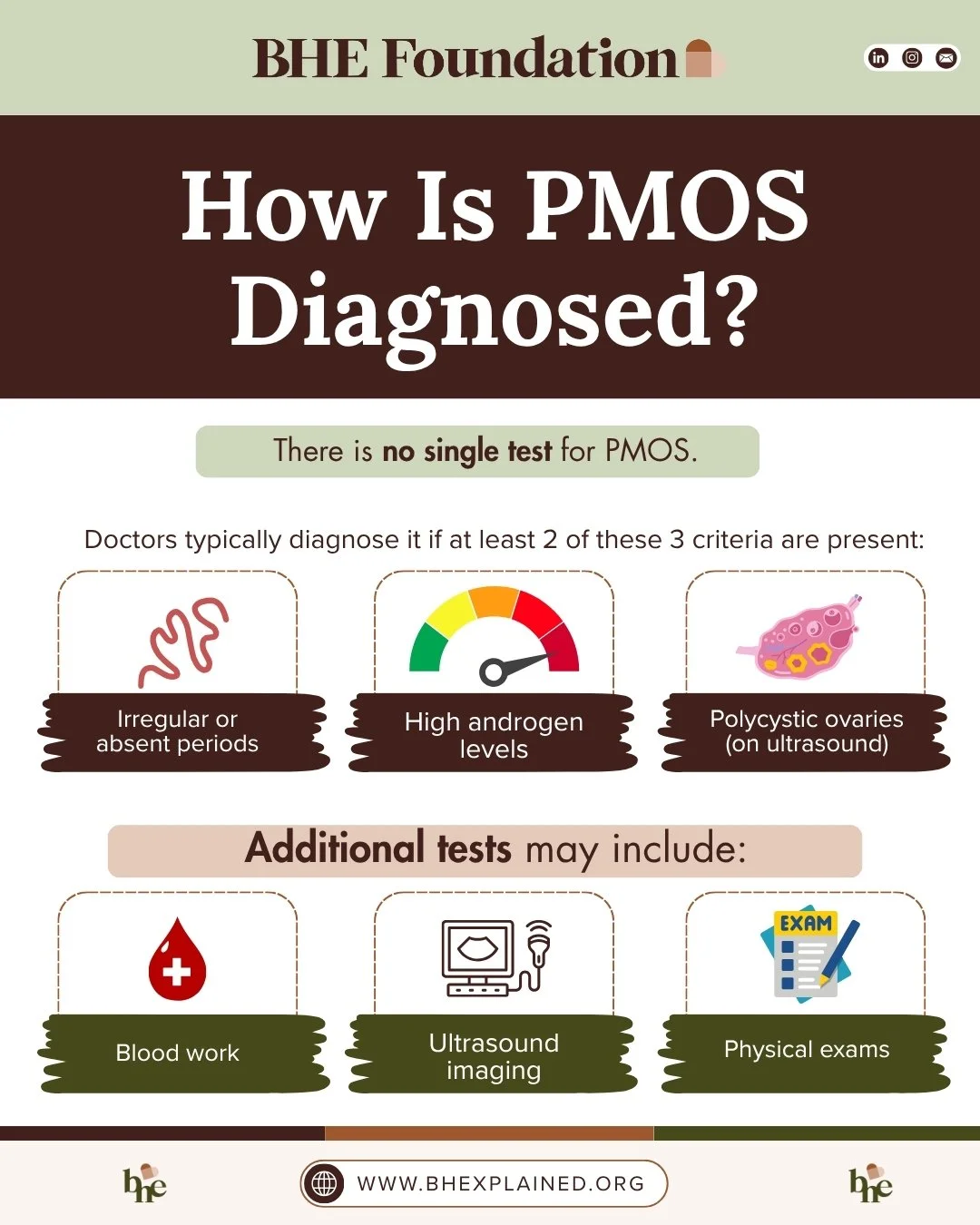
There is no single test for PMOS. Healthcare providers generally consider a person's symptoms, medical history, physical examination, laboratory testing, and other possible causes of those symptoms. A healthcare provider typically diagnoses it through differential diagnosis, confirming at least two criteria points.
For adults, the international evidence-based diagnostic framework generally considers three major features:
1. Ovulatory dysfunction
This can include irregular or infrequent menstrual cycles.
2. Hyperandrogenism
This means having elevated androgen levels on laboratory testing and/or clinical signs such as increased facial or body hair, acne, or scalp hair loss.
3. Polycystic ovarian morphology
This can be identified through ultrasound or, in appropriate circumstances, through anti-Müllerian hormone (AMH) testing.
Two of the three features may support a diagnosis after other causes have been excluded.
Importantly, if someone has both irregular menstrual cycles and hyperandrogenism, an ultrasound or AMH test may not be necessary to establish the diagnosis.
This is one reason the new PMOS terminology is important:
You do not need ovarian cysts to have PMOS.

PMOS Is More Than a Reproductive Health Condition
One of the biggest misconceptions about the condition formerly called PCOS is that it is only a fertility issue.
It isn't.
PMOS can involve several systems throughout the body.
People living with PMOS may have increased risks for metabolic conditions, including insulin resistance and type 2 diabetes, as well as other long-term health concerns.
Mental health matters, too.
Some people with PMOS experience anxiety, depression, body-image concerns, or emotional distress related to symptoms and the challenges of living with a chronic condition.
This is why comprehensive care matters.
Your reproductive health is important—but so is your overall health.
Treatment Strategies: There Is No One-Size-Fits-All Approach
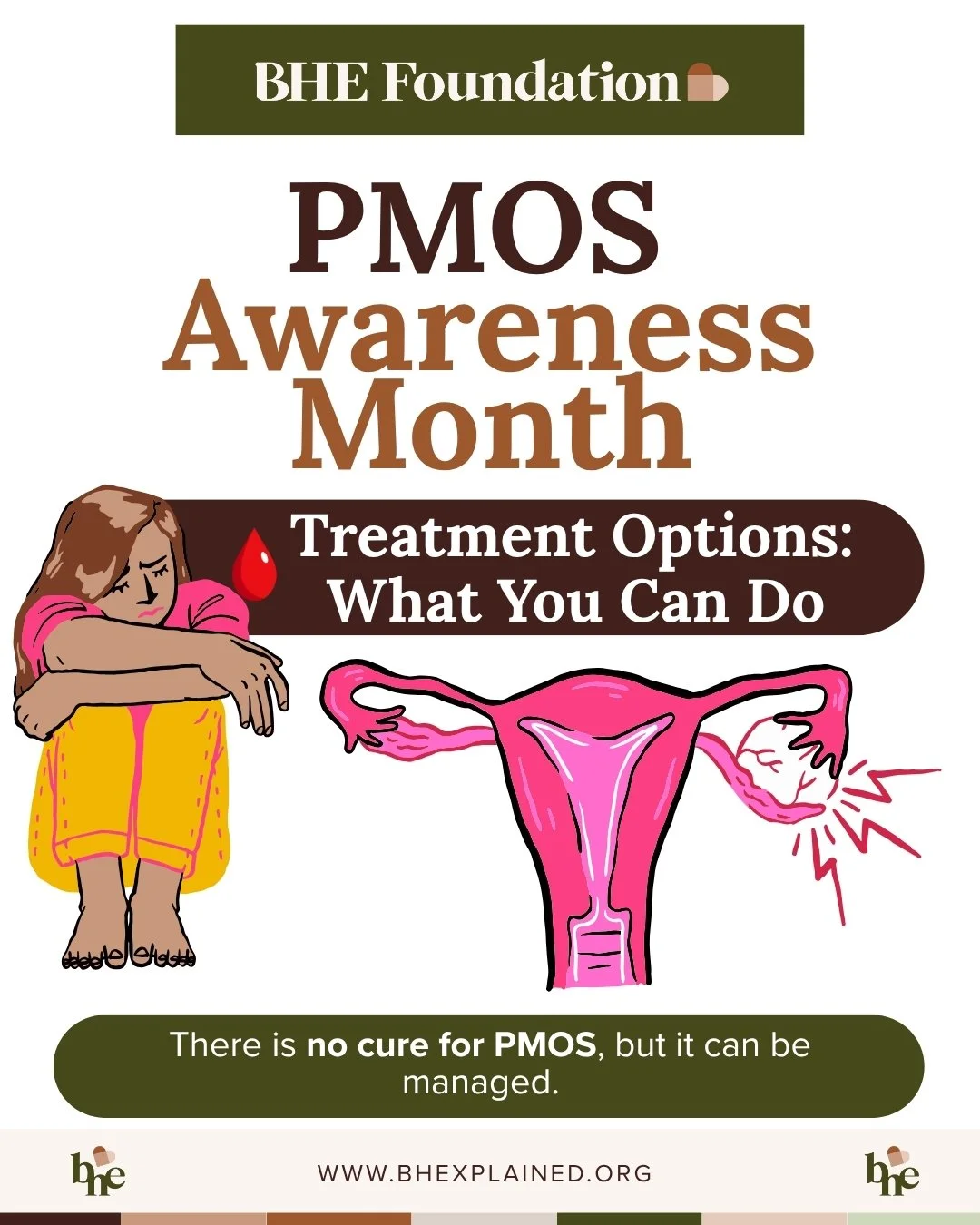
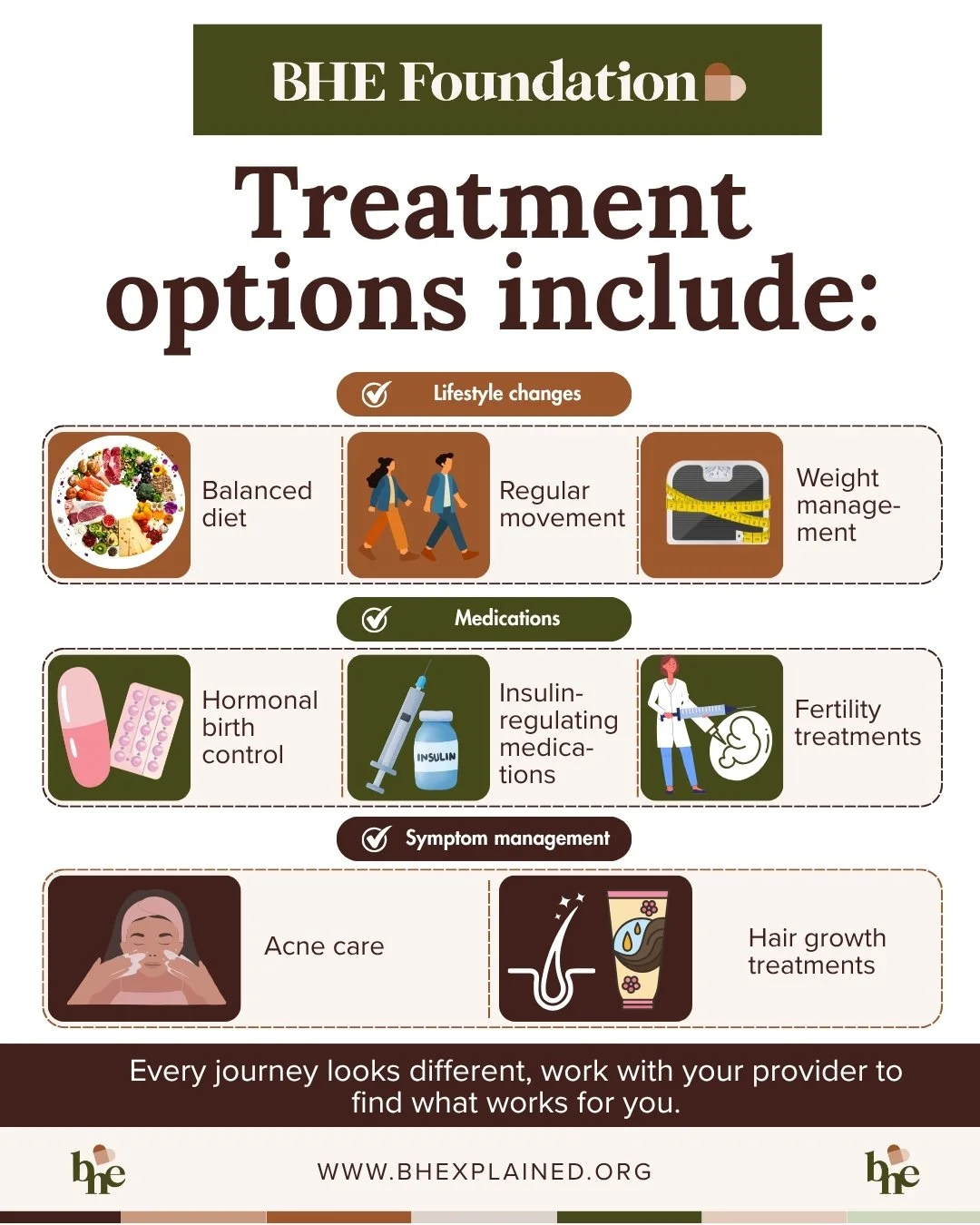
While there is no cure for PMOS, it can be effectively managed. Treatment options depend on your individual symptoms and goals, especially concerning fertility. Timely diagnosis and treatment are crucial to prevent long-term complications.
Treatment depends on:
Your symptoms
Your overall health
Your menstrual cycle
Your metabolic health
Whether you are trying to become pregnant
Your personal preferences
Your medical history
A treatment plan that works for one person may not be the right choice for someone else.
Common strategies include:
Hormonal Birth Control: Helps regulate menstrual cycles and manage symptoms associated with high androgen levels.
- Medications: Insulin-sensitizing medications can lower insulin levels, which may help alleviate symptoms.
- Lifestyle Changes: A healthy diet and physical activity can significantly improve symptoms, support weight management, and enhance insulin sensitivity.
- Vitamin D Supplements: Consult your doctor about whether you need additional vitamin D, which can be beneficial for those with PMOS.

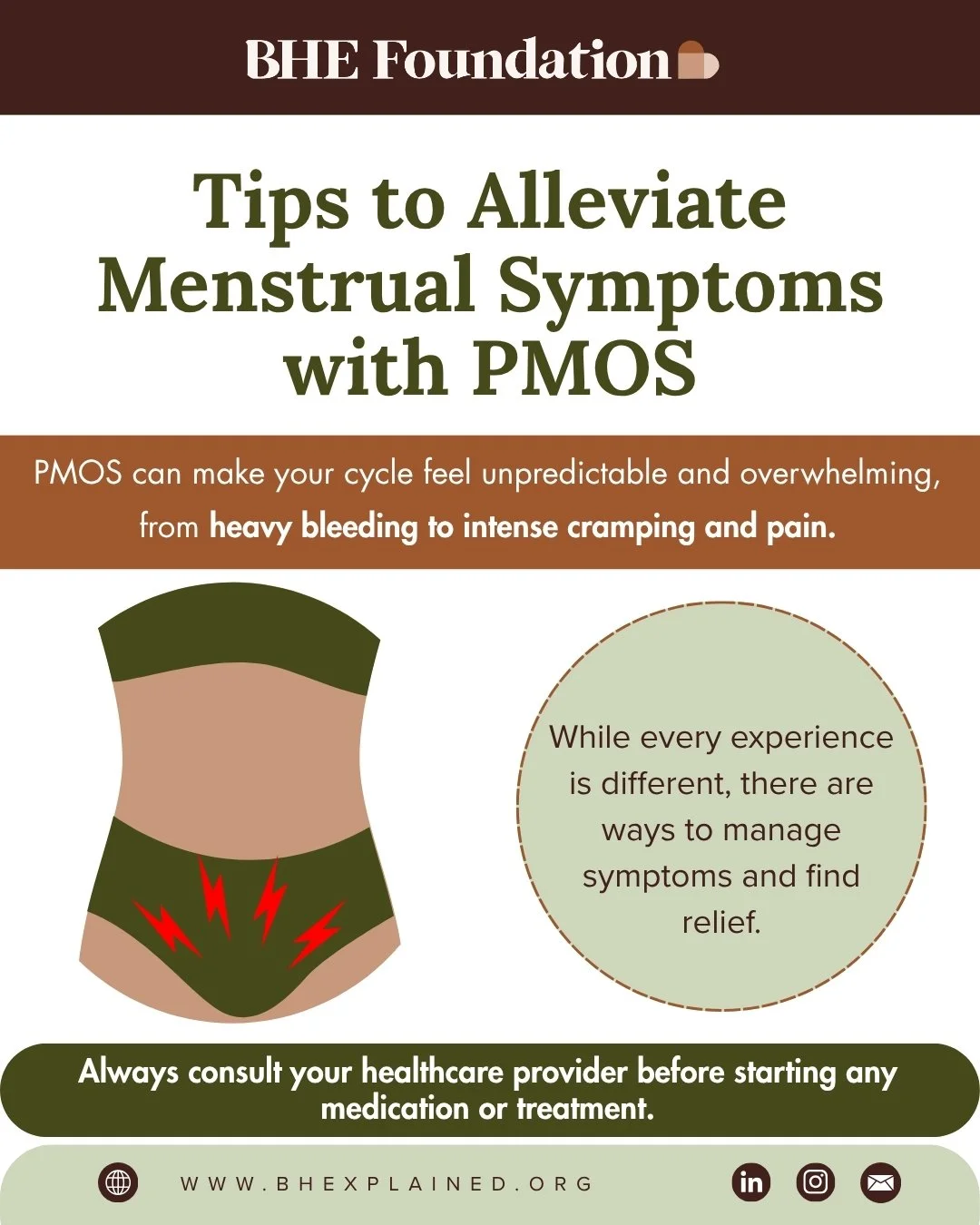
Tips to Alleviate Menstrual Symptoms with PMOS
PMOS can make your menstrual cycle feel unpredictable and overwhelming—from heavy bleeding to intense cramping and pain. While experiences vary, here are effective strategies to manage symptoms and find relief.
👉 Always consult your healthcare provider before starting any medication or treatment.
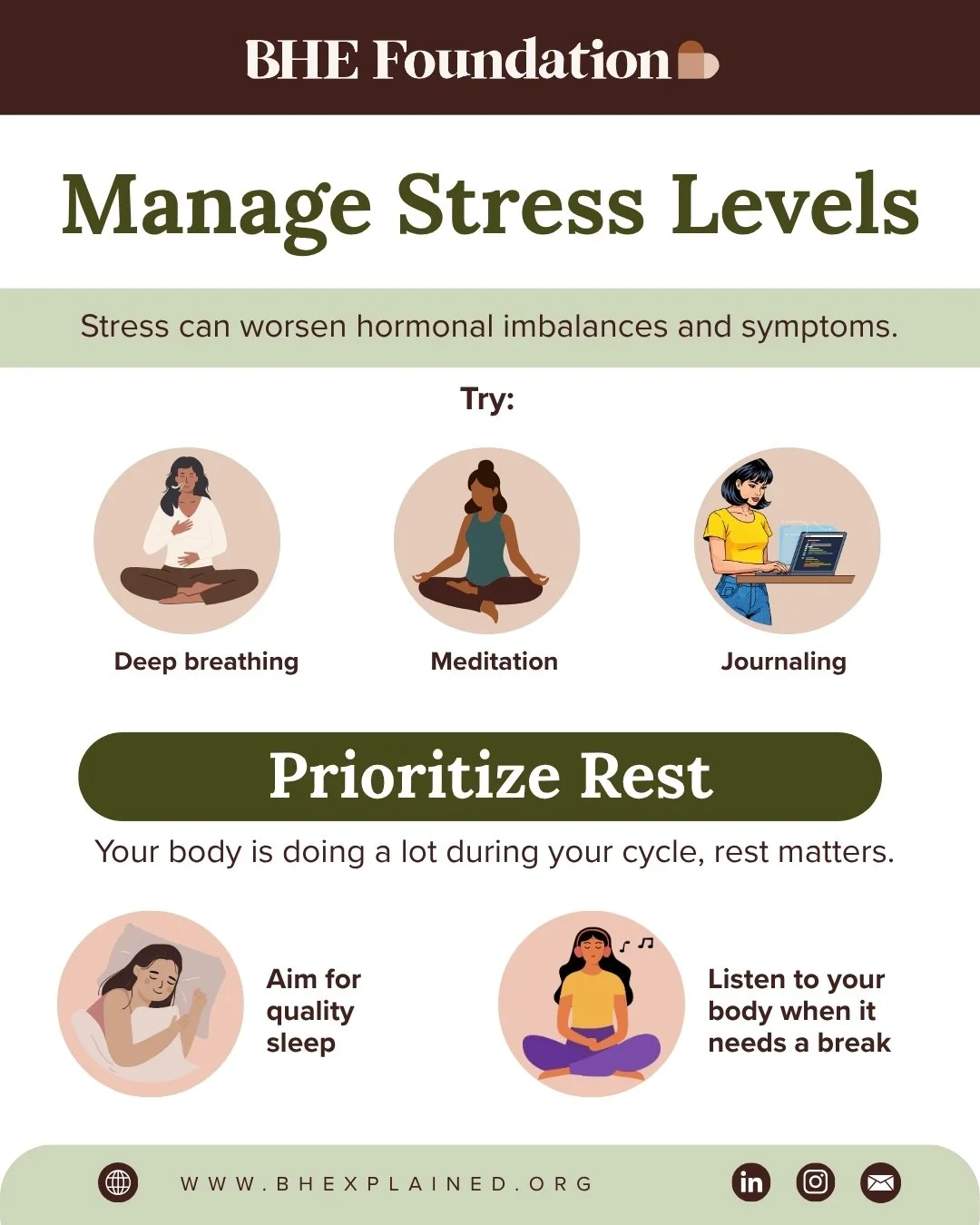
🧘🏾♀️ 5. Manage Stress Levels
Stress can worsen hormonal imbalances and symptoms.
Try:
Deep breathing
Meditation
Journaling
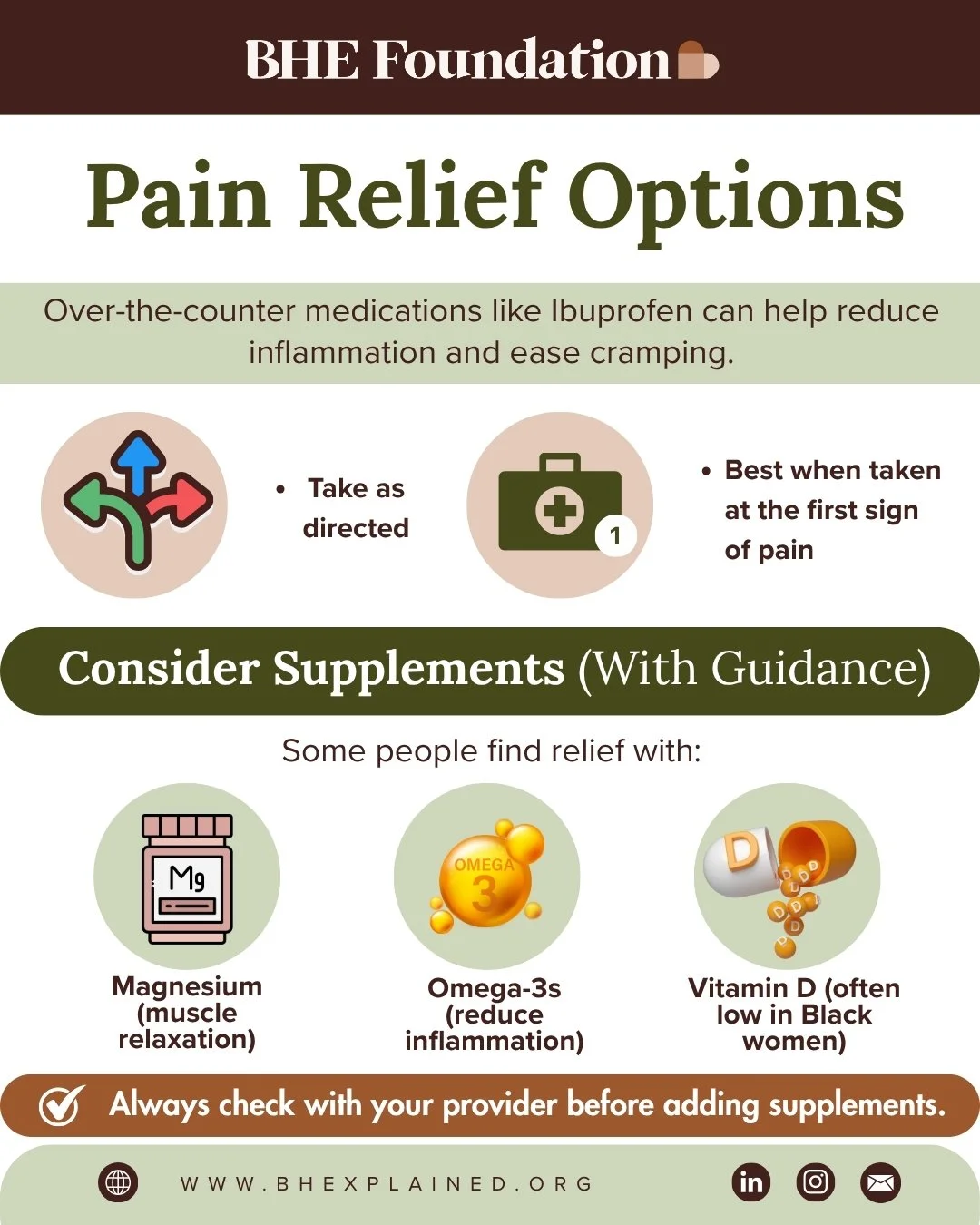
🌿 6. Consider Supplements (With Guidance)
Some people find relief with:
Magnesium (muscle relaxation)
Omega-3s (reduce inflammation)
Vitamin D (often low in Black women)
👉 Always check with your provider before adding supplements.
🛌 7. Prioritize Rest
Your body is doing a lot during your cycle—rest matters.
Aim for quality sleep
Listen to your body when it needs a break
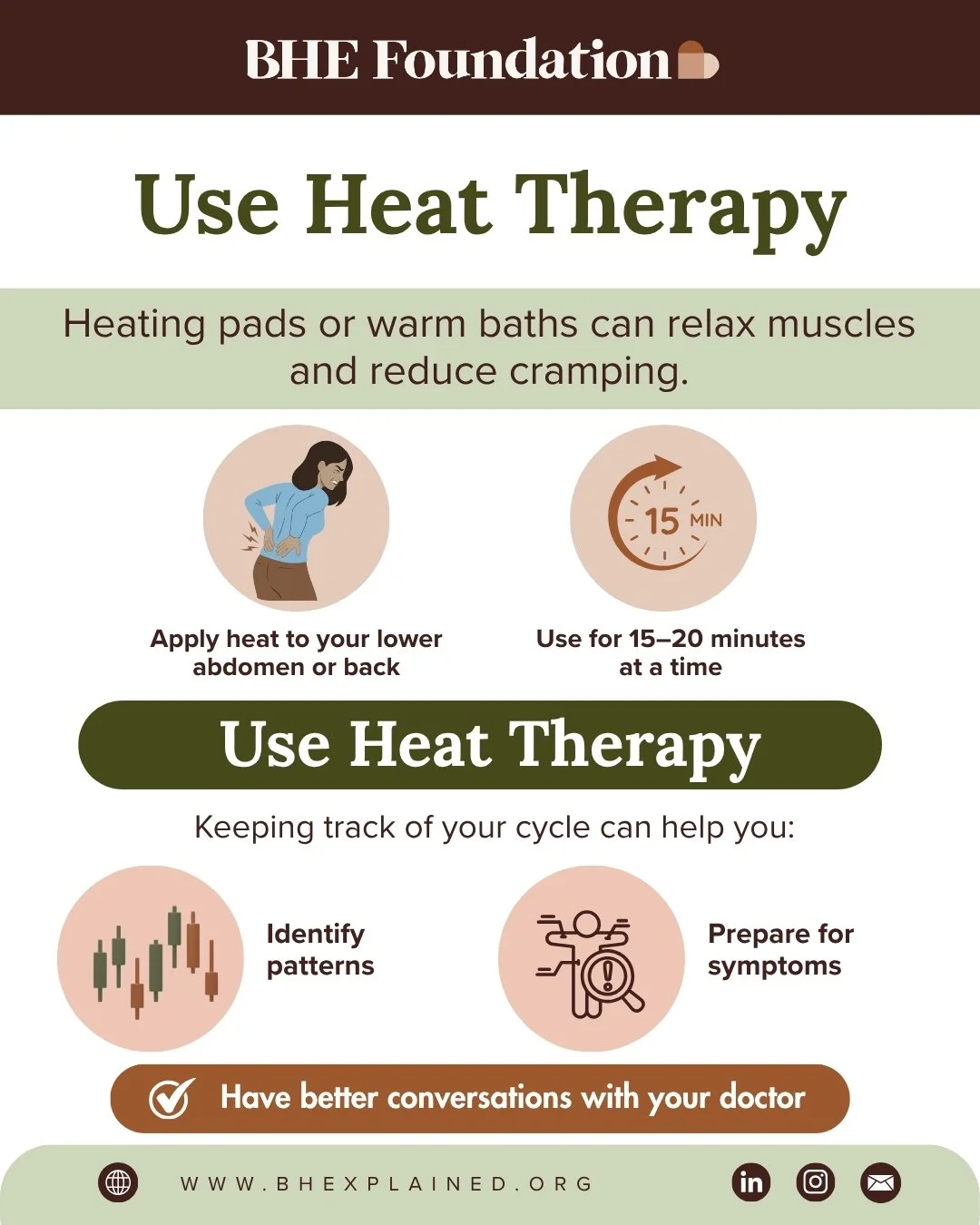
🩺 8. Track Your Symptoms
Keeping track of your cycle can help you:
Identify patterns
Prepare for symptoms
Have better conversations with your doctor
💊 1. Pain Relief Options
Over-the-counter medications like Ibuprofen can help reduce inflammation and ease cramping.
Take as directed
Best when taken at the first sign of pain
🌡️ 2. Use Heat Therapy
Heating pads or warm baths can relax muscles and reduce cramping.
Apply heat to your lower abdomen or back
Use for 15–20 minutes at a time
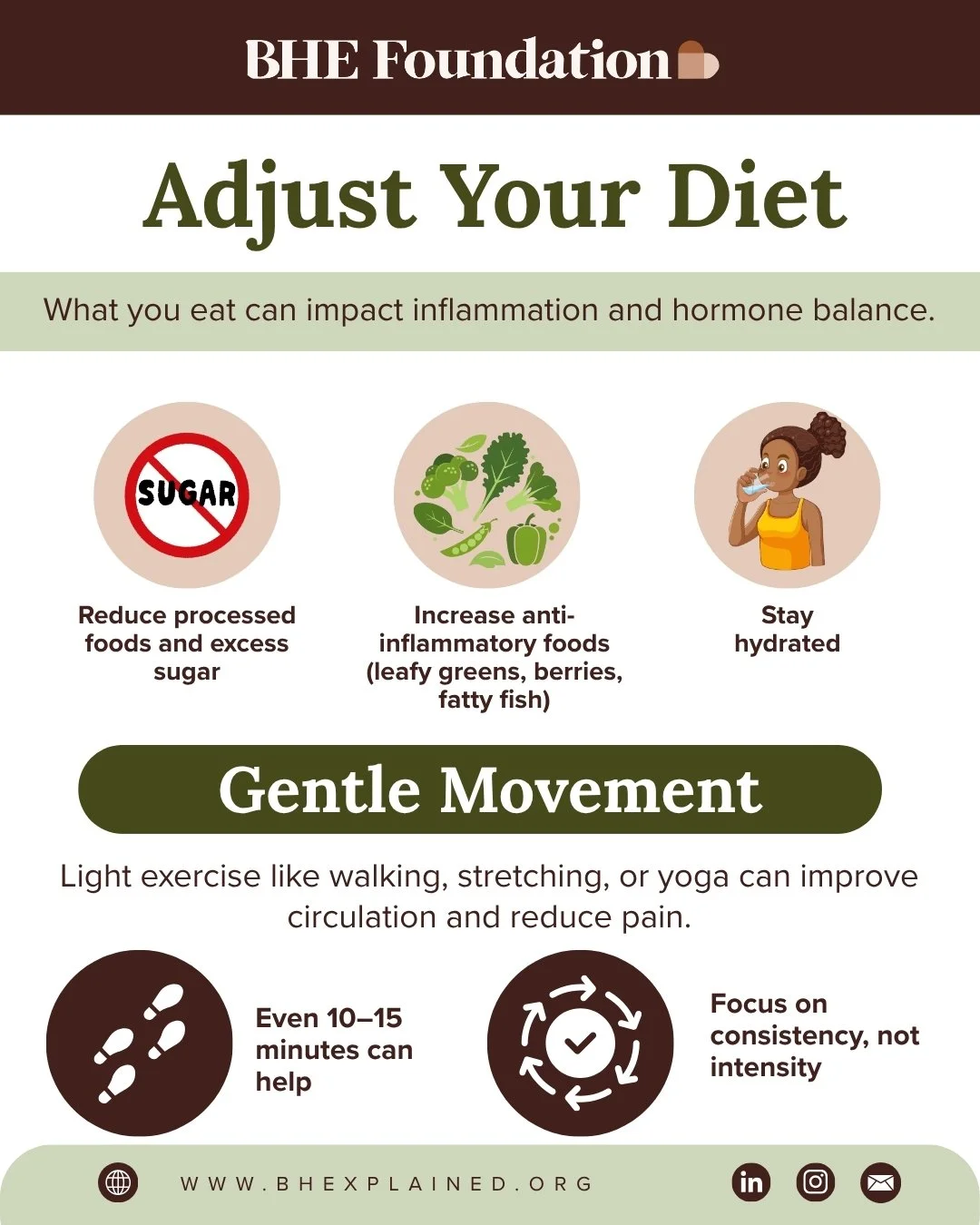
🥗 3. Adjust Your Diet
What you eat can impact inflammation and hormone balance.
Try to:
Reduce processed foods and excess sugar
Increase anti-inflammatory foods (leafy greens, berries, fatty fish)
Stay hydrated
🚶🏾♀️ 4. Gentle Movement
Light exercise like walking, stretching, or yoga can improve circulation and reduce pain.
Even 10–15 minutes can help
Focus on consistency, not intensity
Managing Acne and Excess Hair
Androgen-related symptoms can be frustrating, especially when they affect your confidence.
Depending on your situation, treatment may include:
Hormonal contraception
Anti-androgen medications
Prescription acne treatments
Hair-removal methods
Dermatology care
Improvement may take time.
If these symptoms are affecting your confidence or quality of life, tell your healthcare provider.
You don't have to simply "live with it."
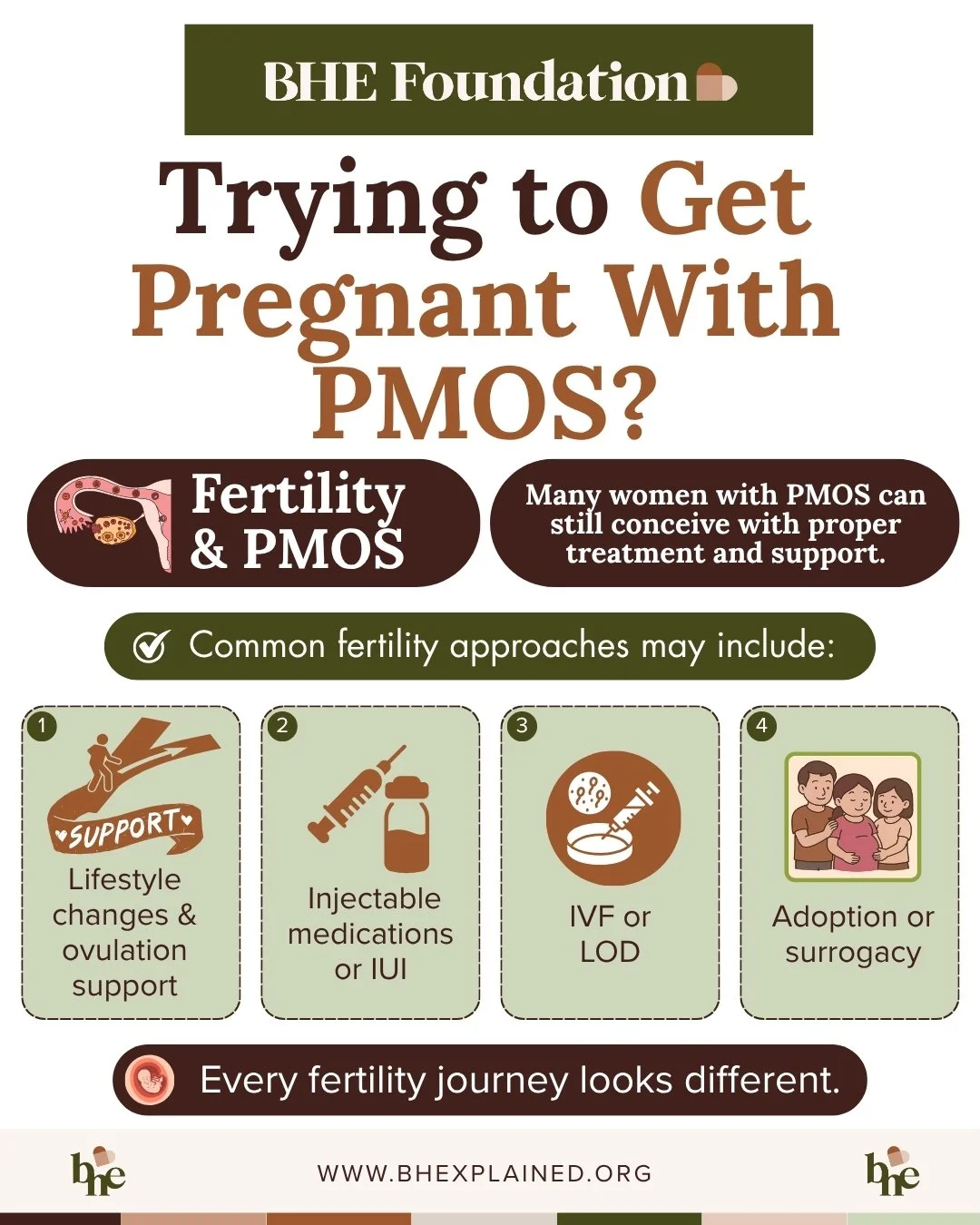
A PMOS diagnosis does not mean you cannot become pregnant.
Many people with PMOS are able to conceive, although some experience difficulty because of irregular or absent ovulation.
If you're trying to become pregnant, talk with an OB-GYN, reproductive endocrinologist, or other qualified fertility professional.
Treatment may include:
1. Ovulation Induction
Medications may be used to help stimulate ovulation.
Letrozole is commonly recommended as a first-line pharmacologic treatment for ovulation induction in people with PMOS-related anovulatory infertility who have no other infertility factors.
2. Injectable Fertility Medications
If oral medications are unsuccessful or inappropriate, injectable gonadotropins may be considered under specialist supervision.
3. IUI
Intrauterine insemination may be considered in certain fertility situations.
4. IVF
In vitro fertilization may be appropriate depending on the individual's fertility history and other factors.
Other family-building options, including adoption or surrogacy, may also be considered.
Your fertility journey is personal. There is no single "right" path to parenthood.
Conclusion
Polycystic ovary syndrome is a complex condition that disproportionately impacts Black women, affecting not only reproductive health but overall well-being. By understanding the symptoms, pursuing timely diagnosis, and exploring treatment options, you can take charge of your health. This PMOS Awareness Month, let’s empower ourselves and our loved ones with the knowledge needed to address PMCOS head-on.
Polycystic Ovary Syndrome is a multifaceted condition that disproportionately impacts Black women, affecting not only reproductive health but their overall well-being. By recognizing symptoms, pursuing timely diagnosis, and exploring treatment options, you can take charge of your health. This PMOS Awareness Month, let’s empower ourselves and each other with the knowledge and resources needed to tackle PMOS head-on.
For more insights on health literacy, wellness tips, and community support, follow us on Instagram and stay tuned for more informative posts! Together, we can elevate health awareness and advocate for our well-being.