Immunizations
Vaccines are a preventive health measure that helps build the body’s immune system. In this blog, we discuss how vaccines work to protect our communities and us. Not sure what vaccines you should have by now as an adult? We talk about that as well!
Vaccines help to prevent the spread of illnesses in our communities. They came into the spotlight with the COVID-19 pandemic, but have been keeping us safe long before that. Every year, people get flu vaccines in the fall. Kids are getting vaccines as they start school. It’s easy to think you’re done with vaccines since you're an adult, but that is not the case. Before we get into what vaccines you have as an adult, let’s start with the science.
How Do Vaccines Work?
There are various kinds of germs in our environment and within our bodies. When we come into harmful germs (also known as pathogens), it causes us to be sick. Once we are exposed to pathogens, our body’s immune system is engaged.
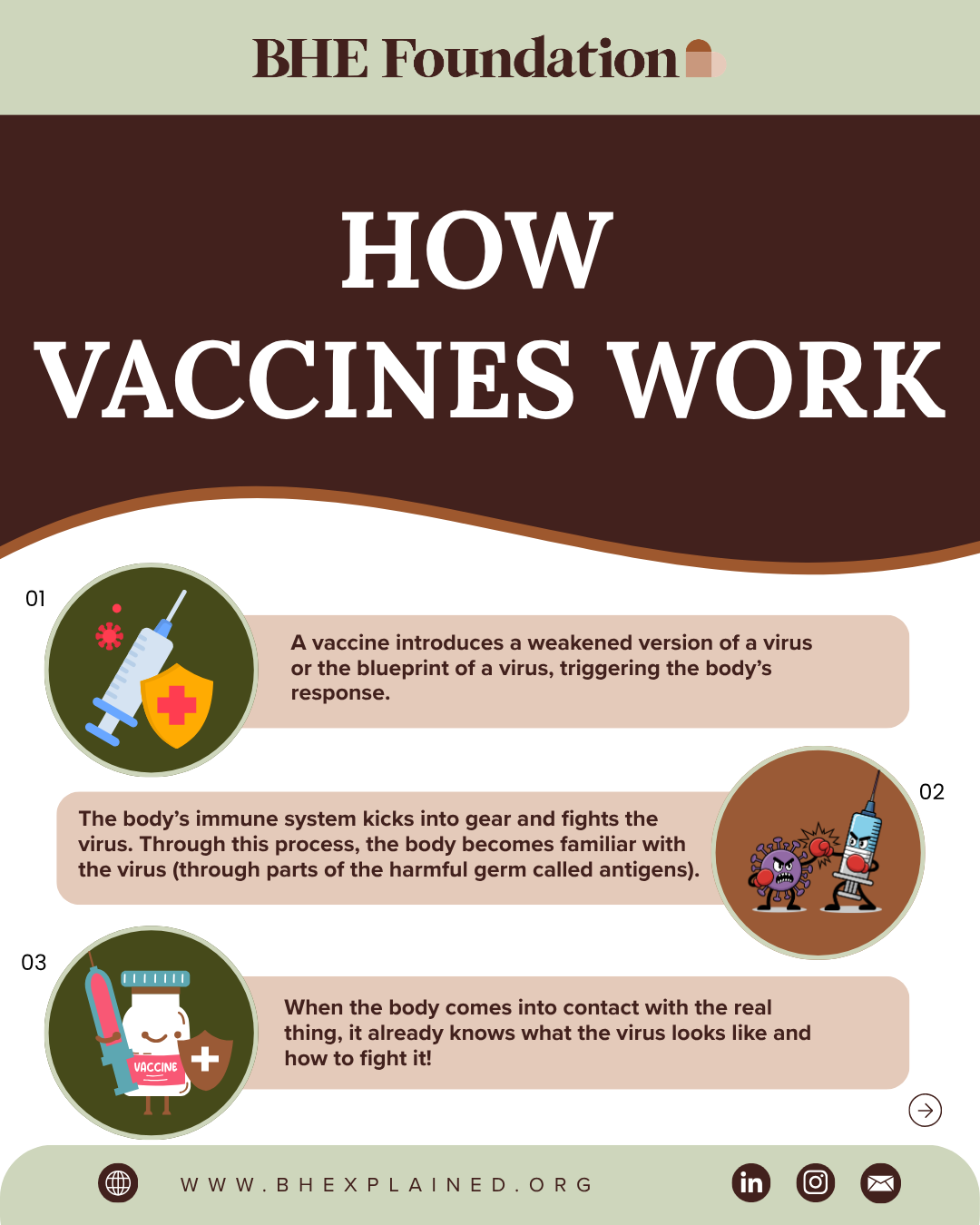
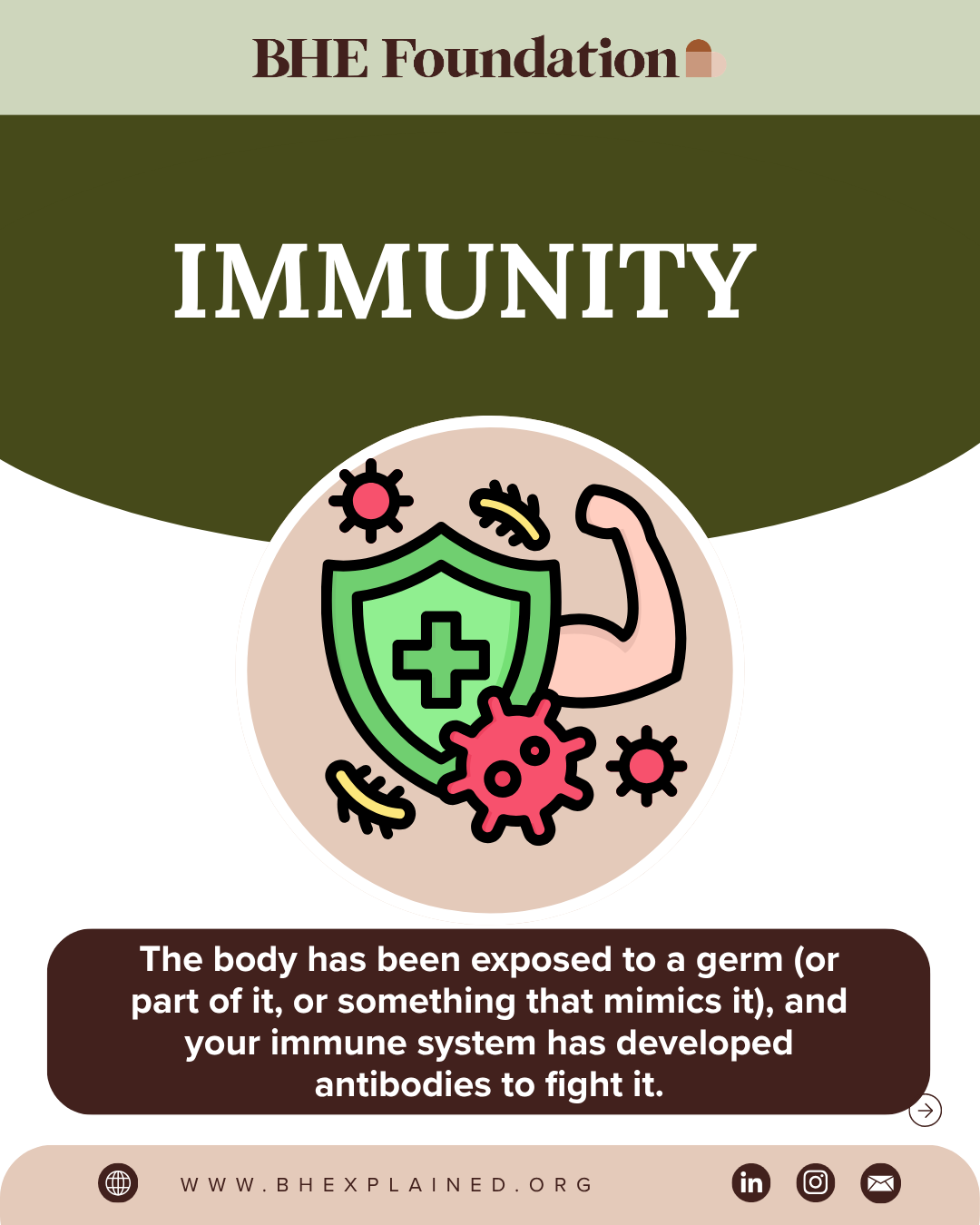
Our bodies send out antibodies to get rid of the pathogen, along with the rest of the immune system. However, the antibodies must be able to recognize the pathogen through an antigen (part of the pathogen). Antibodies are sent out for specific antigens, but it takes awhile for the immune system some time to make these antigen-specific antibodies when the body is exposed to it for the first time. And that’s where vaccines come in!
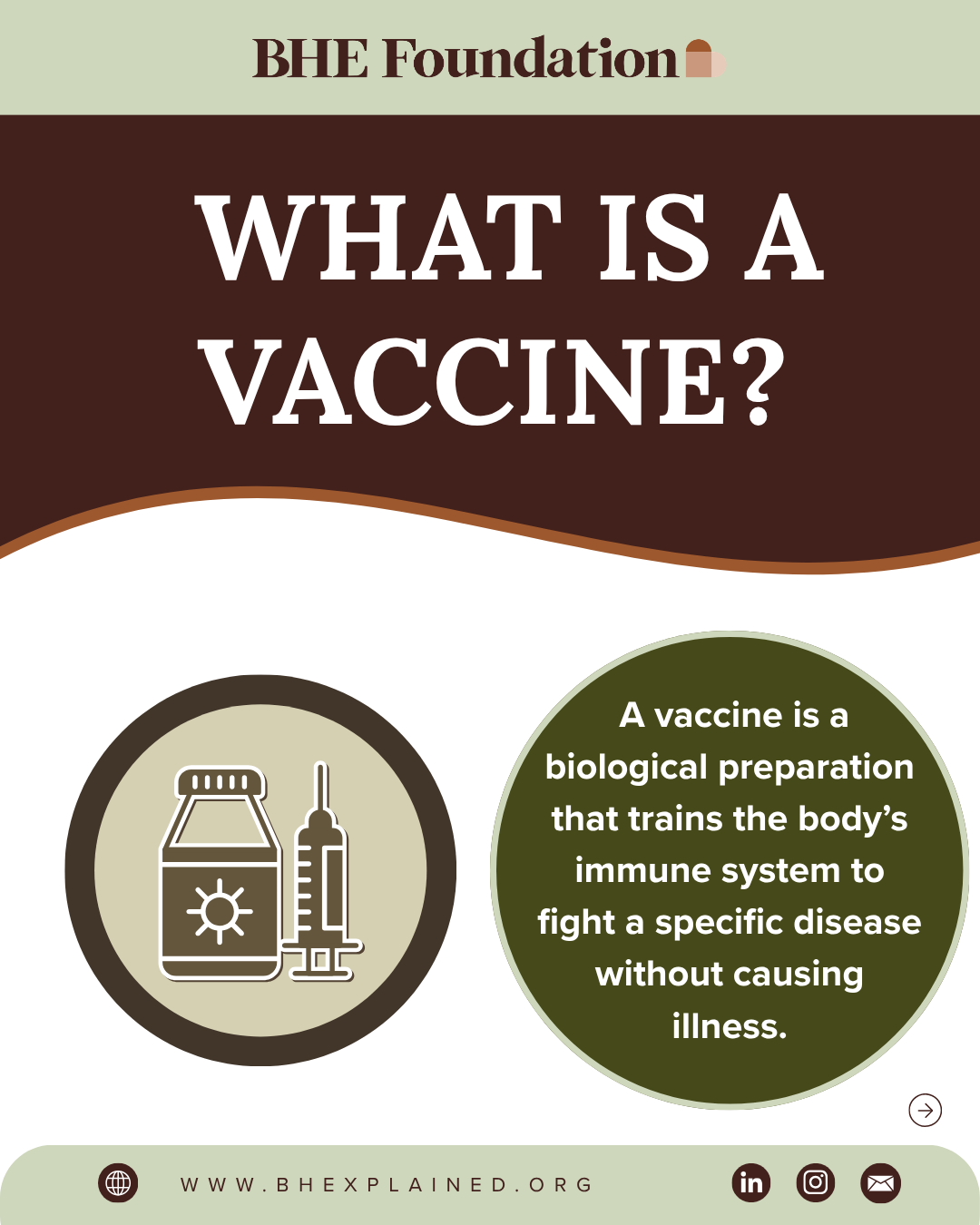
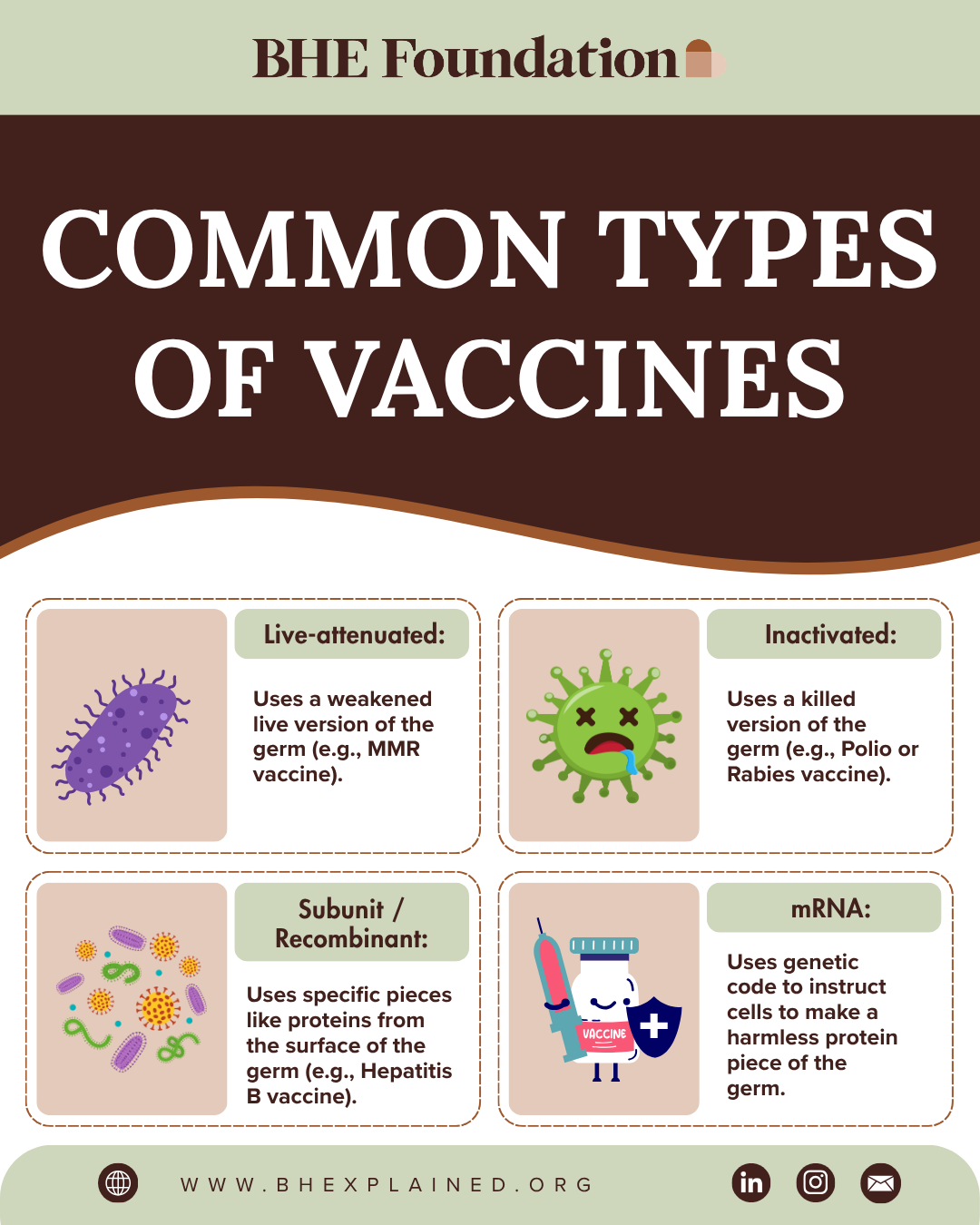
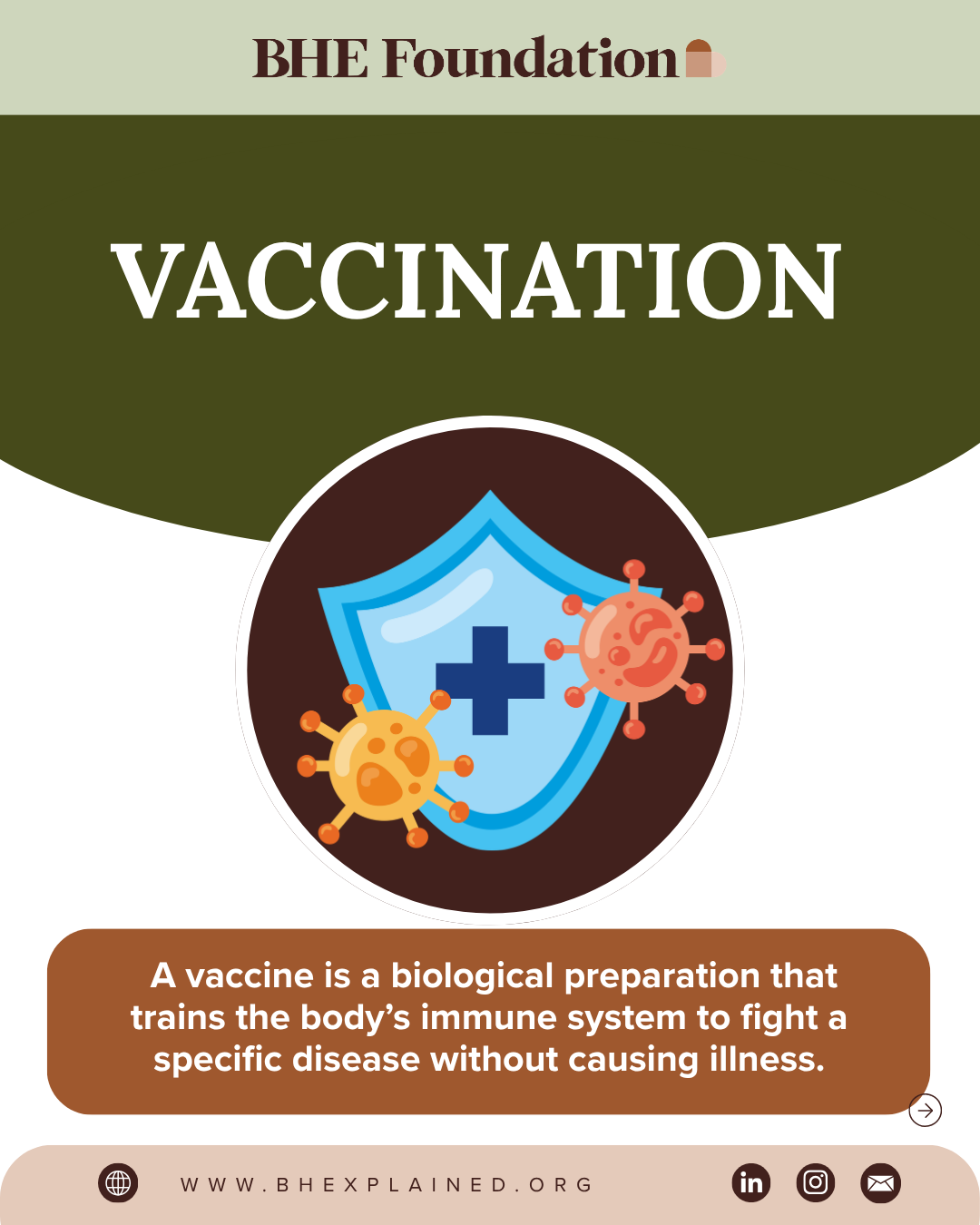
Vaccines are made of weakened or inactive antigens to trigger a response from the immune system. Newer vaccines contain the blueprint to produce antigens, instead of the antigen itself. But regardless, this exposure causes the immune system to respond as if it were exposed to the actual pathogen that causes an illness.
For example, most people receive the chickenpox vaccine as a baby and receive a booster shot around 4 to 6 years old. The chickenpox vaccine helps their body learn to recognize the pathogen that causes chickenpox and how to fight it. In the future, if someone who was vaccinated for chickenpox comes into contact with it, their body will immediately go: “This is chickenpox, I need to send out the chickenpox antibodies” because the body already knows what to look for. The immune system's response to the chickenpox exposure will be faster because it has already been exposed to it before.
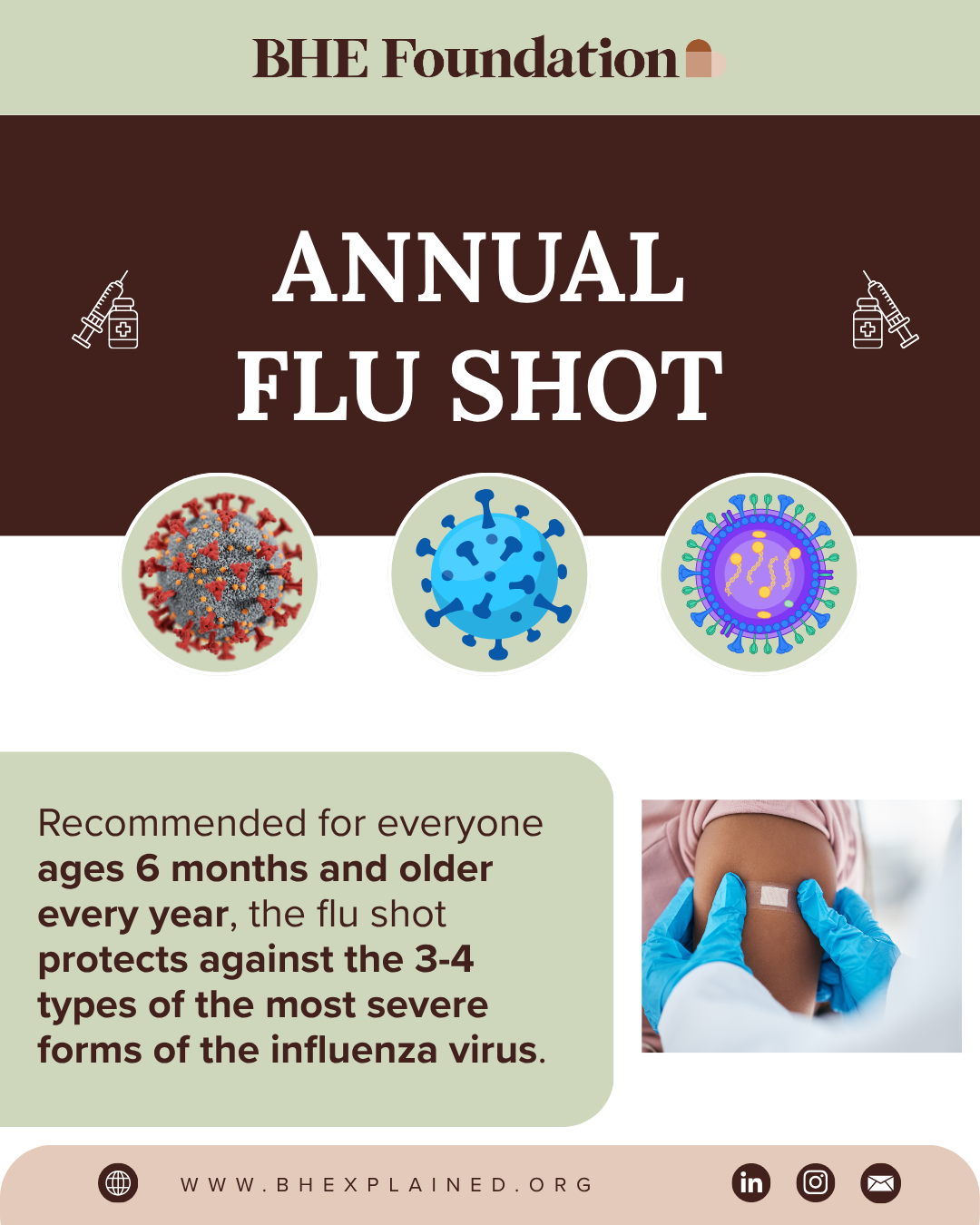
Note: In some cases, someone can still get sick after getting vaccinated. Some vaccines only prevent the most severe form of a disease. An example of this would be the flu vaccine. Even if someone gets the flu vaccine, it’s to prevent the 3 most severe versions of the virus, so someone could still get the flu.
Why Is It Important to Get Vaccinated?
Getting vaccinated not only protects you, but also protects the people around you. Some people cannot get vaccinated because they may have certain health conditions (such as cancer or HIV) or have allergies to elements of the vaccine. But these individuals can be protected through herd immunity. Herd immunity happens when a lot of people in a community get vaccinated, making it harder for the pathogen to make people sick and then spread from person to person. So the more people who get vaccinated, the less likely those who were unable to get vaccinated are to be exposed to the pathogen.
What Vaccines Should You Have?Let’s talk about what vaccines you should be up to date on as an adult.
Tdap Booster
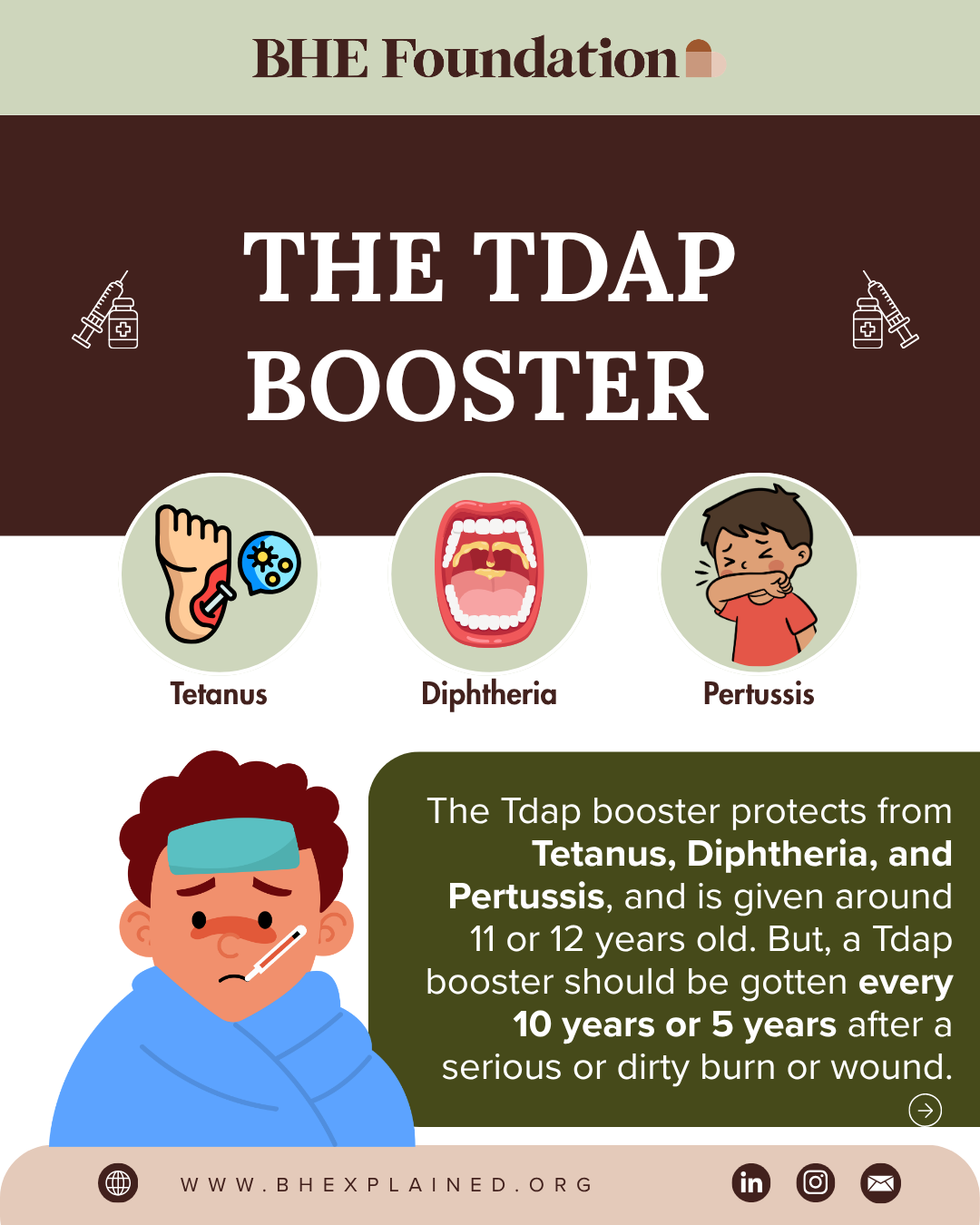
The Tdap vaccine protects from 3 types of illnesses: Tetanus, Diphtheria, and Pertussis (also known as whooping cough). The vaccine is typically given at 11 or 12 years old, but you should get a Tdap booster (or a Td booster, which protects against tetanus and diphtheria) every 10 years. If you’ve had a case of a severe or dirty wound or burn, you should get the Tdap (or Td) booster every 5 years afterwards. Don’t want to schedule multiple appointments to get different vaccines? No worries, you can get the Tdap booster with other vaccines.
Are you pregnant? It’s recommended to get a dose of the Tdap during every pregnancy around the early part of the third trimester. Being vaccinated for Tdap during pregnancy helps to protect babies from pertussis (whooping cough) and life-threatening complications from contracting it.
Flu Vaccine
The flu (influenza) vaccine reduces the risk of flu-related illnesses and potential serious complications from the virus. It’s recommended that everyone 6 months and older get the vaccine around September and October each year. Flu viruses mutate (change) each season, so think of the flu vaccine as a seasonal software update to keep the body alert for what it needs to respond to.
The HPV Vaccine
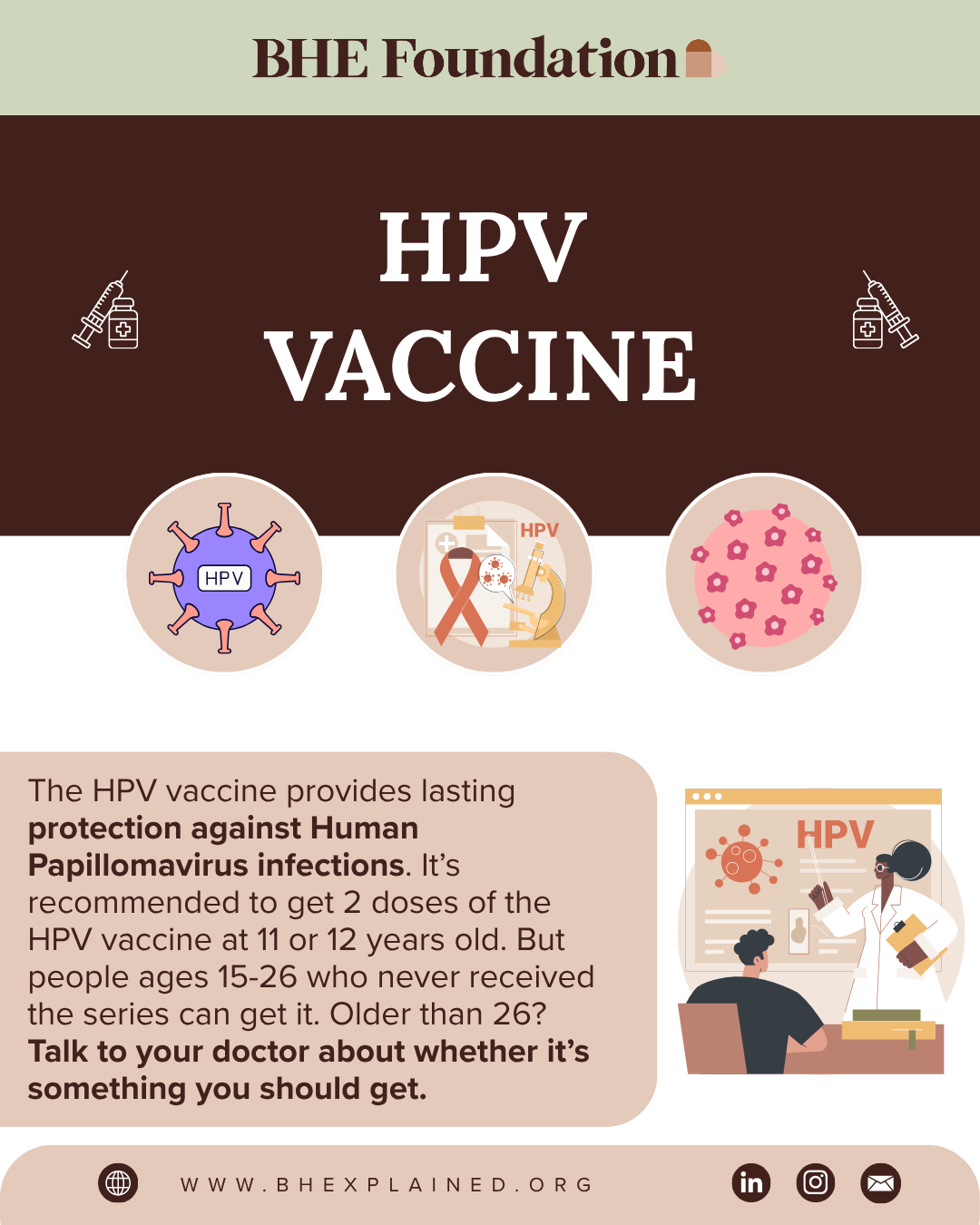
The HPV vaccine provides lasting protection against Human Papillomavirus (HPV) infections. Lasting HPV infections can cause cancers of the cervix, vagina, vulva, penis, anus, and back of the throat. It’s recommended to get 2 doses of the HPV vaccine at 11 or 12 years old. But, people ages 15-26 who never received the 2-dose series will receive 3 doses of the vaccine over 6 months.
Adults ages 27-45 can receive the HPV vaccine, but it is important to discuss with their doctor about the risk of new HPV infections and the possible benefits of vaccination.
Hepatitis B Vaccine
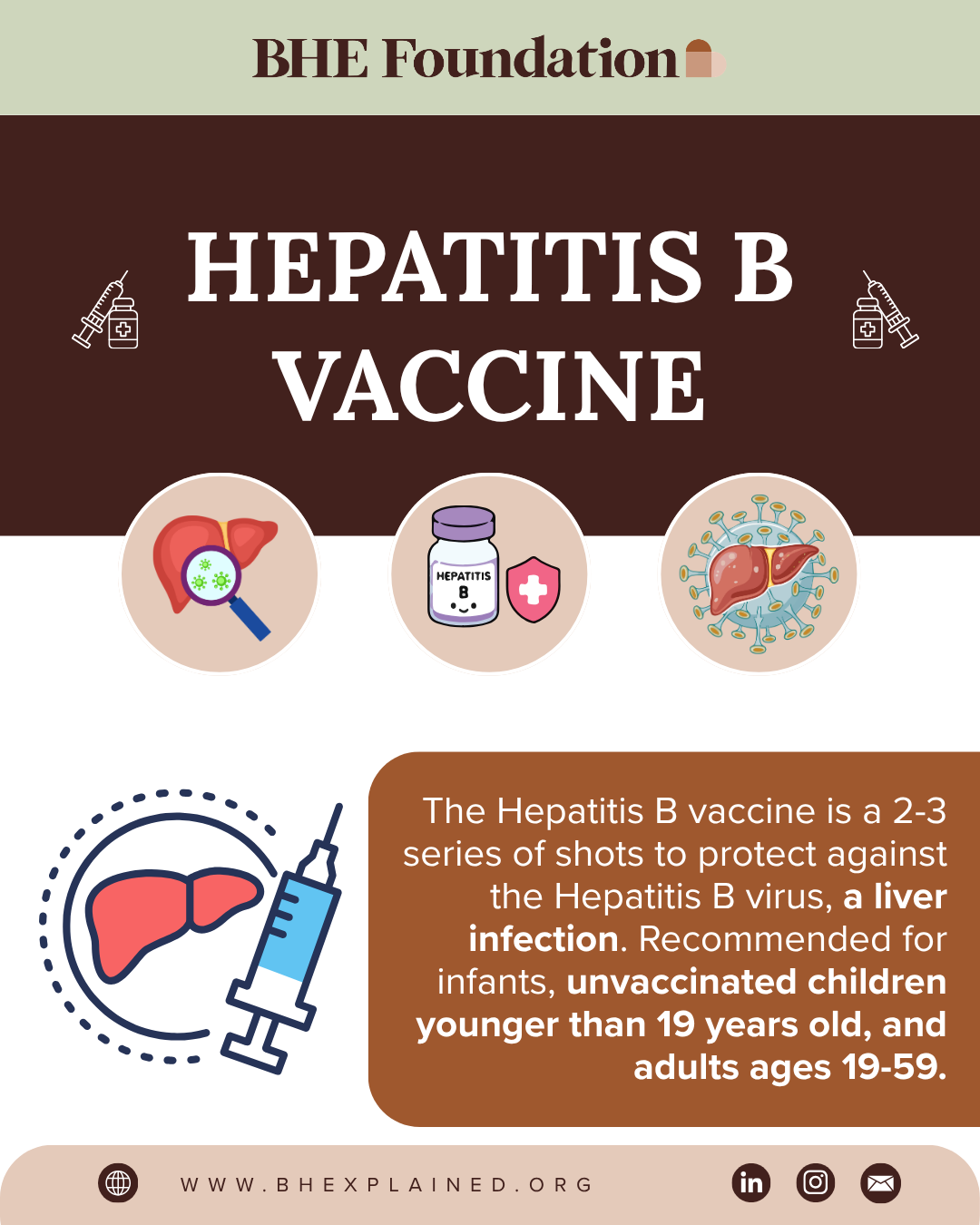
Hepatitis B is a liver disease damaging the liver and causes symptoms such as jaundice (yellow skin or eyes), pain in muscles, fever, and fatigue. Black Americans have higher rates of chronic Hepatitis B, with Black Americans having 56 percent more new cases of chronic Hepatitis B in 2023. The Hepatitis B Vaccine is the primary defense against the disease; most people who receive the vaccine are immune for life.
The CDC recommends the following groups receive the Hepatitis B vaccine:
All infants
Unvaccinated children and adolescents younger than 19
Adults ages 19 to 59
Adults ages 60 and older with risk factors for hepatitis B
The Hepatitis B vaccine is given in a series of 2 or 3 shots, depending on the brand of the vaccine. To be fully protected, a person must receive the full series of the vaccine.
Getting Vaccines
You can get vaccinated by visiting your primary care doctor, but it’s not the only way! Most local pharmacies offer vaccines on a walk-in basis or by appointment. Most vaccines are completely covered by private health insurance and Medicaid.