Every September, Sickle Cell Awareness Month shines a spotlight on a condition that affects thousands of Black Americans and millions worldwide. Yet despite being one of the most common inherited blood disorders, sickle cell disease (SCD) remains widely misunderstood — and many people living with it still face barriers to diagnosis, treatment, pain management, and equitable healthcare.
For Black Americans especially, understanding sickle cell disease is about more than health literacy. It is also about health equity, family history, genetic awareness, and advocating for better care.
Sickle cell disease affects approximately 100,000 people in the United States, and more than 90% are Black or African American. About 1 in every 365 Black babies is born with sickle cell disease, and approximately 1 in 13 Black babies is born carrying sickle cell trait.
Understanding what sickle cell disease is — and what it is not — can help families make informed health decisions and encourage conversations that save lives.
What Is Sickle Cell Disease?
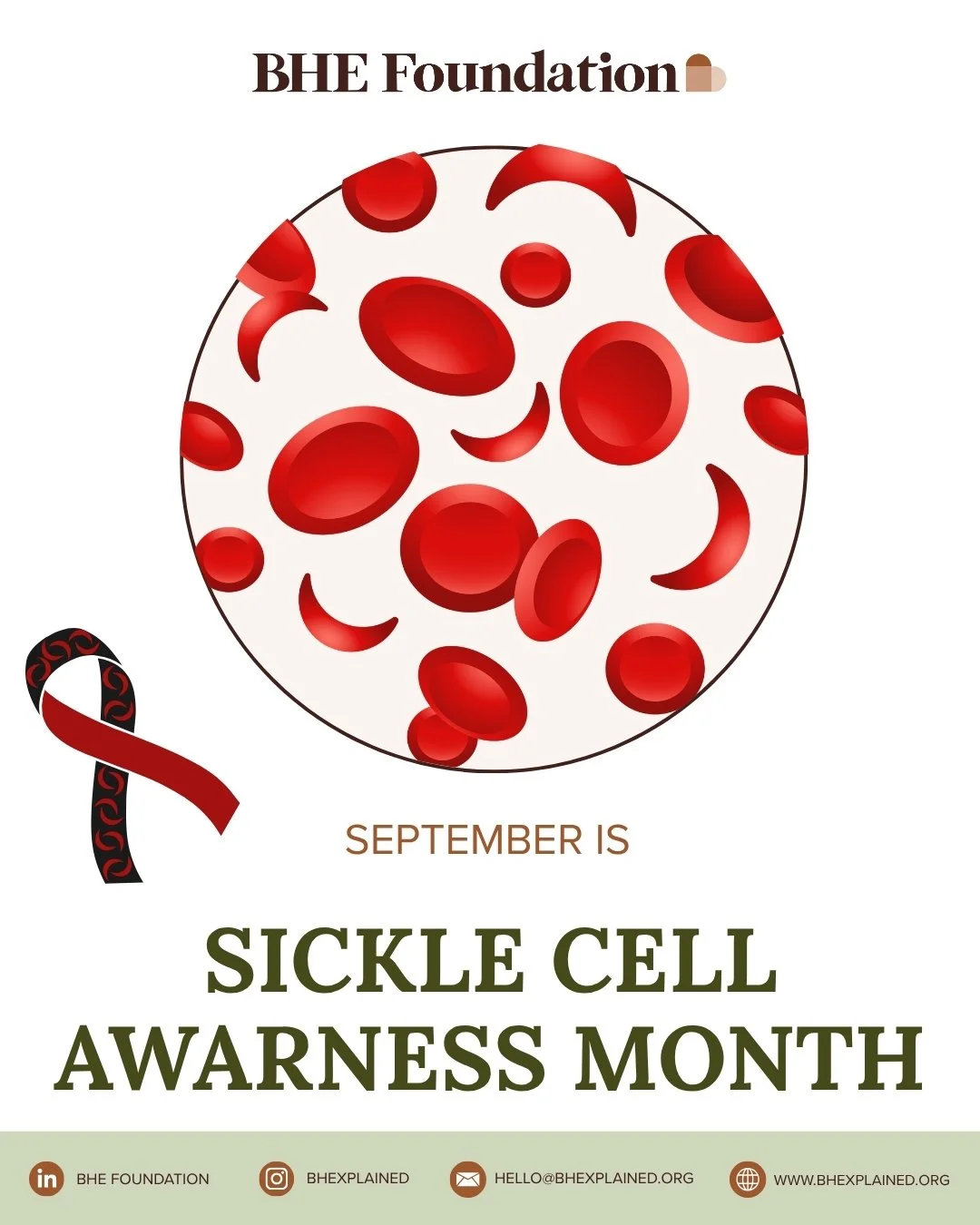
Sickle cell disease (SCD) is an inherited blood disorder that affects hemoglobin, the protein inside red blood cells responsible for carrying oxygen throughout the body.
Healthy red blood cells are round and flexible, allowing them to move easily through blood vessels. In people with sickle cell disease, red blood cells become rigid and crescent-shaped — resembling a farming tool called a sickle.
These abnormal cells can:
Stick together
Block blood flow
Reduce oxygen delivery to tissues and organs
Break apart more quickly than healthy red blood cells
The result can be severe pain episodes, chronic anemia, organ damage, and other potentially life-threatening complications.
Symptoms can begin as early as 5 to 6 months of age and continue throughout a person’s life.


What Causes Sickle Cell Disease?
Sickle cell disease develops because of changes in the HBB gene, which provides instructions for making hemoglobin.
A child inherits sickle cell disease when both parents pass down an altered hemoglobin gene.
People with SCD inherit two abnormal copies of the gene.
When hemoglobin does not function normally:
Red blood cells become stiff and sickle-shaped
Blood vessels can become blocked
Oxygen delivery decreases
Healthy blood cells die earlier than normal
Typical red blood cells live approximately 120 days.
Sickled blood cells often survive only 10 to 20 days, contributing to chronic anemia and fatigue.
Genetics Behind Sickle Cell Disease
Sickle cell disease arises from inheriting two copies of a mutated gene related to hemoglobin, the protein responsible for transporting oxygen in red blood cells. The altered version, known as hemoglobin S, leads to the distinctive sickle shape. Those with only one mutated gene carry the sickle cell trait but generally lead normal lives, unless impacted by extreme physical stressors.
Understanding Family Risk
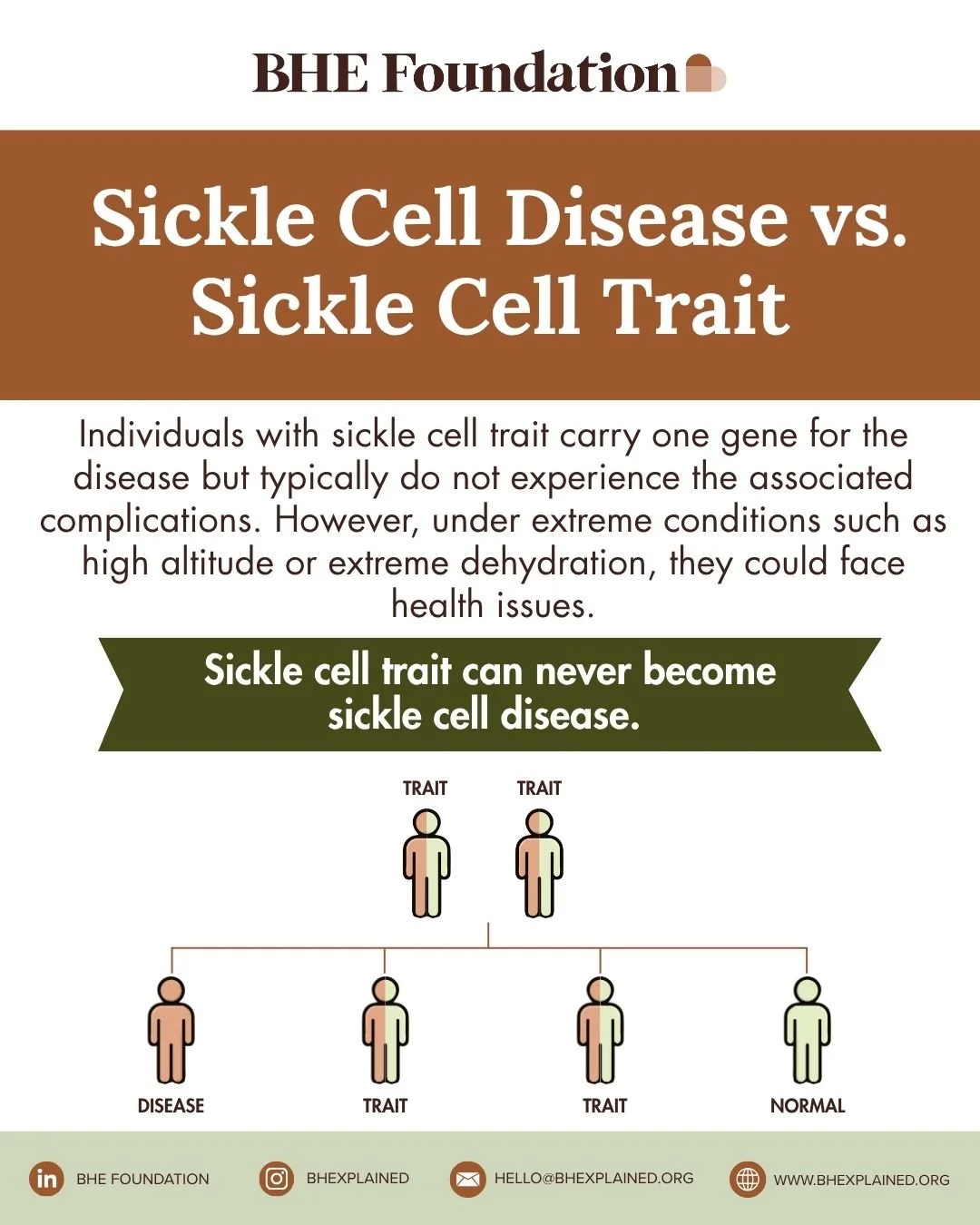
If both parents carry sickle cell trait:
For every pregnancy:
25% chance the child will have sickle cell disease
50% chance the child will inherit sickle cell trait
25% chance the child will inherit neither condition
A simple blood test can determine whether someone carries sickle cell trait.
Genetic counseling may also help individuals and families understand reproductive risks and health planning.
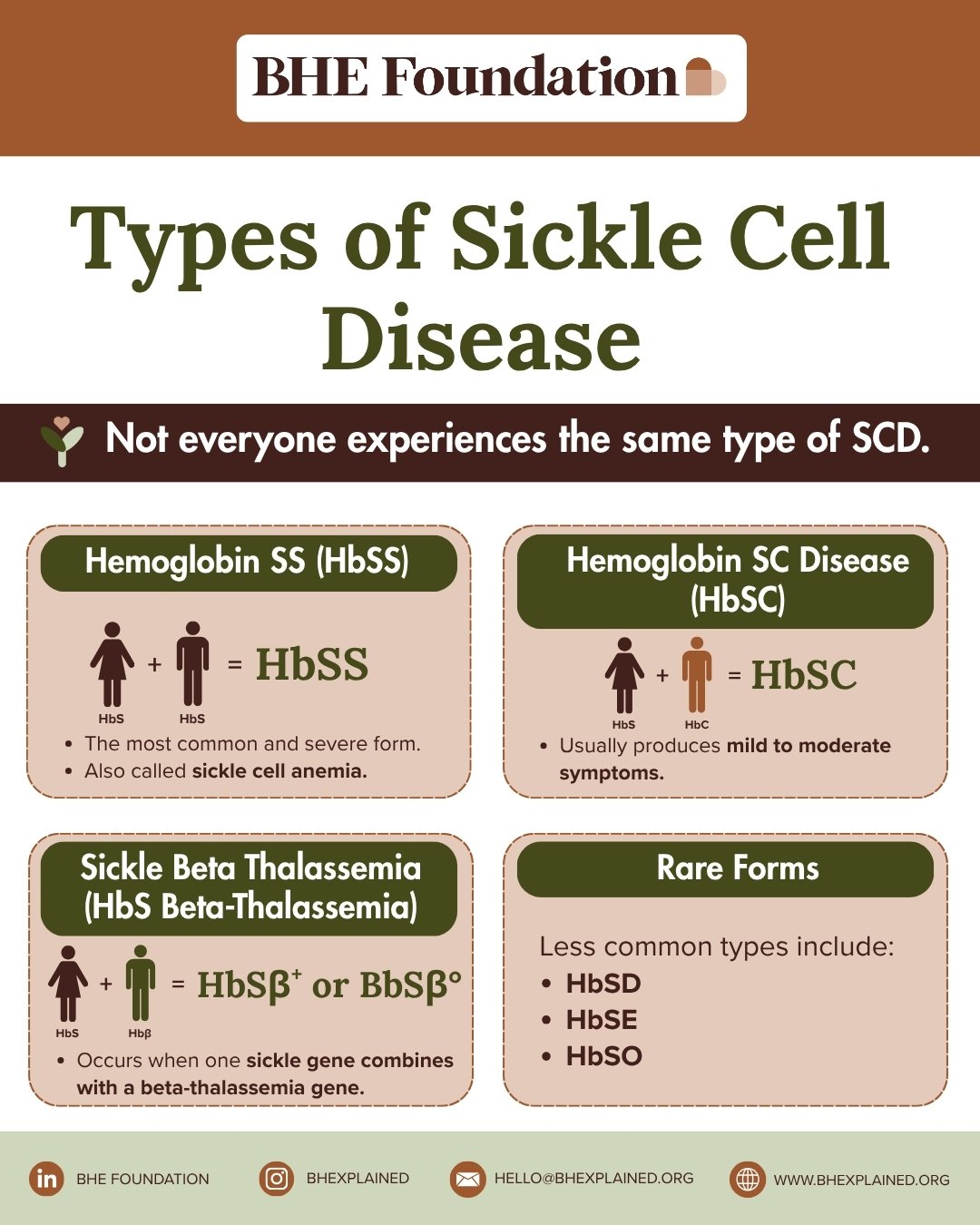
Types of Sickle Cell Disease
Not everyone experiences the same type of SCD.
Hemoglobin SS (HbSS)
The most common and severe form.
Also called sickle cell anemia.
Hemoglobin SC Disease (HbSC)
Usually produces mild to moderate symptoms.
Sickle Beta Thalassemia (HbS Beta-Thalassemia)
Occurs when one sickle gene combines with a beta-thalassemia gene.
Rare Forms
Less common types include:
HbSD
HbSE
HbSO
Sickle Cell Trait vs. Sickle Cell Disease: Understanding the Difference
One of the biggest misconceptions is confusing sickle cell trait with sickle cell disease.
Sickle Cell Trait (SCT)
People with sickle cell trait inherit one normal gene and one sickle cell gene.
Sickle cell trait is not considered a disease.
Most individuals with SCT:
Live normal life spans
Have no symptoms
Never develop sickle cell disease
Sickle Cell Disease (SCD)
People with sickle cell disease inherit two abnormal hemoglobin genes — one from each parent.
They experience symptoms and face increased risk for serious complications.
Sickle cell trait can never become sickle cell disease.
❕
Sickle cell trait can never become sickle cell disease. ❕
However, parents with sickle cell trait can pass the gene to their children. Under rare extreme conditions — including severe dehydration, high altitude exposure, or intense physical exertion — health complications can occur.
Potential complications may include:
Blood in urine
Muscle breakdown (rhabdomyolysis)
Eye complications after injury
Reduced blood supply to the spleen
Rare kidney cancers such as renal medullary carcinoma
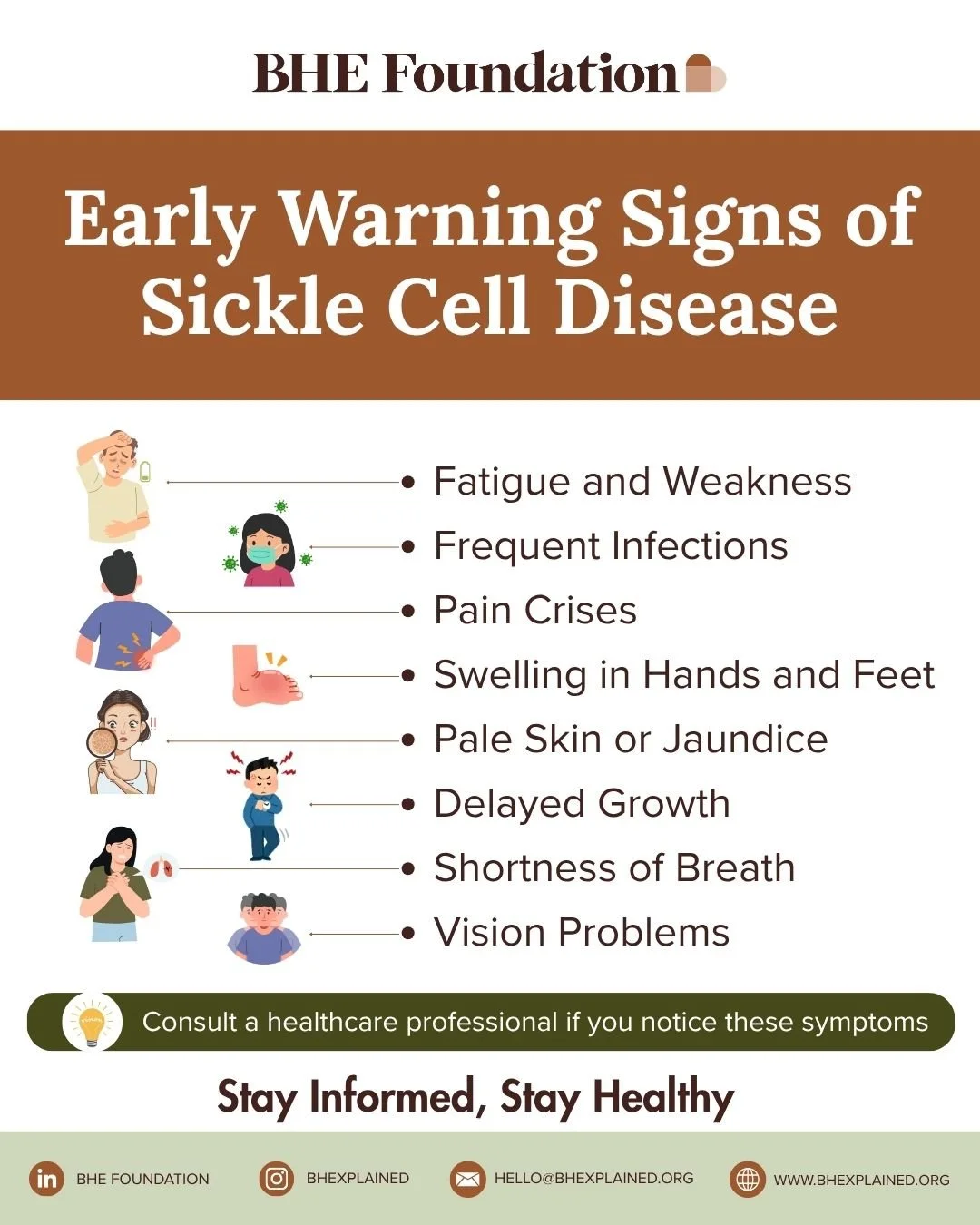

Symptoms of Sickle Cell Disease
Symptoms vary from person to person and may change over time.
Common symptoms include:
Pain Crises (Vaso-Occlusive Episodes)
Pain crises are the most common complication. Sickled cells block blood flow, reducing oxygen delivery and causing severe pain.Pain may occur in:
Chest
Abdomen
Joints
Arms and legs
Episodes can last hours, days, or even longer.
Chronic Anemia
Because sickled blood cells die faster, people with SCD often experience:
Fatigue
Weakness
Dizziness
Shortness of breath
Swelling in Hands and Feet
Blocked circulation can cause painful swelling, particularly in young children.
Frequent Infections
Sickle cell disease can damage the spleen, weakening the body’s ability to fight infections.
Delayed Growth
Children with SCD may experience slower growth or delayed puberty.
Vision Problems
Blocked blood flow to the eyes can contribute to vision loss and retinal damage.
Serious Complications of Sickle Cell Disease
Sickle cell disease affects far more than red blood cells. Complications can involve nearly every organ system.
Potential complications include:
Stroke
Acute chest syndrome
Blood clots
Pulmonary embolism
Pulmonary hypertension
Kidney damage
Liver damage
Heart complications
Vision loss
Leg ulcers
Gallstones
Sleep apnea
Deep vein thrombosis
Priapism
Bone damage (avascular necrosis)
Pneumonia and meningitis
Organ failure
Seek emergency medical care immediately for:Sudden weaknessFacial droopingConfusionTrouble speakingVision changesSevere headacheDifficulty walkingCan Sickle Cell Disease Be Cured?
Yes. Sickle cell disease can now be cured for some people. Advances in stem cell transplantation and gene-based therapies have changed the treatment landscape and created curative options for certain individuals living with sickle cell disease.
However, not every person with sickle cell disease is eligible for every curative treatment. Eligibility may depend on factors such as age, overall health, disease severity, access to specialized care, and donor availability.
Curative Treatment OptionsBone Marrow or Stem Cell Transplant
A bone marrow or hematopoietic stem cell transplant can replace the blood-forming cells responsible for producing sickled red blood cells with healthy cells. For eligible patients, this treatment can offer a cure for sickle cell disease.
Challenges may include:
Finding a compatible donor
Meeting eligibility requirements
Managing potential complications from the transplant
Accessing specialized transplant care
Gene-Based Therapies
New gene-based treatments have also created additional curative options for some people with sickle cell disease. These therapies are designed to modify a person's own blood-forming stem cells so the body can produce healthier red blood cells and reduce or eliminate the effects of the disease.
While these treatments represent an important advancement, they may not be appropriate or accessible for everyone and can involve intensive treatment, specialized care, and potential risks.
Treatments That Help Manage Sickle Cell DiseaseFor individuals who are not eligible for or do not have access to curative treatment, other therapies can help reduce complications, prevent organ damage, and improve quality of life.
Supportive Care
Antibiotics to help prevent certain infections
Blood transfusions when medically necessary
Vaccinations
Hydration support
Pain management and regular medical monitoring
Disease-Modifying TreatmentsHydroxyurea
May reduce the frequency of pain crises and other complications by helping the body produce more fetal hemoglobin.
L-glutamine
May help reduce complications associated with sickle cell disease, including pain episodes.
Other treatment options may be recommended based on an individual's symptoms, medical history, and type of sickle cell disease.
Living Well With Sickle Cell Disease
Even with curative treatments now available, daily health management remains important for many people living with sickle cell disease. Individuals may benefit from:
Attending routine healthcare appointments
Staying adequately hydrated
Managing blood pressure and other health conditions
Avoiding smoking and vaping
Participating in safe physical activity
Staying up to date on recommended vaccinations
Prioritizing mental and emotional health
Working closely with healthcare providers when planning a pregnancy
Sickle cell disease is no longer considered a condition that can only be managed. For some individuals, a cure is now possible. Continued advances in stem cell transplantation and gene-based therapies are expanding treatment options and offering new hope to people and families affected by sickle cell disease.
Anyone considering a curative treatment should speak with a hematologist or specialized sickle cell treatment center to discuss eligibility, benefits, risks, and available options.
Awareness and Community Outreach
Unfortunately, many individuals living with sickle cell disease often encounter barriers when seeking appropriate care. Misunderstandings and stigma can exacerbate the already complex nature of their condition. As we recognize Sickle Cell Awareness Month, educating ourselves about SCD in our community is pivotal.
Conclusion
Sickle cell disease is not just an individual's plight; it’s a community battle. Informed action, empathy, understanding, and advocacy are essential for improving health outcomes and reducing the stigma faced by those living with this chronic condition. As we close out Sickle Cell Awareness Month, let’s commit to fostering knowledge and support within our communities for the health literacy of Black Americans and beyond.