
Shellfish Allergies in Adults: What Black Communities Need to Know
Is that a perfectly seasoned blue crab drenched in butter and Old Bay I see? Around the DMV, that’s more than a meal—it’s a whole experience. From summer crab feasts along the Chesapeake Bay to backyard cookouts, crab season is practically a regional love language. But for some, that same plate can pose serious health risks. Let’s dive (pun intended) into seafood allergies—and how to stay safe while still enjoying the flavors of the DMV.
When we think about allergies, many people assume they begin in childhood; but shellfish allergies often develop in adulthood, making them one of the most overlooked health risks, especially in areas where seafood is a staple.
An allergy occurs when the immune system reacts to a substance (called an allergen) as if it were harmful. With food allergies, that reaction can escalate quickly and, in some cases, become life-threatening.
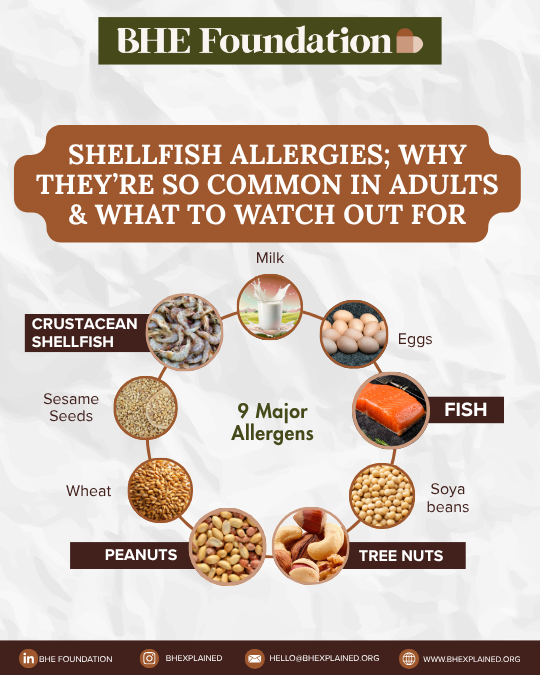
Among all food allergies, shellfish is the most common in adults and the most common amongst children, followed by peanuts and tree nuts.
What Counts as Shellfish?
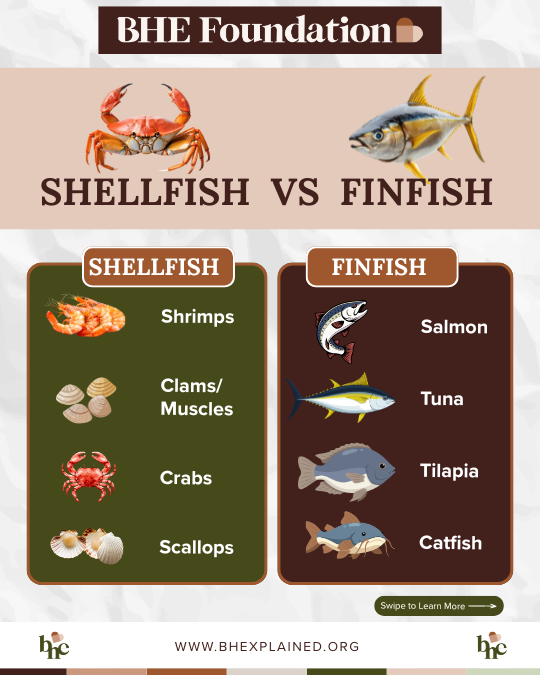
Seafood allergies can be confusing because not all seafood is the same. It’s also important to note that you can be allergic to shellfish but not allergic to finfish, and vice versa.
There are three main categories of seafood:
1. Crustaceans (most common allergens)
Shrimp
Crab
Lobster
2. Mollusks
Clams
Mussels
Oysters
Scallops
3. Finned Fish (different allergy category)
Salmon
Tuna
Tilapia
Why This Matters for Black Adults
Data shows that:
Food allergies are more common in Black adults compared to White adults
Rates of shrimp allergy are higher among Black individuals and tend to increase with age
Shellfish allergies are unlikely to go away once developed
In the DMV, where seafood traditions run deep, this matters even more. Foods like crab, shrimp, and shellfish-based seasonings show up at family events, festivals, and local restaurants, making exposure more likely and awareness even more important.
Symptoms of a Shellfish Allergy
Symptoms usually appear within minutes to 2 hours after eating or exposure.
They may include:
Hives or rash
Itching or tingling in the mouth
Swelling of lips, face, or throat
Vomiting or diarrhea
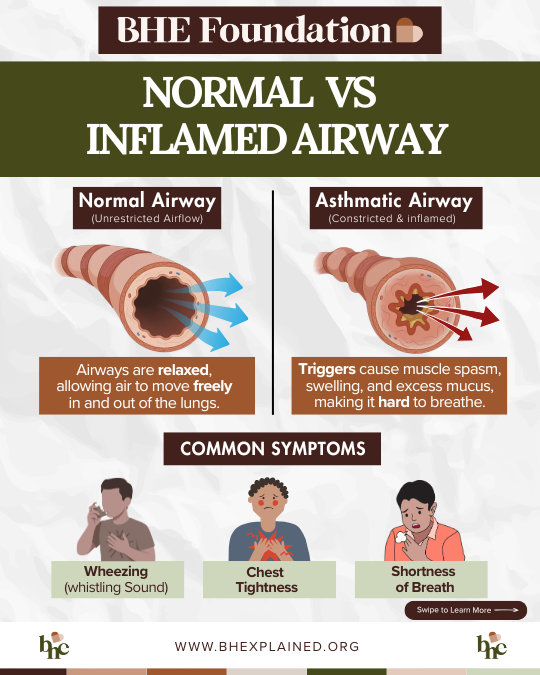
Wheezing or difficulty breathing
Dizziness or low blood pressure
Understanding Anaphylaxis
Food allergies are the leading cause of anaphylaxis, a severe and potentially life-threatening reaction. This is a medical emergency and requires immediate treatment.
Signs include:
Trouble breathing
Swelling of the throat
Sudden drop in blood pressure
Foods & Ingredients to Watch For
If you have a seafood allergy, avoid foods that may contain hidden fish or shellfish ingredients:
Caesar salad or dressing
Seafood flavorings
Fish stock
Imitation crab
Worcestershire sauce
Always read food labels carefully before trying new products.
-
You can still enjoy the flavors and creativity of local cuisine without the risk:
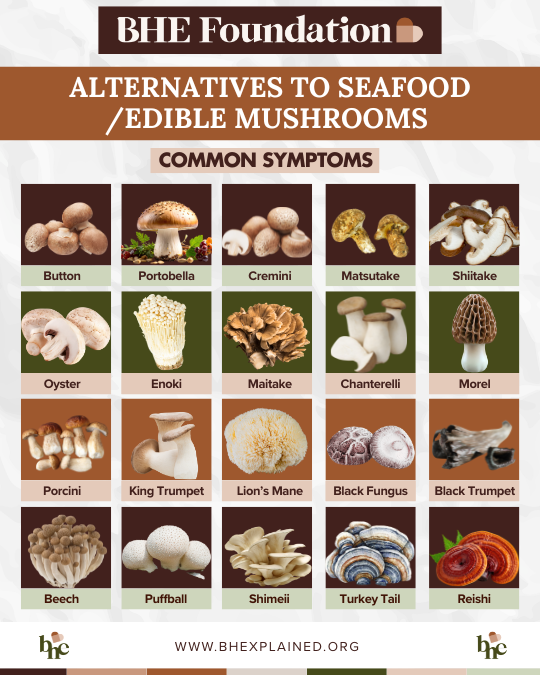
• Mushrooms (great texture substitute for crab in “crab cakes”)
• Hearts of palm (popular in plant-based crab cake recipes)
• Tofu or jackfruit
Safety Tips for Daily Life
Carry at least two epinephrine auto-injectors if diagnosed
Ask about ingredients when eating out
Avoid cross-contact (shared cooking surfaces)
Inform friends and family about your allergy
Diagnosis & Management
Diagnosis is typically done through:
Skin testing
Blood testing
Medical history review
Management focuses on strict avoidance and emergency preparedness.
Why This Matters in the DMV
With the DMV’s strong seafood culture—from backyard crab boils to restaurant dining—understanding shellfish allergies is critical. Many adults may experience symptoms for the first time later in life, right in the middle of enjoying these cultural staples.
For many adults, symptoms may appear suddenly, making it important to recognize early warning signs and take them seriously.
Awareness is key: knowing the signs, speaking up about your needs, and making informed choices can help you stay safe—while still being part of the food culture that makes the DMV so special.

Summer is here! In this blog, we cover a heat phenomenon impacting Black urban communities called Urban Heat Islands and the two most severe heat illnesses. Lastly, we share some heat safety tips to ensure you are protected this summer.