
Anxiety in the Black Community: Breaking the Stigma & Taking Care of Your Mental Health
Mental health has long been a complicated, and often misunderstood, topic in the Black community. For many of us, the idea of struggling mentally has been tied to weakness, when in reality, it’s a human experience that deserves care and attention. In a culture that celebrates resilience and the image of the “strong Black man” or “strong Black woman,” it can feel especially hard to admit when something isn’t right.
But here’s the truth: strength also looks like being honest about what you’re going through.
The stigmas associated with Black mental health stem not only from individual beliefs within communities but also from systemic issues in medical education and practices. Often, healthcare professionals have been taught that Black people and other people of color are less likely to experience emotional or physical pain.
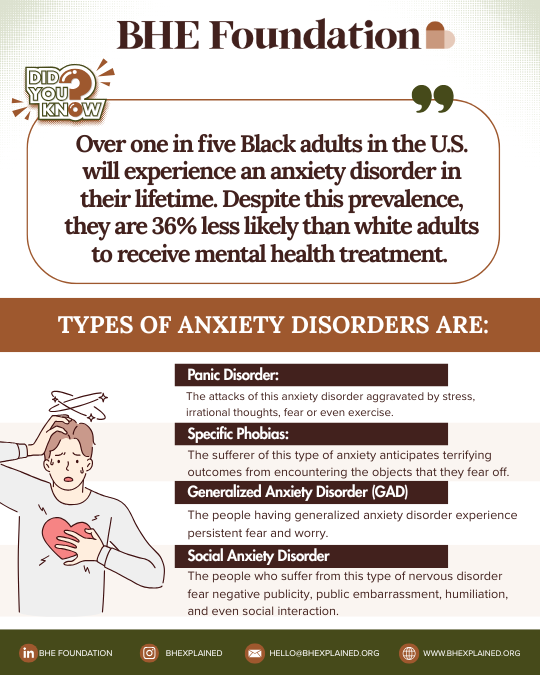
Despite facing risk factors like homelessness and exposure to violence, Black Americans often minimize their mental health struggles. Shockingly, over one in five Black adults will face an anxiety disorder at some point in their lives, but they are still 36% less likely to seek treatment compared to their white counterparts.
As we recognize May as Mental Health Awareness month, we at BHE Foundation would like to help foster understanding and conversations on mental health conditions such as anxiety.
Understanding Anxiety
Anxiety isn’t just being nervous; It’s a group of conditions that can affect your thoughts, body, and daily life. Anxiety is a spectrum of related disorders including: General Anxiety Disorder, Social Anxiety Disorder, Phobias, and Panic Disorder. Anxiety disorders tend to run in families.
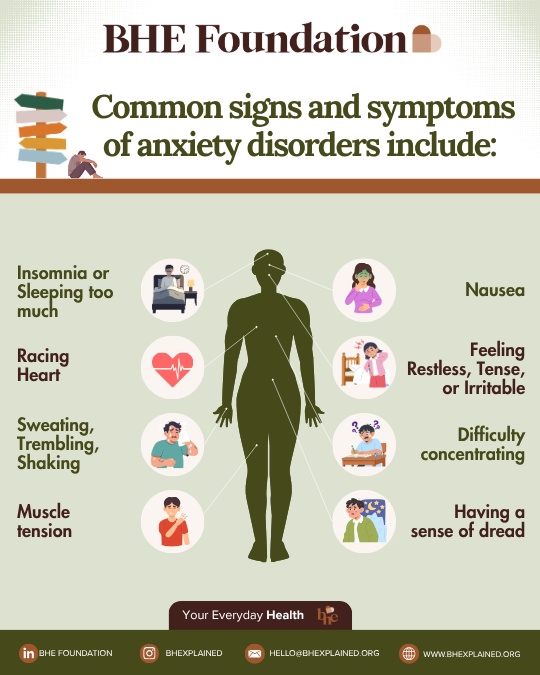
While different anxiety disorders have distinct characteristics, they also share some common symptoms like:
Insomnia or sleeping too much
Feeling restless, tense, or irritable
Difficulty concentrating
Racing heart
Muscle tension
Sweating, trembling, shaking
Nausea
Having a sense of dread.
About one in five Black adults will experience an anxiety disorder in their lifetime. Research has found that Social Anxiety Disorder and Generalized Anxiety Disorder are the most common forms of anxiety disorders experienced by Black Adults. In this blog, we will share signs and symptoms, the cause, requirements to be diagnosed, and treatment for these two disorders.
Generalized Anxiety Disorder
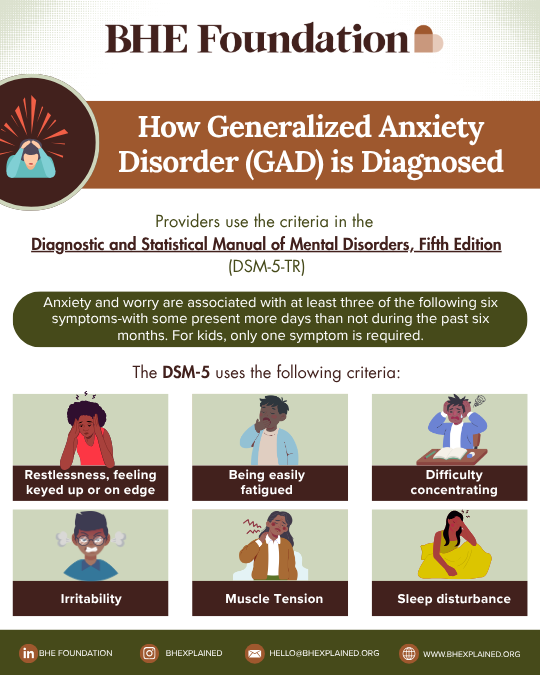
Generalized Anxiety Disorder (GAD) is characterized by experiencing excessive worry that interferes with a person’s ability to function normally. The disorder develops gradually and typically starts in early adulthood, but can occur at any age. The exact cause of GAD is unknown, but research has found that experiencing trauma, being exposed to stressful environments, genetics, and brain chemistry can impact the risk of developing it.
Signs and Symptoms of GAD include:
Excessively worrying about everyday things
Trouble controlling worries or feelings of nervousness
Feeling irritable or “on edge”
Trouble relaxing
Lack of concentration
Fatigue or issues with sleep (falling asleep or staying asleep)
Excess Sweat
Feeling out of Breath
Experiencing pain(like headaches) or tension in the body
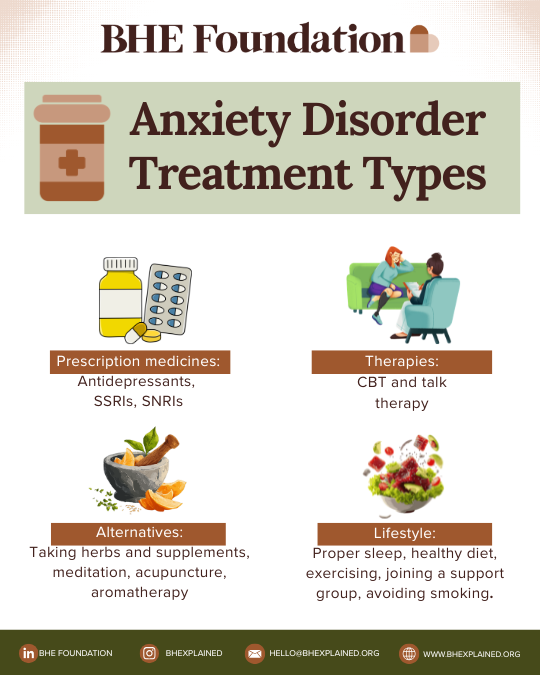
To be diagnosed with GAD, you typically need to have those feelings for at least six months along with several accompanying symptoms. Thankfully, treatment options include therapy such as CBT, medication, or a combination of both.
Cognitive behavioral therapy (CBT) is a form of psychotherapy commonly used to treat GAD. It helps people recognize and challenge harmful thoughts, understand how these thoughts impact feelings and actions, and change behavior patterns to feel less anxious and worried. Medications such as antidepressants and anti-anxiety medications are prescribed to treat GAD.
Social Anxiety Disorder
Social Anxiety Disorder (SAD) is one of the most common anxiety disorders, impacting around 13% of people in the U.S. It can start in childhood or adolescence, often presenting itself as extreme shyness or avoidance of social situations. Individuals with SAD may find themselves worried about upcoming social interactions for weeks in advance, struggling with feelings of self-consciousness and fear of being judged or humiliated by others.
The exact cause of social anxiety isn’t fully understood, but factors like genetics, stress, and environmental influences can contribute to its development. Those dealing with social anxiety often experience physical symptoms when faced with social situations, such as blushing, sweating, trembling, or even nausea. In more severe cases, panic attacks may occur, particularly in scenarios like speaking in front of a group or meeting new people. Negative early experiences, such as bullying or teasing, can also increase the likelihood of developing this condition.
Certain situations can trigger significant fear and anxiety for those with social anxiety disorder, including:
Answering a question in front of people
Asking for help in a restaurant, store or other public place
Dating
Eating in front of people
Meeting new people
Performing in front of people
Taking or making phone calls
Using public restrooms
To receive a diagnosis of social anxiety disorder, individuals must demonstrate a persistent fear of scrutiny and judgment in social settings. This anxiety should last for at least six months and significantly interfere with daily life, including work, school, or relationships.
Healthcare providers will evaluate symptoms and history to determine a diagnosis based on established criteria in the DSM-5, which includes:
Persistent and intense fear of social situations due to expected negative judgment or humiliation
Avoidance of social settings that may provoke anxiety, or enduring them with significant distress
Anxiety that is out of proportion to the actual situation
Distress in social situations that disrupts daily life
Symptoms that are not better explained by a medical condition, medication, or substance use
For effective treatment, psychotherapy is often recommended. A common approach is exposure therapy, which gradually helps individuals face their fears and engage in the social situations they might otherwise avoid. Additionally, medications such as antidepressants, beta-blockers, and anti-anxiety drugs can be prescribed to help manage symptoms and improve quality of life.

Addressing social anxiety is a crucial step toward building a fulfilling and connected life—recognizing that it’s okay to seek help and support is the first brave step forward.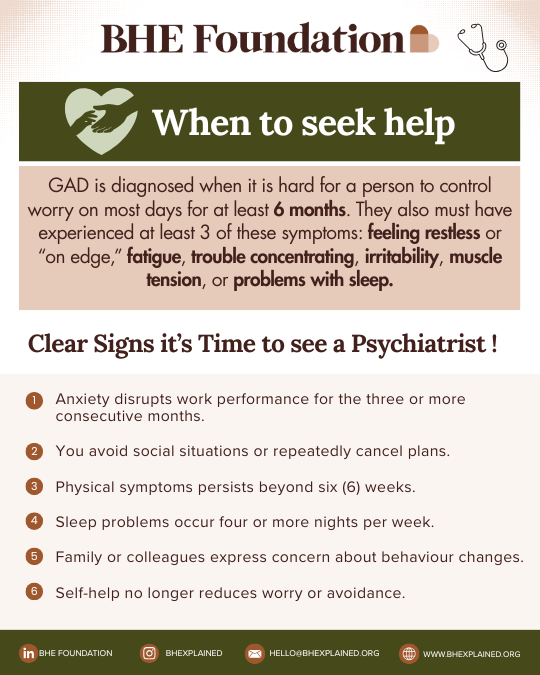
Managing Anxiety: Tools for Yourself & Supporting Others
We all experience moments of anxiety or nervousness, but for some, these feelings can escalate to a point where they impact daily life. As we work together to foster a supportive community around mental health, it’s just as important to understand how to help ourselves as it is to support others struggling with anxiety.
Self-Care Strategies for Managing Anxiety:
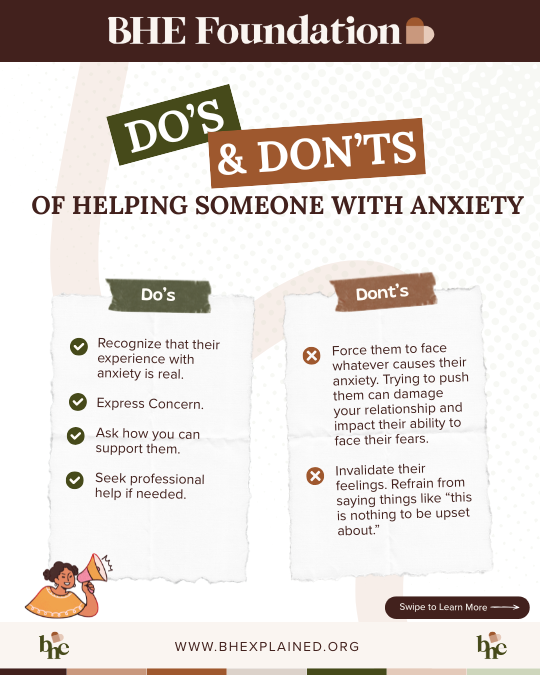
Breathing Techniques: Close your eyes and take deep breaths in and out for five seconds to help calm your mind.
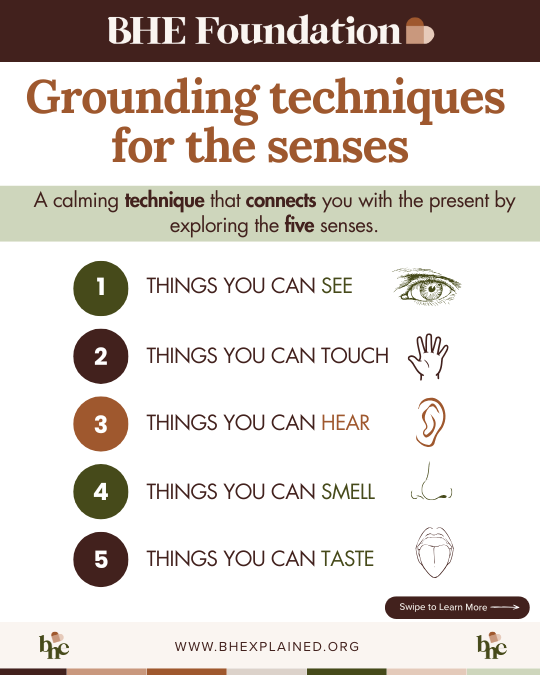
Grounding Techniques: Use the 5 senses grounding exercise to anchor yourself in the present moment. Identify five things you can see, four things you can touch, three things you can hear, two things you can smell, and one thing you can taste.
Challenge Anxious Thoughts: Learn to question and reframe negative thoughts that contribute to your anxiety.
Establish Routines: Creating structure in your day can provide a sense of stability and predictability.
Get Active: Exercise is a powerful way to reduce anxiety. Find an activity you enjoy and make it a regular part of your routine.
Join Support Groups: Connecting with others who understand your experience can be incredibly validating and supportive.
Listen to Music: Music can have a calming effect and provide a perfect escape during anxious moments.
Read a Book: Immerse yourself in a different world through a good book to take your mind off stressors.
Take a Walk: Getting outdoors and moving your body can boost your mood and help alleviate anxiety.
Find a Hobby: Engage in activities that spark joy and allow for creative expression.
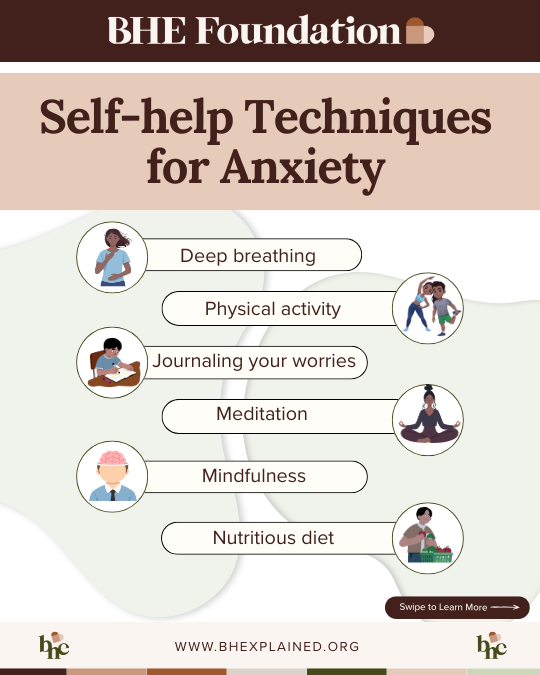
Here are some tips to how you can help someone with anxiety:
Be sure to recognize that their experience with anxiety is real and ask how you can support them. Refrain from comments like “this is nothing to be upset about.”
Express concern. Approach them in a positive way, acknowledging changes in behavior.
Do not force them to face whatever causes their anxiety. Trying to push them can damage your relationship and impact their ability to face their fears.
Know when to seek help. If you notice a loved one’s anxiety negatively impacting their daily life or causing issues at home, it may be time to seek professional help. Encourage them to make an appointment with a mental health provider (again, don’t force it). It can be as simple as telling them “it’s just one appointment.”
Foods That Can Support Mental Wellness
What you eat can impact how you feel. While no food can “cure” anxiety, certain nutrients help support brain health and emotional balance. Small changes in your diet can support your mental wellness over time. Here’s a few items you can add to your diet to help assist your mental wellness journey.
-
Rich in omega-3 fatty acids (EPA and DHA) and vitamin D, salmon promotes brain health and may help reduce inflammation linked to depression.
-
This herb has antioxidant properties and may work to lower inflammation associated with anxiety.
-
With curcumin as its active ingredient, turmeric is known for its anti-inflammatory and neuroprotective benefits.
-
A treat that may actually ease anxiety, dark chocolate contains antioxidants like flavonols which can positively influence brain health.
-
Rich in probiotics, yogurt can enhance gut health, which is linked to improved mental well-being.
-
Known for its calming effects, green tea may help reduce anxiety levels
-
Packed with vitamin E and healthy fats, almonds have been associated with reduced oxidative stress, a contributor to anxiety.
-
High in vitamin C and antioxidants, these delicious fruits can support brain health and alleviate anxiety symptoms.
-
A great source of tryptophan, eggs can help your body produce serotonin, a neurotransmitter that promotes relaxation.
-
Loaded with omega-3 fatty acids, chia seeds can be a great addition to your diet for better mental health.
-
High in vitamin C, these foods may help reduce inflammation and protect against anxiety.
Conclusion
As we continue to honor Mental Health Awareness Month, let this be a reminder that caring for your mental well-being is just as important as caring for your physical health. Whether it’s seeking professional support, practicing daily self-care, or simply checking in on a loved one, every step matters. Together, we can create a culture where mental health is prioritized, understood, and supported—without judgment, and without shame.Let's Practice
|
Let's Practice |
Take a moment to practice a breathing technique with us. Follow along to try a grounding technique called deep breathing, and take slow, steady breaths alongside the video.
Let us know how this worked for you—or share any techniques that have helped you and that you’d recommend to others!
Resources for mental health wellness:
Therapy for Black Girls

Know Your Risk. Know Your Numbers. Know Your Options.
Prostate health is about more than waiting for symptoms to appear. Knowing your risk factors and having an informed conversation with a healthcare provider can help you make decisions about screening and treatment.
Men should talk with their healthcare provider about prostate cancer risk, particularly if they are older, have a family history of prostate cancer, or are Black.
Your prostate health is part of your overall health—and knowing what is normal for you can help you recognize when something has changed.