Unlock the Power of Healthy Cooking Oils
How ONE Simple Kitchen Swap Can Support Heart Health in Black Communities.
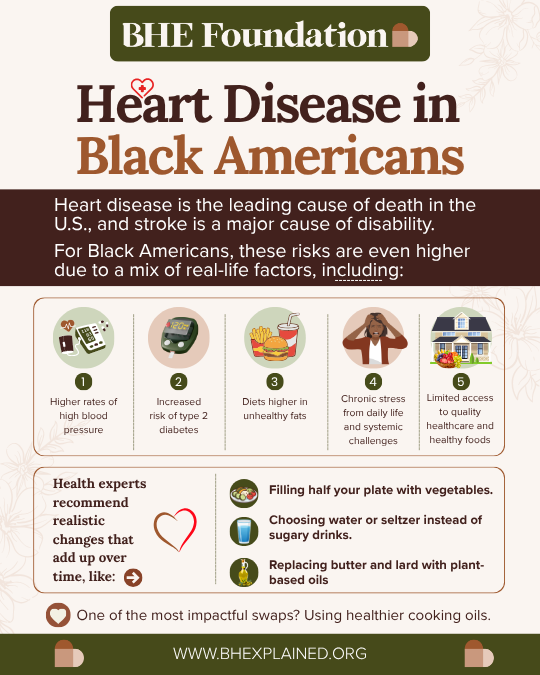
Heart disease remains the leading cause of death in the United States, and Black Americans continue to experience higher rates of cardiovascular disease, high blood pressure, stroke, and type 2 diabetes than many other racial and ethnic groups. These disparities are influenced by multiple factors, including access to healthcare, neighborhood resources, food availability, chronic stress, and socioeconomic conditions.
While these challenges are significant, research consistently shows that small, sustainable lifestyle changes can improve long-term health. One of the simplest changes you can make is choosing healthier cooking oils.
At BHE Foundation, we believe health education should be practical, affordable, and accessible. Understanding the oils you cook with is one small step that can have a meaningful impact on your heart health.
Why Cooking Oil Matters
Cooking oils do much more than keep food from sticking to the pan. The type of fat in your cooking oil can influence cholesterol levels, blood vessel health, inflammation, and your overall risk of cardiovascular disease.
Health experts recommend replacing foods high in saturated fats—such as butter, lard, and shortening—with oils that contain mostly unsaturated fats. This simple substitution has been associated with improved heart health and a lower risk of heart attack and stroke.
The goal isn't to eliminate fat from your diet. Your body needs healthy fats for brain function, hormone production, nutrient absorption, and energy. The key is choosing the right kinds of fats more often.
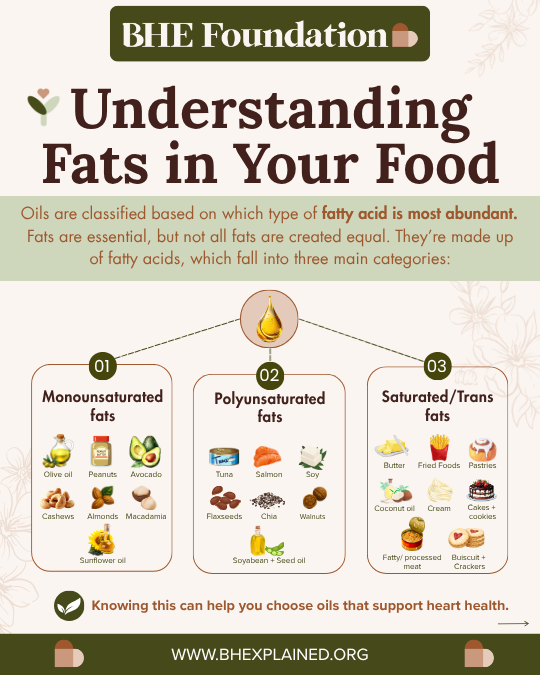
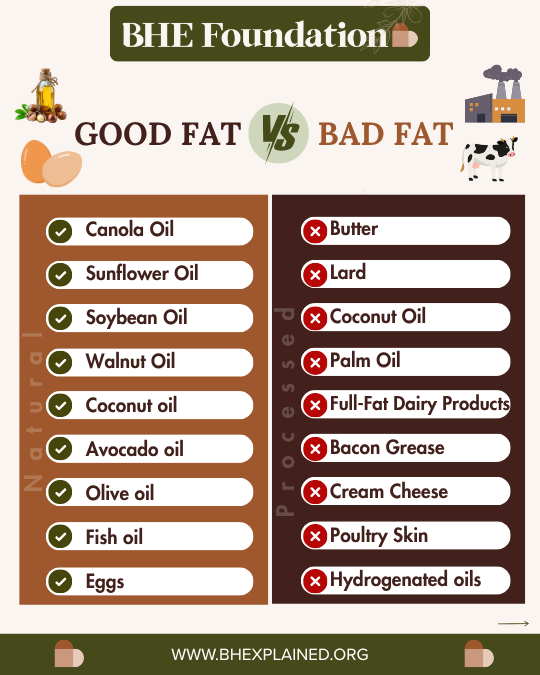
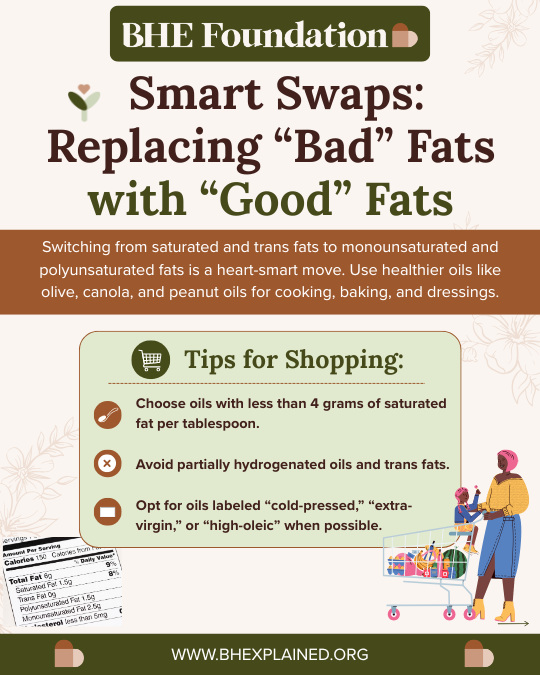
Understanding the Different Types of Fat
Monounsaturated Fats
These fats are considered heart-healthy because they can help lower LDL ("bad") cholesterol while maintaining HDL ("good") cholesterol.
Common sources include:
Extra-virgin olive oil
Avocado oil
Peanut oil
These oils work well for sautéing, roasting, homemade dressings, and many everyday cooking methods.
Polyunsaturated Fats
Polyunsaturated fats include omega-3 and omega-6 fatty acids, both of which are essential nutrients your body cannot produce on its own.
Healthy sources include:
Canola oil
Sunflower oil
Safflower oil
Soybean oil
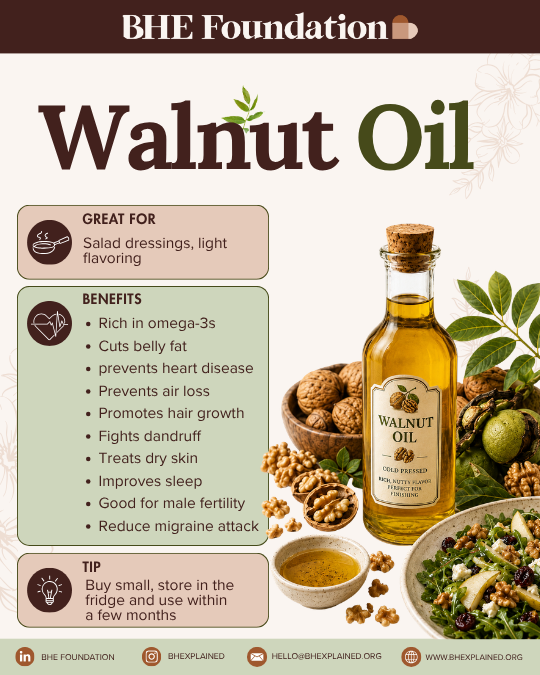
Walnut oil
Current scientific evidence shows that replacing saturated fats with these unsaturated fats supports cardiovascular health.
Saturated Fats
Saturated fats are typically solid at room temperature. Eating too much over time may raise LDL cholesterol levels and increase the risk of heart disease.
Foods higher in saturated fat include:
Butter
Lard
Bacon grease
Palm oil
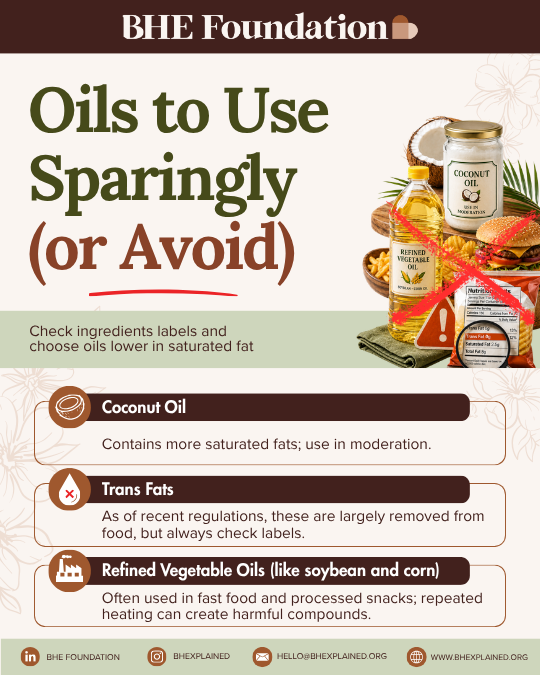
Coconut oil
Full-fat dairy products
These foods don't need to be eliminated entirely, but moderation is important.
Trans Fats
Trans fats provide no known health benefit and increase the risk of heart disease by raising LDL cholesterol while lowering HDL cholesterol.
Although artificial trans fats have largely been removed from the U.S. food supply, they may still be present in some highly processed foods and baked goods. Reading nutrition labels remains an important habit.
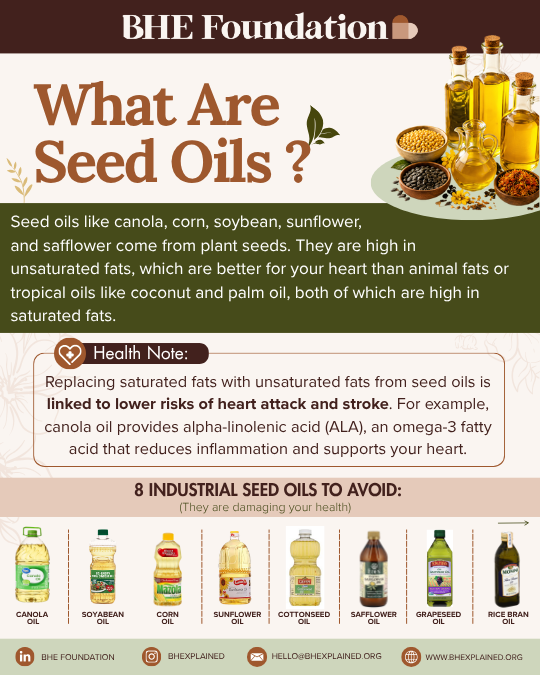
What About Seed Oils?
Few nutrition topics have generated as much discussion on social media as seed oils.
Seed oils—including canola, sunflower, soybean, corn, safflower, and grapeseed oils—are made from plant seeds and are commonly used in home kitchens and restaurants.
Despite many online claims, major medical organizations agree that replacing saturated fats with unsaturated fats from these oils can improve heart health. Current research does not support avoiding seed oils simply because they contain omega-6 fatty acids.
The larger concern is not the oil itself, but how it is often used.
Many restaurant foods are:
Deep fried
Cooked in oils that are repeatedly heated
Served alongside highly processed ingredients that are high in sodium, sugar, and saturated fat
Preparing meals at home using fresh cooking oil allows you to control both the quality of the ingredients and the amount of fat used.
Healthy Eating Doesn't Have to Be Expensive
Improving your nutrition doesn't require buying every trendy ingredient at the grocery store.
Three affordable oils can meet most cooking needs:
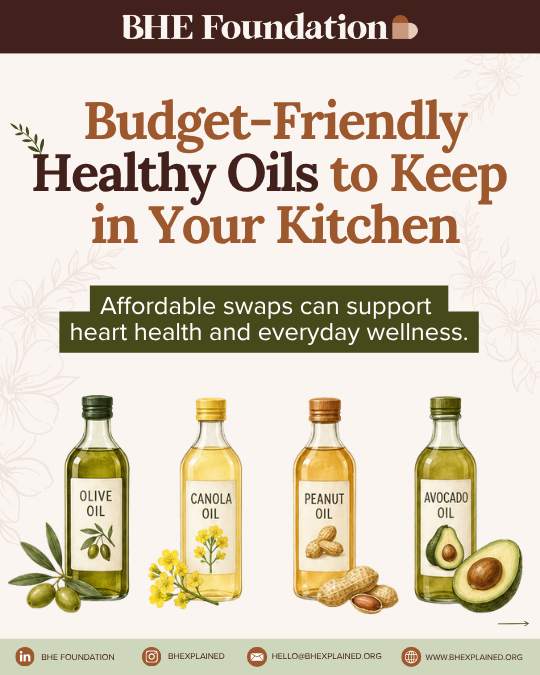
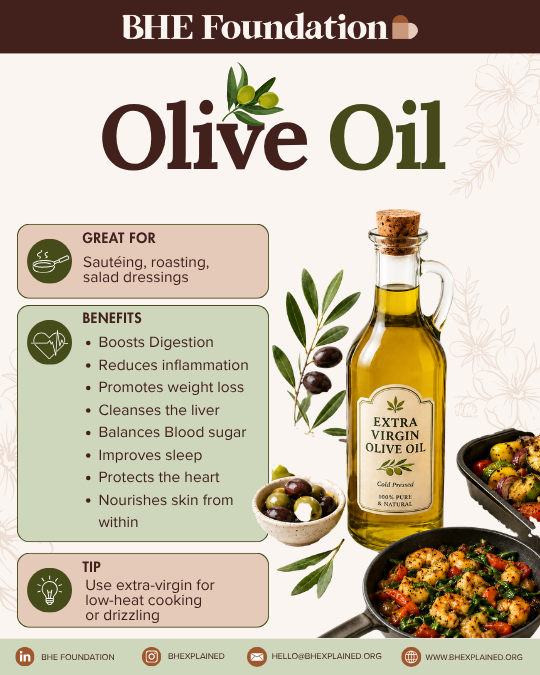
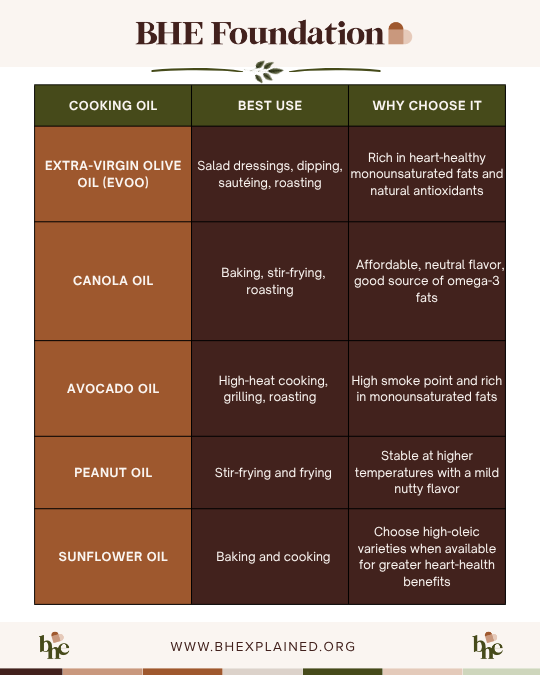
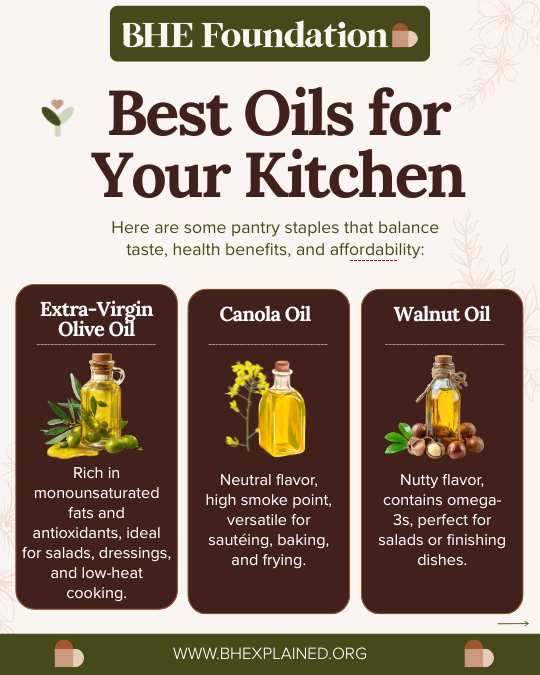
Extra-Virgin Olive Oil
Ideal for salads, roasted vegetables, marinades, and everyday cooking. A little goes a long way.
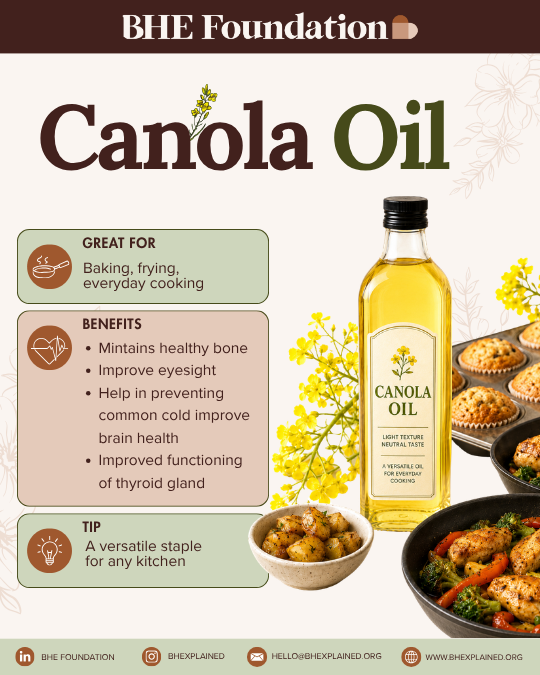
Canola Oil
One of the most budget-friendly cooking oils available. It has a mild flavor and works well for baking, sautéing, and frying.
Sunflower Oil
An affordable option that works well for cooking and baking. Choosing high-oleic varieties provides more heart-healthy monounsaturated fat.
Buying larger bottles when they're on sale and storing oils in a cool, dark place can also help reduce grocery costs.
Easy Ways to Make Healthier Swaps
Small changes made consistently often lead to the greatest long-term results.
Try these simple swaps:
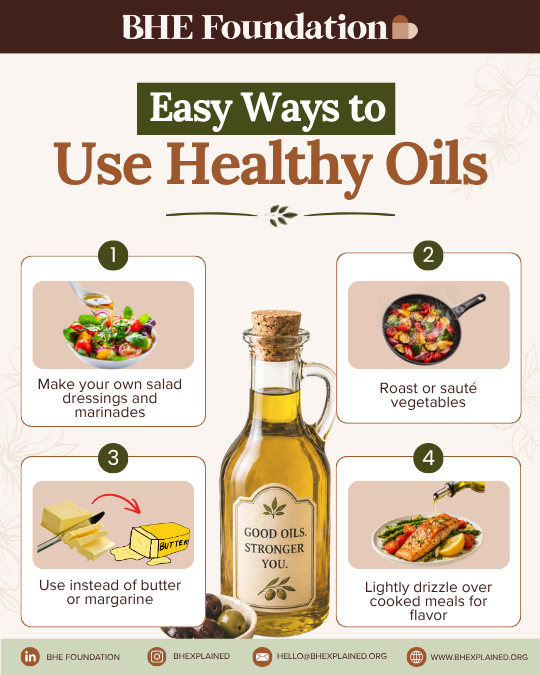
Cook vegetables with olive oil instead of butter.
Make homemade salad dressings instead of buying bottled varieties.
Roast vegetables instead of deep frying them.
Use healthy oils when preparing chicken, fish, or beans.
Replace shortening with canola oil in many baking recipes.
These changes support heart health without sacrificing flavor.
Protecting your heart doesn't require perfection. It starts with making informed choices one meal at a time.
Choosing healthier cooking oils is one of the easiest ways to reduce saturated fat, support healthy cholesterol levels, and build lifelong habits that benefit your heart.
Whether you're cooking for yourself, your children, or your family, remember that every healthy meal is an investment in your future.
Your pantry has more power than you may think—and your heart is worth the upgrade.
*Recipe Spotlight*
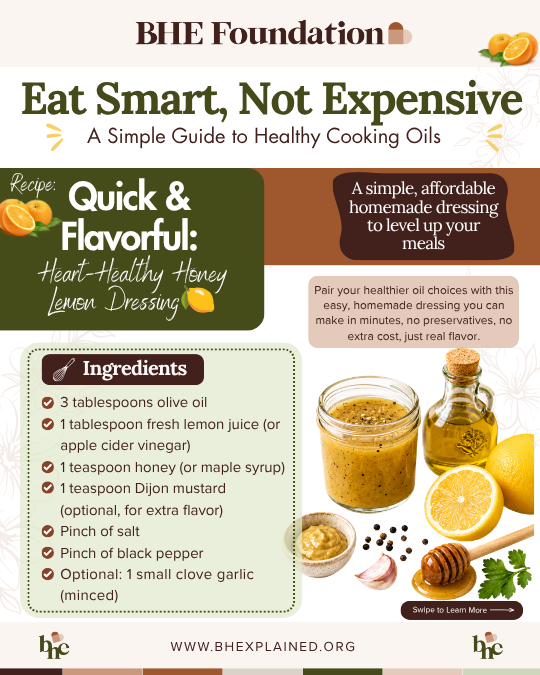
Honey Lemon Vinaigrette
Skip the bottled dressing and make your own in less than five minutes.
Ingredients
3 tablespoons extra-virgin olive oil
1 tablespoon fresh lemon juice
1 teaspoon honey
1 teaspoon Dijon mustard (optional)
Pinch of salt
Pinch of black pepper
1 small garlic clove, minced (optional)
Directions
Whisk all ingredients together or combine them in a small jar and shake until well blended.
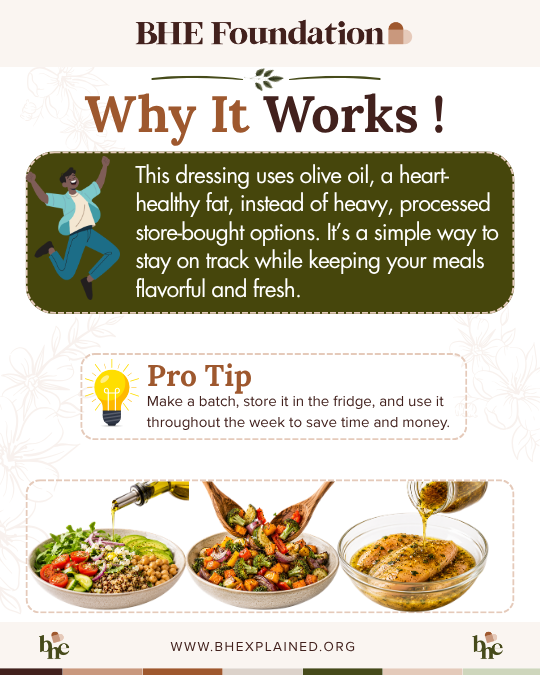
Store in the refrigerator for up to one week.
Try it on:
Garden salads
Roasted vegetables
Grain bowls
Grilled chicken
Salmon