
HIV in Black Americans
Breaking Barriers Together
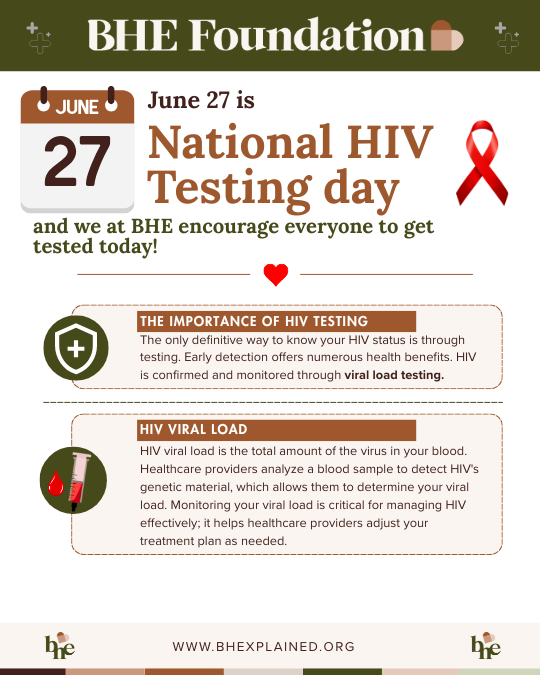
June 27 marks National HIV Testing Day—a day dedicated to raising awareness and encouraging everyone to know their HIV status. As we work towards a healthier community in 2026, it’s crucial to address the stereotypes surrounding HIV and learn the facts to promote well-being. This post will navigate the basics of HIV, its impact on the Black community, and the importance of testing and treatment.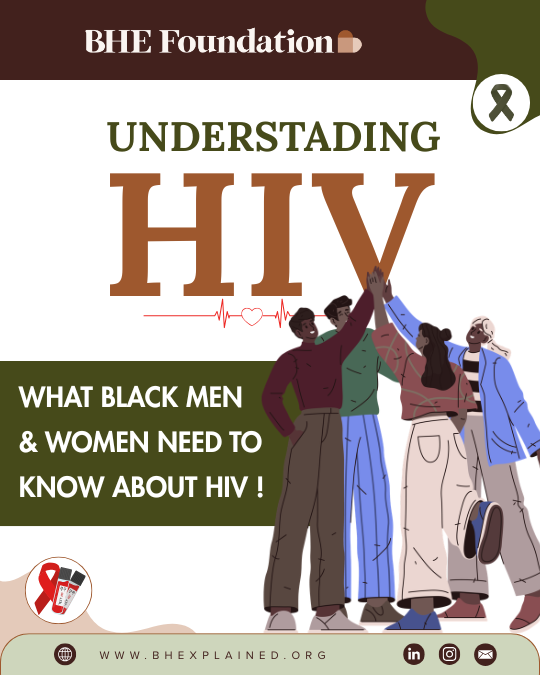
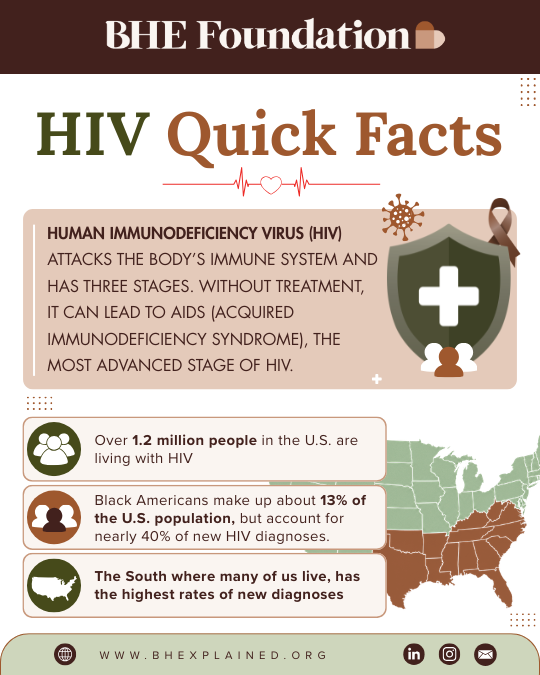
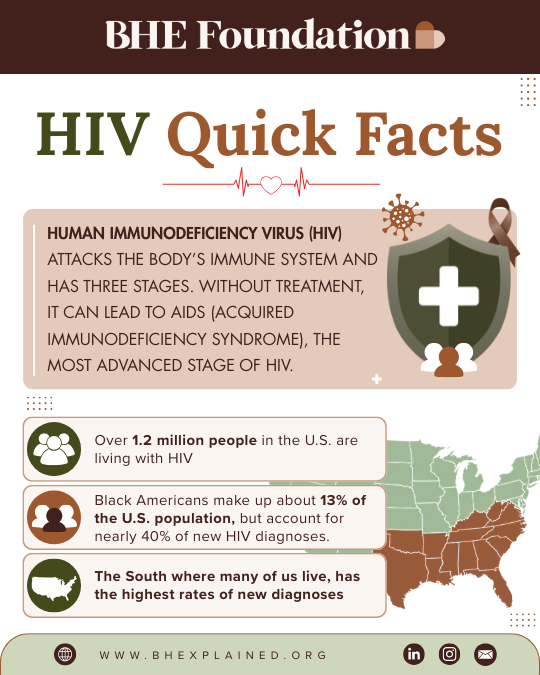
Human immunodeficiency virus (HIV) attacks the body’s immune system. Without treatment, it can lead to AIDS (acquired immunodeficiency syndrome), the most advanced stage of HIV.
Here’s the real talk:
Over 1.2 million people in the U.S. are living with HIV
About 1 in 8 don’t know their status
The South—where many of us live—has the highest rates of new diagnoses
For Black Americans, the impact hits harder—not because of who we are, but because of systemic barriers to care, access, and trust.
Breaking Barriers: What Our Community NeedsBlack Americans make up about 13% of the U.S. population, but account for nearly 40% of new HIV diagnoses. That gap is driven by real issues:
Limited access to affordable healthcare
Fewer testing and prevention resources in our communities
Transportation and provider shortages
Medical mistrust rooted in historical and lived experiences
Ongoing stigma around HIV, sex, and health conversations
Several factors contribute to this persistent issue:
- Geographic Disparities: Southern states lack adequate healthcare access due to factors such as limited Medicaid expansion and infrastructure challenges.
- Medical Mistrust: Historical injustices have fostered a deep-rooted skepticism of medical systems in Black communities, hindering testing and treatment.
Addressing Disparities in Care
Disparities in care translate directly to disparities in survival. Black Americans with HIV face higher mortality rates than other ethnic groups, primarily due to fewer individuals linked to care and lower rates of viral suppression after diagnosis. Addressing these inequities necessitates a combined effort focusing on:
- Comprehensive Care: Collaboration among healthcare providers, case managers, and community organizations can significantly improve outcomes.
- Community Engagement: Promoting cultural competency in healthcare can help bridge gaps in trust and accessibility.
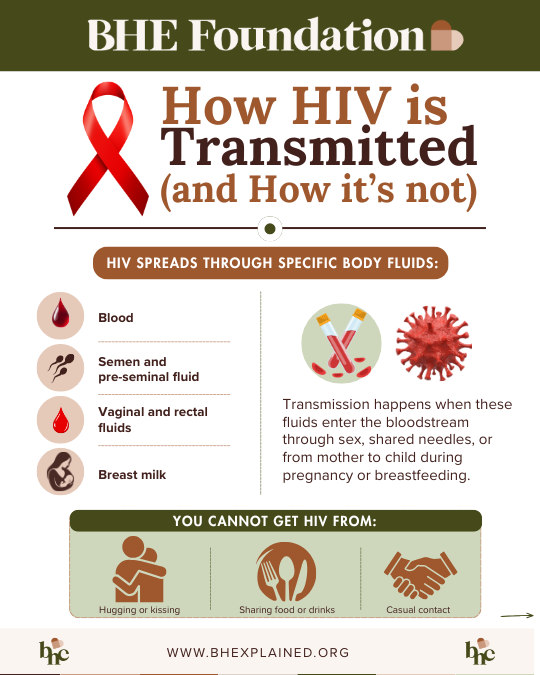
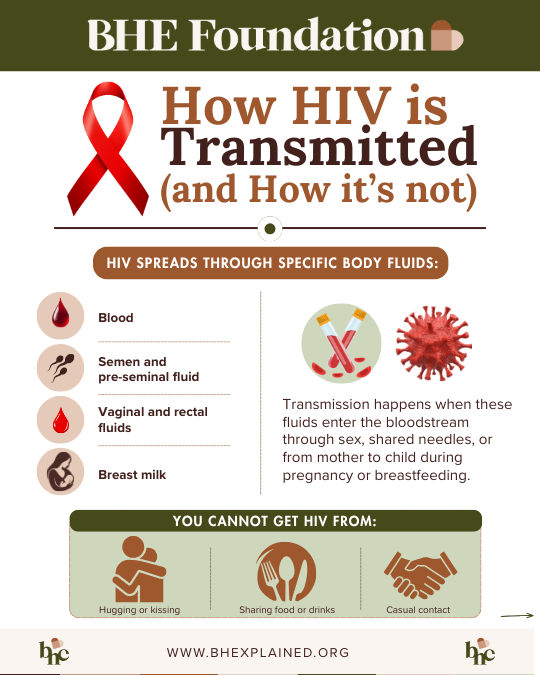
How HIV Is Transmitted (and How It’s Not)
HIV spreads through specific body fluids:
Blood
Semen and pre-seminal fluid
Vaginal and rectal fluids
Breast milk
Transmission happens when these fluids enter the bloodstream through sex, shared needles, or from mother to child during pregnancy or breastfeeding.
You cannot get HIV from:
Hugging or kissing
Sharing food or drinks
Casual contact
Can you contract HIV from an open wound?
While it’s possible, it’s extremely rare to contract HIV from coming into contact through an open wound.
Stages of HIV and What Happens Without Treatment
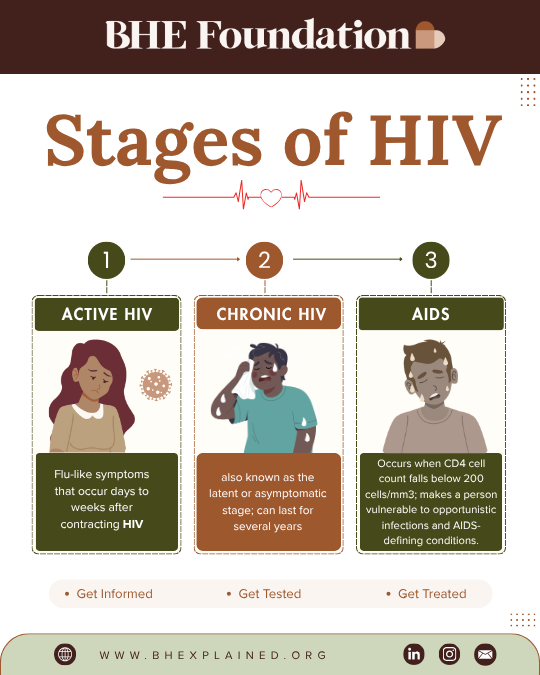
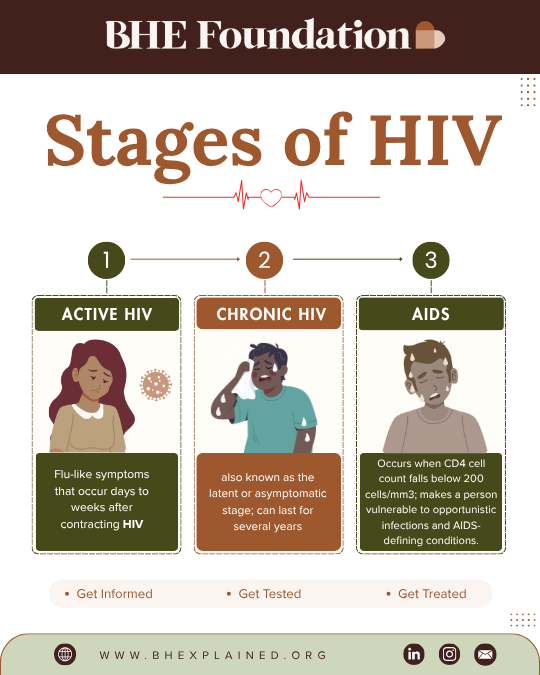
HIV progresses through three stages, and understanding these stages is crucial for effective management and treatment.
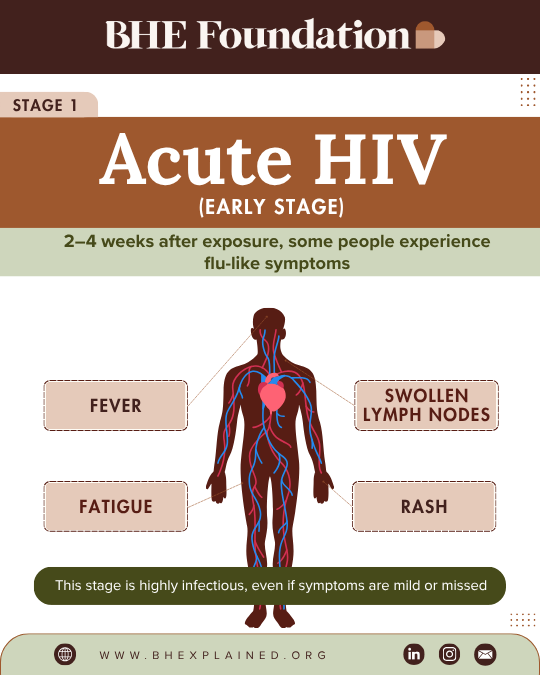
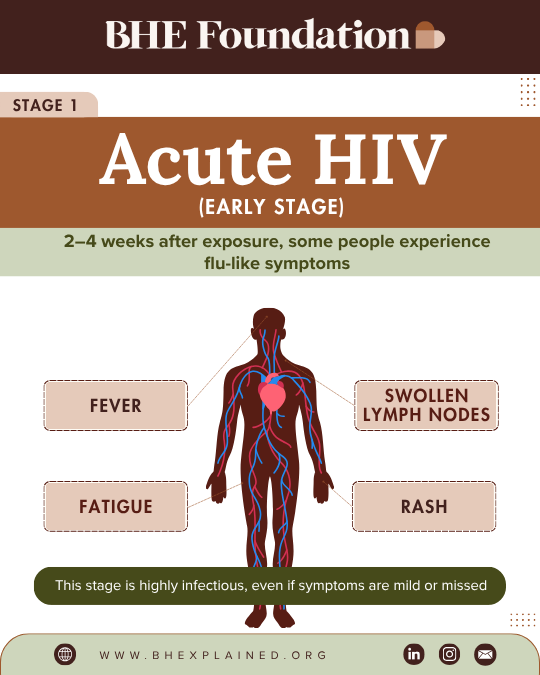
1. Acute HIV (Early Stage)
2–4 weeks after exposure, some people experience flu-like symptoms:
Fever
Fatigue
Rash
Swollen lymph nodes
This stage is highly infectious, even if symptoms are mild or missed.
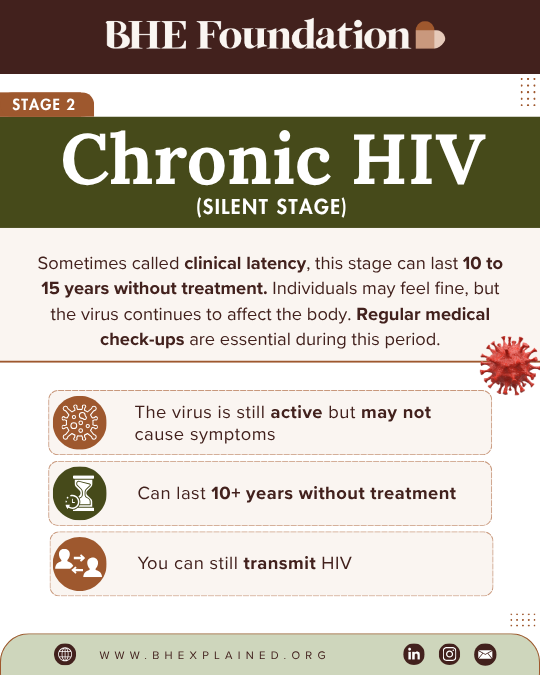
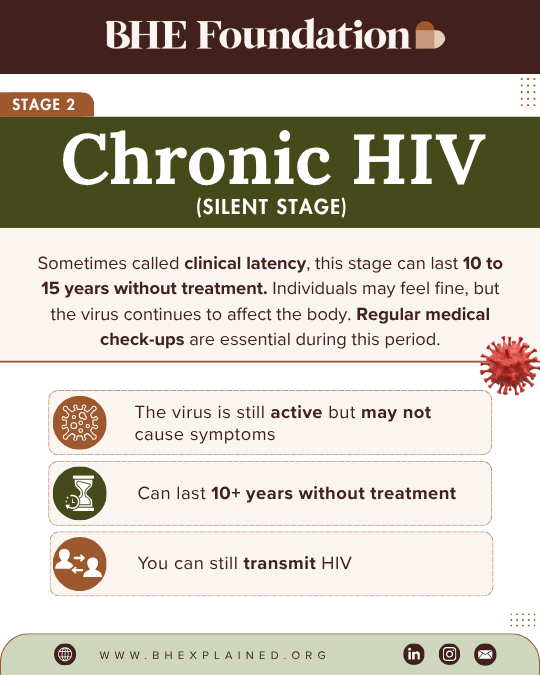
2. Chronic HIV (Silent Stage)
Sometimes called clinical latency, this stage can last 10 to 15 years without treatment. Individuals may feel fine, but the virus continues to affect the body. Regular medical check-ups are essential during this period.
The virus is still active but may not cause symptoms
Can last 10+ years without treatment
You can still transmit HIV
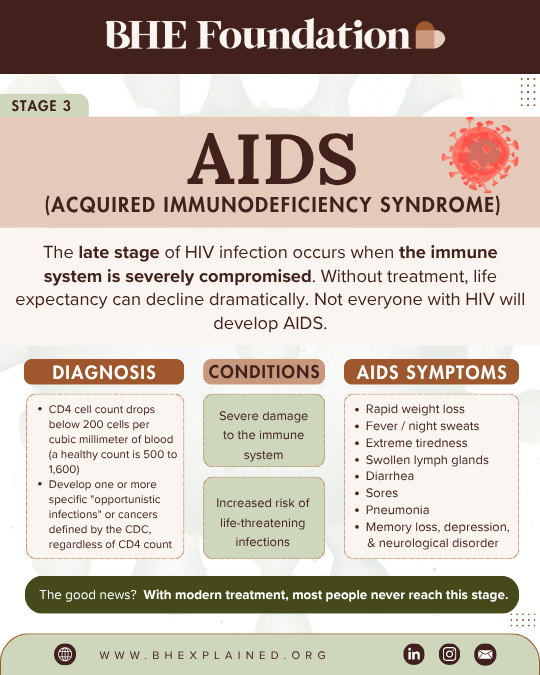
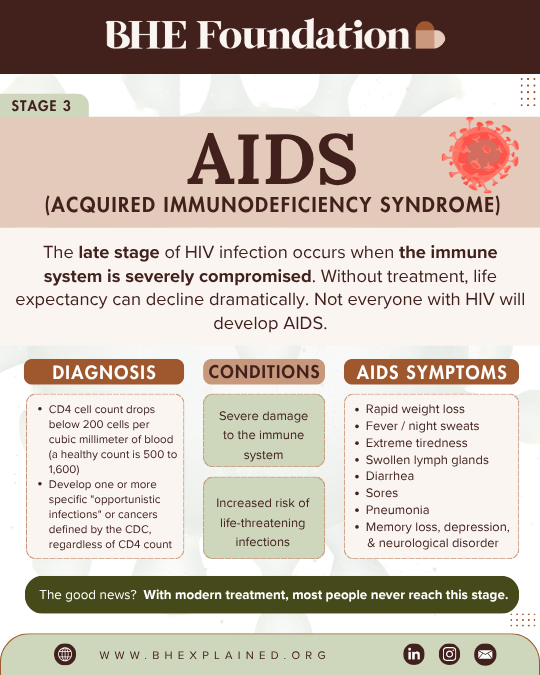
3. AIDS (Advanced Stage)
AIDS (Acquired Immunodeficiency Syndrome) is the late stage of HIV infection occurs when the immune system is severely compromised. Without treatment, life expectancy can decline dramatically. HIV medications are crucial at this stage and can provide life-saving benefits. Not everyone with HIV will develop AIDS.
Severe damage to the immune system
Increased risk of life-threatening infections
How AIDS is Diagnosed
A person is diagnosed with AIDS when they meet at least one of the following criteria:
Their CD4 cell count drops below 200 cells per cubic millimeter of blood (a healthy count is 500 to 1,600).
They develop one or more specific "opportunistic infections" or cancers defined by the CDC, regardless of their CD4 count.
The good news? With modern treatment, most people never reach this stage.
HIV Symptoms: What to Watch For
Some people experience early symptoms, others don’t.
Possible signs include:
Fever and chills
Night sweats
Muscle aches
Fatigue
Swollen lymph nodes
But remember: symptoms don’t confirm HIV—testing does.
Understanding Viral Load
HIV is confirmed and monitored through viral load testing. HIV viral load is the total amount of the virus in your blood. Healthcare providers analyze a blood sample to detect HIV's genetic material, which allows them to determine your viral load. Monitoring your viral load is critical for managing HIV effectively; it helps healthcare providers adjust your treatment plan as needed.
Here’s why it matters:
It confirms whether HIV is in your body
It helps providers track how the virus is responding to treatment
It guides decisions about your care plan
When your viral load becomes very low, it can reach a level that standard tests can’t detect—this is called being undetectable.
And that’s powerful:
👉 Undetectable = Untransmittable (U=U), meaning you can’t pass HIV through sex when your viral load stays undetectable.
You can’t guess your HIV status based on how you feel. Many people don’t have symptoms for years.
👉 The Only Way to Know: Get Tested
The Importance of HIV Testing
The only definitive way to know your HIV status is through testing. Early detection offers numerous health benefits:
- Access to Treatment: Individuals diagnosed with HIV can start antiretroviral therapy (ART) which can effectively manage the virus and lead to an undetectable viral load, making transmission to others virtually impossible.
- Enhancing Life Quality: With appropriate treatment, one can live a long, healthy life while minimizing the risks associated with HIV.
HIV Treatment = Real Power
HIV is no longer a death sentence.
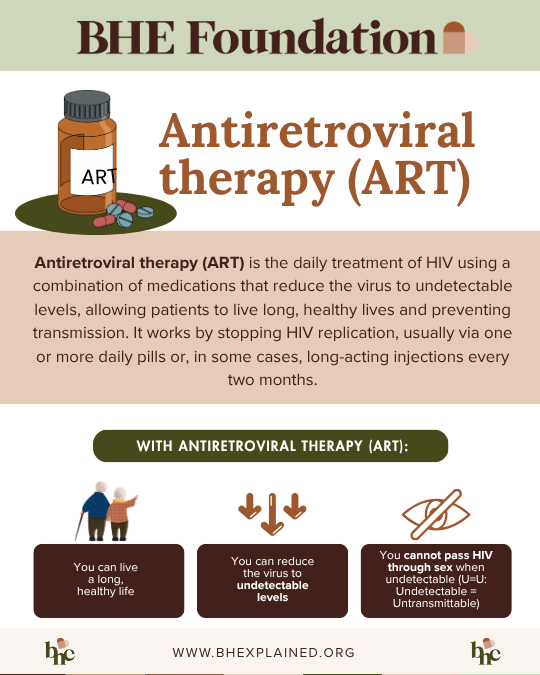
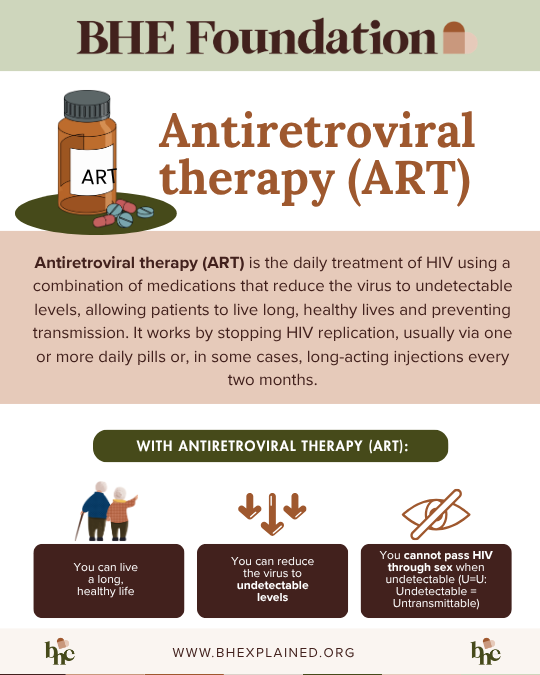
With antiretroviral therapy (ART):
You can live a long, healthy life
You can reduce the virus to undetectable levels
You cannot pass HIV through sex when undetectable (U=U: Undetectable = Untransmittable)
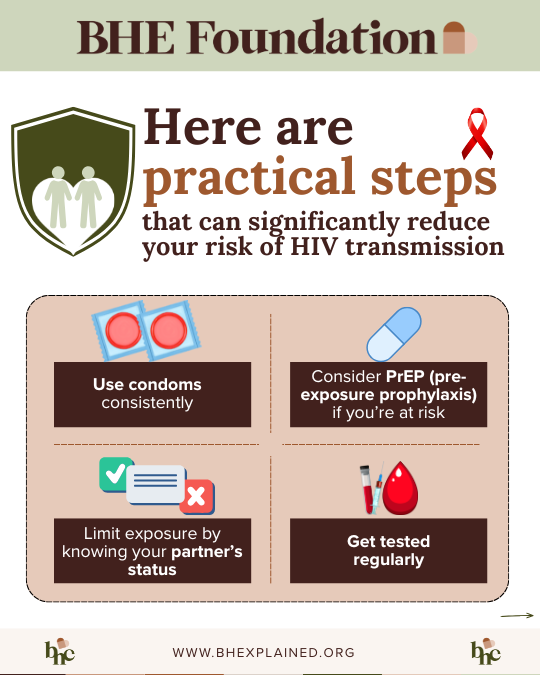
Here are practical steps that can significantly reduce your risk of HIV transmission:
- Use Condoms: When used consistently and correctly, condoms are highly effective in preventing the transmission of HIV and other sexually transmitted infections.
- Consider PrEP: Pre-exposure prophylaxis (PrEP) can be an effective option for those at high risk of acquiring HIV.
- Limit Partners: Reducing the number of sexual partners decreases the risk of exposure.
Get tested regularly!
HIV and Pregnancy: Starting Early for Healthier Outcomes
If you're pregnant or planning to conceive, get tested for HIV early in your pregnancy. Knowing your HIV status is critical for both your health and that of your baby. Appropriate treatment significantly reduces the chance of transmitting HIV during pregnancy and childbirth.
With proper care, the risk of passing HIV to your baby can be less than 1%.
Together We Can Make a Difference
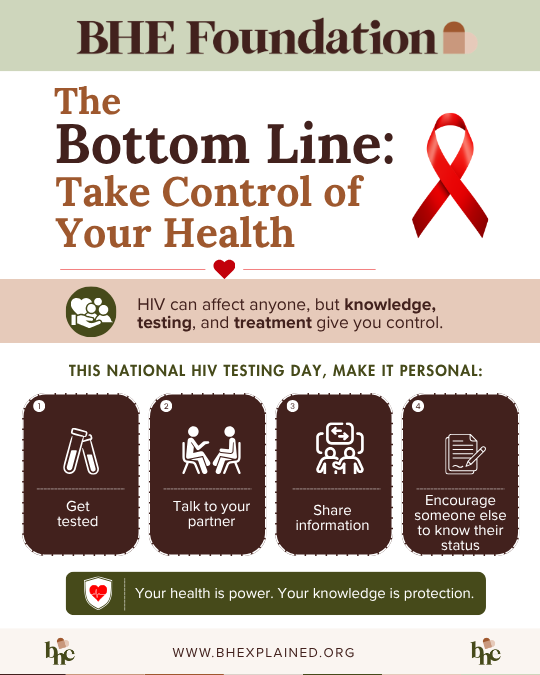
As we commemorate National HIV Testing Day, let us challenge stigma and ensure that everyone has access to knowledge, testing, and resources for living healthier lives. Remember, knowing your status is not just about you; it can positively impact your loved ones and community.
Ending HIV in Black communities isn’t just about medicine—it’s about equity.
We need:
Culturally competent healthcare
More Black providers and advocates
Community-based education
Open, judgment-free conversations
Because stigma delays testing.
Silence spreads misinformation.
And access saves lives.

Know Your Risk. Know Your Numbers. Know Your Options.
Prostate health is about more than waiting for symptoms to appear. Knowing your risk factors and having an informed conversation with a healthcare provider can help you make decisions about screening and treatment.
Men should talk with their healthcare provider about prostate cancer risk, particularly if they are older, have a family history of prostate cancer, or are Black.
Your prostate health is part of your overall health—and knowing what is normal for you can help you recognize when something has changed.