
Staying Cool, Staying Safe: Heat Risks in Our Neighborhoods
Extreme Heat Is More Than an Inconvenience—It's a Public Health Emergency.
Every summer brings longer days, family cookouts, beach trips, music festivals, and neighborhood gatherings. But behind the excitement of the season lies a growing public health emergency that many Americans underestimate.
Extreme heat is now the deadliest weather-related hazard in the United States, causing more deaths each year than hurricanes, tornadoes, or floods. As temperatures continue to rise due to climate change, heat-related illnesses are becoming more common - but they are not affecting every community equally.
For many Black Americans, the risk extends beyond the weather itself. Historic housing policies, neighborhood design, and unequal access to green spaces have created environments that trap heat, increasing the likelihood of heat exhaustion, heat stroke, and other serious health complications.
In this week's Health Equity Monday, we're exploring why extreme heat has become an important health equity issue, what Urban Heat Islands are, how to recognize the warning signs of heat exhaustion and heat stroke, and the practical steps you can take to protect yourself, your loved ones, and your community.
Why Extreme Heat Is a Public Health Crisis
Extreme heat is no longer considered just a seasonal inconvenience, it's a growing public health emergency.
According to public health experts, prolonged exposure to high temperatures can place significant stress on nearly every organ system in the body. Heat can worsen chronic conditions such as hypertension, diabetes, asthma, kidney disease, and heart disease, while also increasing the risk of dehydration, heat exhaustion, and heat stroke.
Recent heat waves across the United States have strained emergency departments, with hospitals reporting thousands of heat-related illnesses in just a few days. As climate change contributes to more frequent and longer-lasting periods of extreme heat, health experts expect these numbers to continue increasing.
The greatest concern is that heat-related illnesses are largely preventable—yet they continue to claim lives every year.
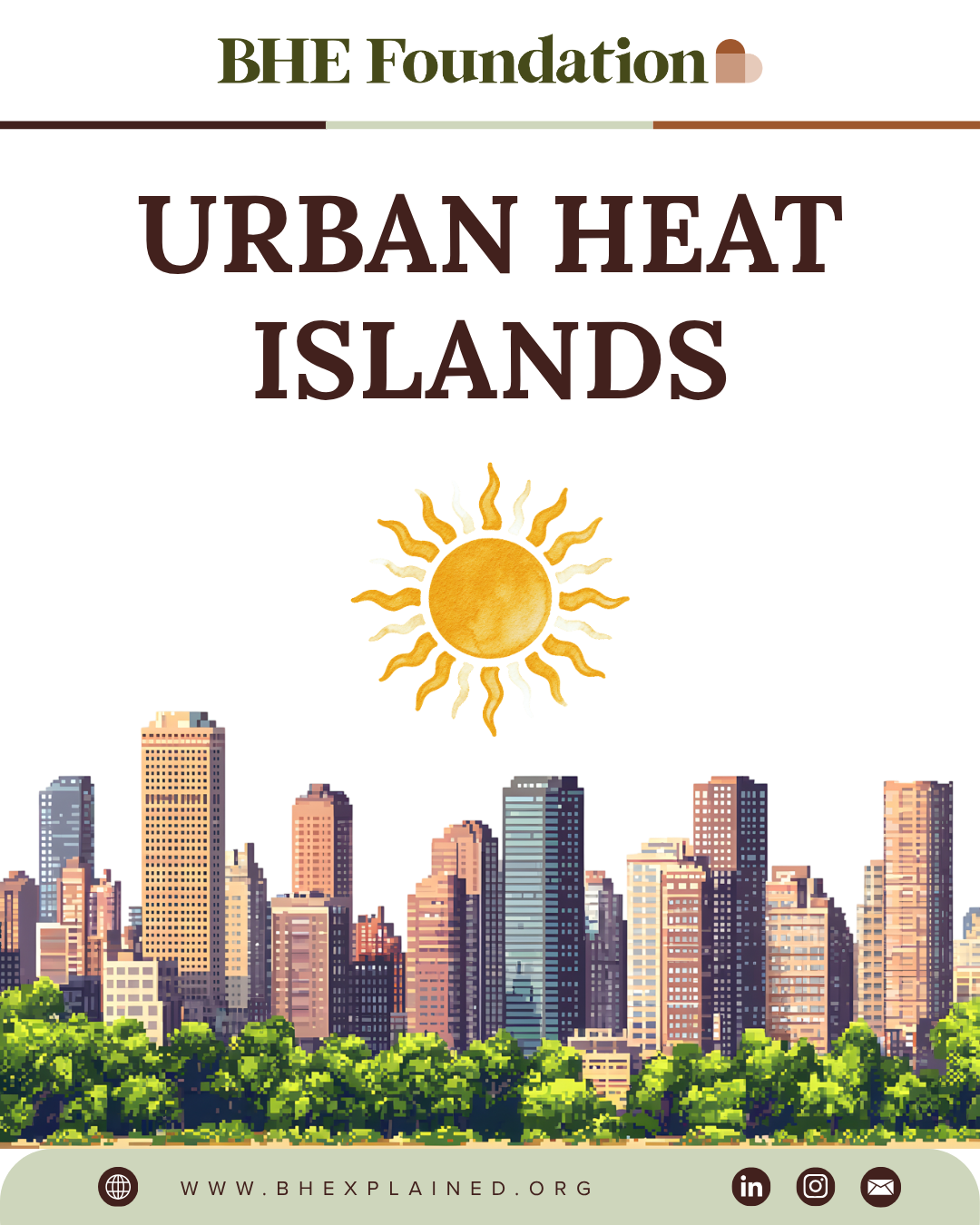
Understanding Urban Heat Islands: Why Some Neighborhoods Are Hotter Than Others
One reason some communities experience greater heat-related illness is a phenomenon known as the Urban Heat Island (UHI) effect.
Urban Heat Islands occur when neighborhoods with large amounts of concrete, asphalt, rooftops, and limited tree coverage absorb and retain heat throughout the day. Even after sunset, these materials continue releasing stored heat, keeping temperatures significantly higher than surrounding suburban or rural areas.
In many cities, neighborhoods can be 5–10°F hotter than nearby communities simply because of how they were built.
Unfortunately, many predominantly Black neighborhoods are more likely to experience this effect.
This isn't accidental.
Decades of discriminatory housing policies—including redlining and unequal investment in infrastructure—resulted in many Black communities having fewer parks, fewer trees, older housing, and less access to cooling resources. These environmental differences continue to influence health outcomes today.
Researchers have found that these hotter neighborhoods experience:
More heat-related emergency department visits
Higher electricity costs from increased air conditioning use
Poorer air quality
Increased exposure to ozone pollution
Greater risk of cardiovascular and respiratory illness
Studies also show that Black Americans die from heat-related illnesses at disproportionately higher rates than White Americans, highlighting how environmental conditions and long-standing policy decisions continue to shape health outcomes.
Heat equity is not simply about weather—it is about ensuring every community has equal access to safe environments, cooling resources, and healthy living conditions.
Heat Exhaustion: Recognize the Warning Signs Early
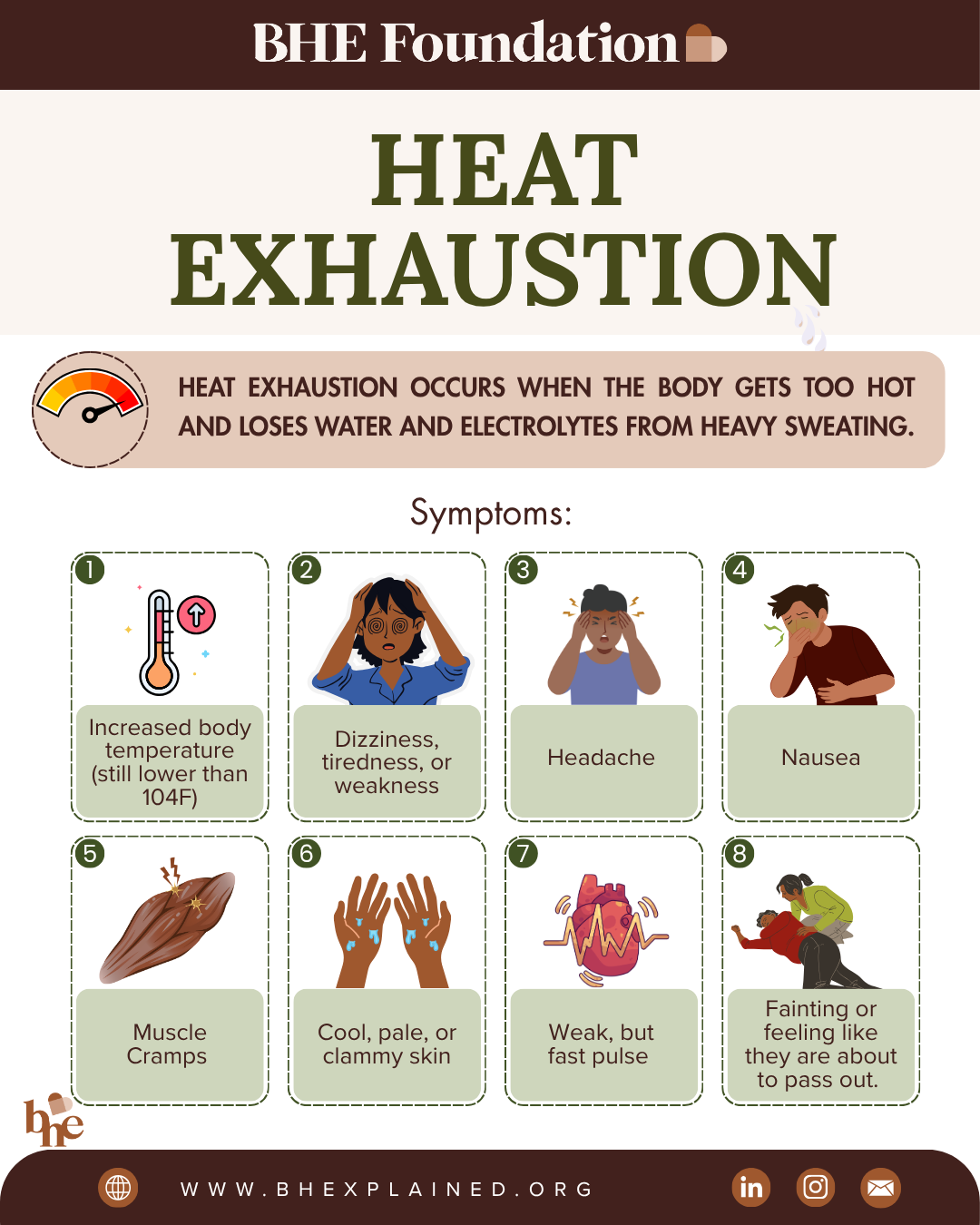
Heat exhaustion develops when your body loses excessive amounts of water and electrolytes through sweating and can no longer regulate its internal temperature effectively.
Without treatment, heat exhaustion can quickly progress to heat stroke.
Common symptoms include:
Heavy sweating
Cool, pale, or clammy skin
Muscle cramps
Fatigue or unusual weakness
Headache
Dizziness or lightheadedness
Nausea or vomiting
Rapid, weak pulse
Fainting or feeling like you may faint
What should you do?
If you or someone around you experiences these symptoms:
Move to a cool or air-conditioned location.
Drink cool water or an electrolyte-containing beverage if the person is alert and able to drink.
Loosen or remove excess clothing.
Apply cool, wet towels or take a cool shower.
Rest until symptoms improve.
If symptoms worsen or do not improve within an hour, seek medical care immediately.
-
People taking medications for high blood pressure, depression, allergies, or certain psychiatric conditions may have a harder time regulating body temperature or staying hydrated. If you take prescription medications, ask your healthcare provider whether extreme heat requires any additional precautions.
Heat Stroke: A Medical Emergency
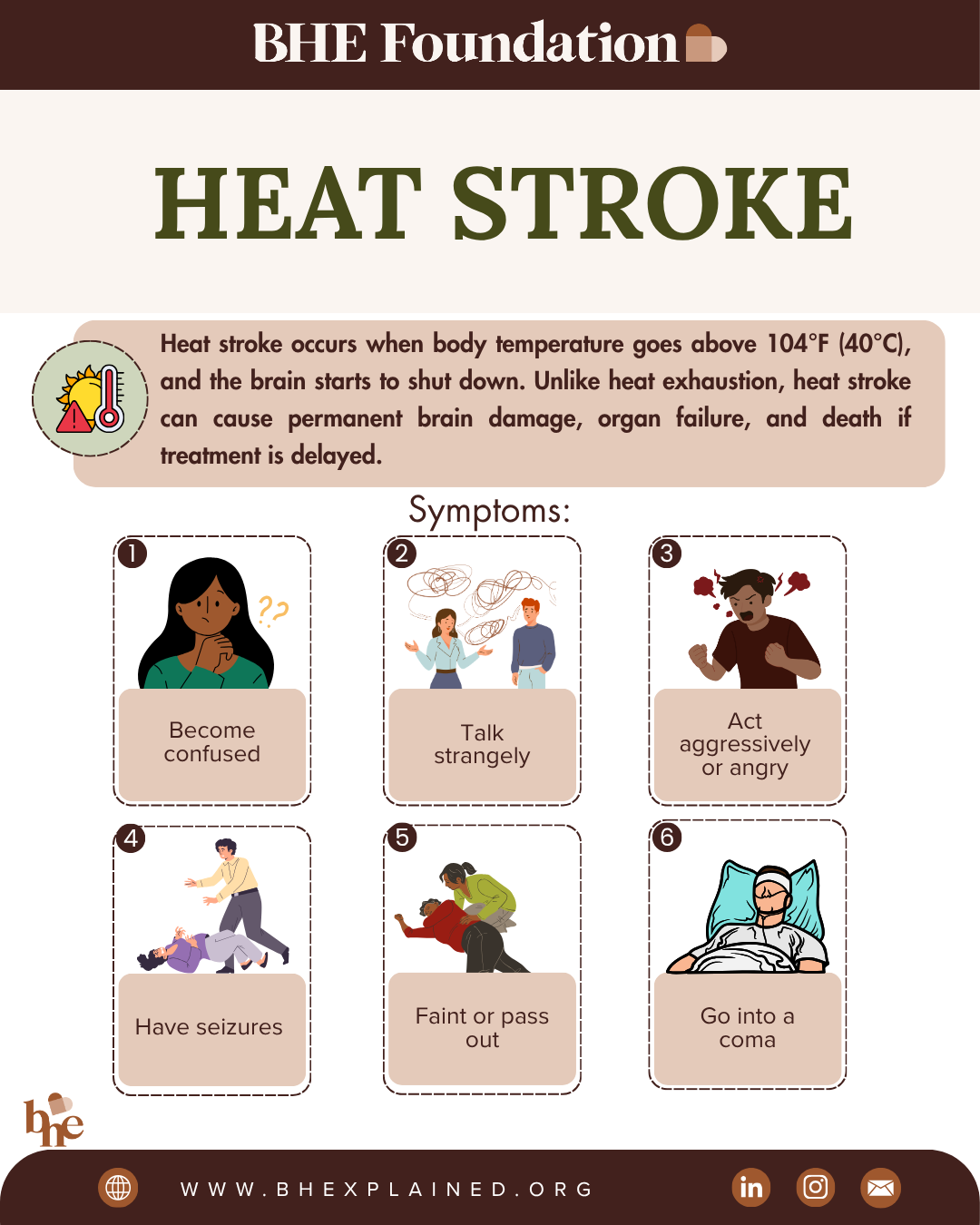
Heat stroke occurs when the body's temperature rises above 104°F (40°C) and it loses the ability to cool itself.
Unlike heat exhaustion, heat stroke can cause permanent brain damage, organ failure, and death if treatment is delayed.
Warning signs include:
Confusion or disorientation
Slurred or unusual speech
Aggressive or irrational behavior
Seizures
Loss of consciousness
Hot, red skin (which may be dry or still sweating)
Rapid, strong pulse
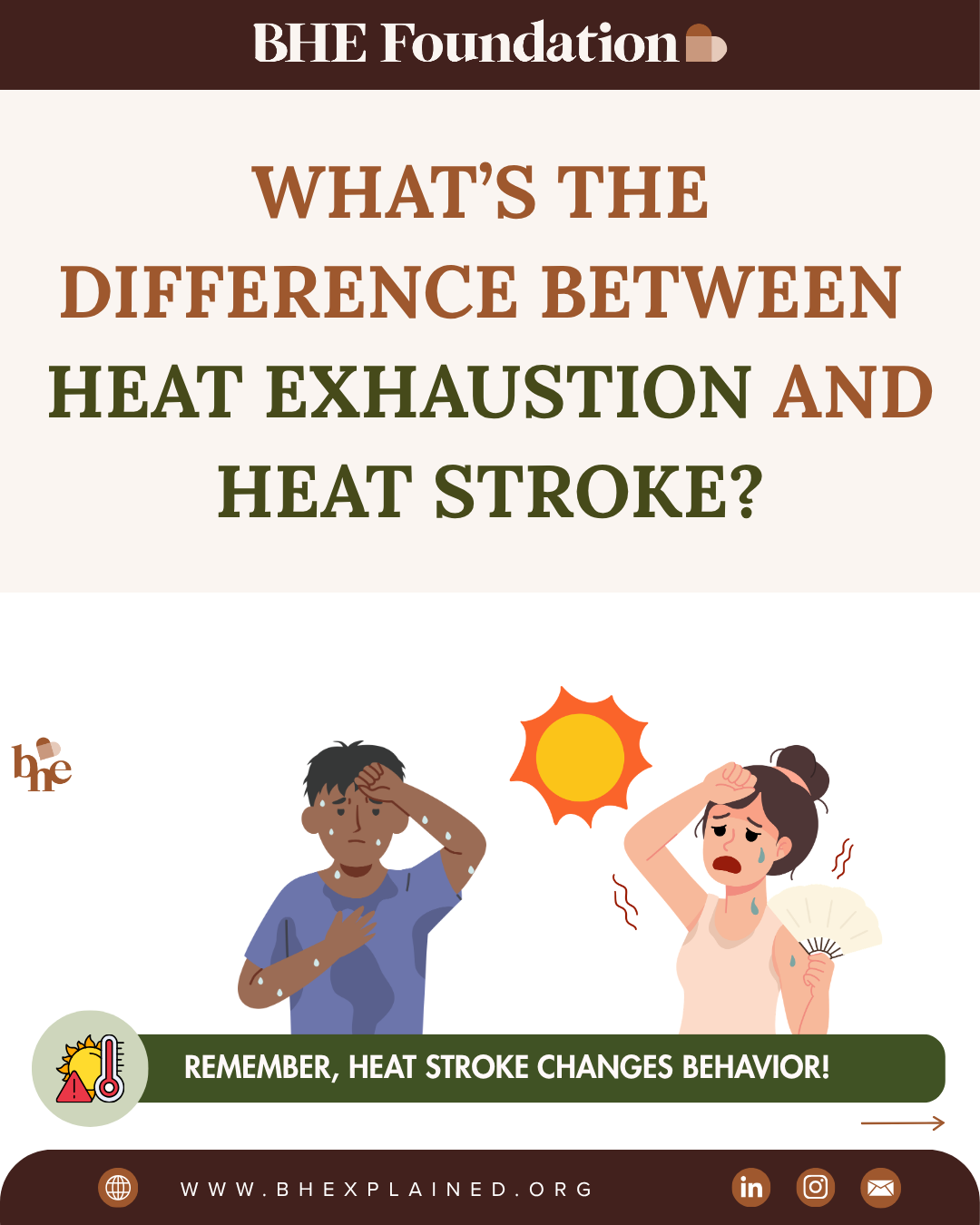
The biggest difference between heat exhaustion and heat stroke is a change in mental status.
If someone becomes confused, cannot answer simple questions, behaves unusually, or loses consciousness, treat it as a medical emergency.
What should you do?
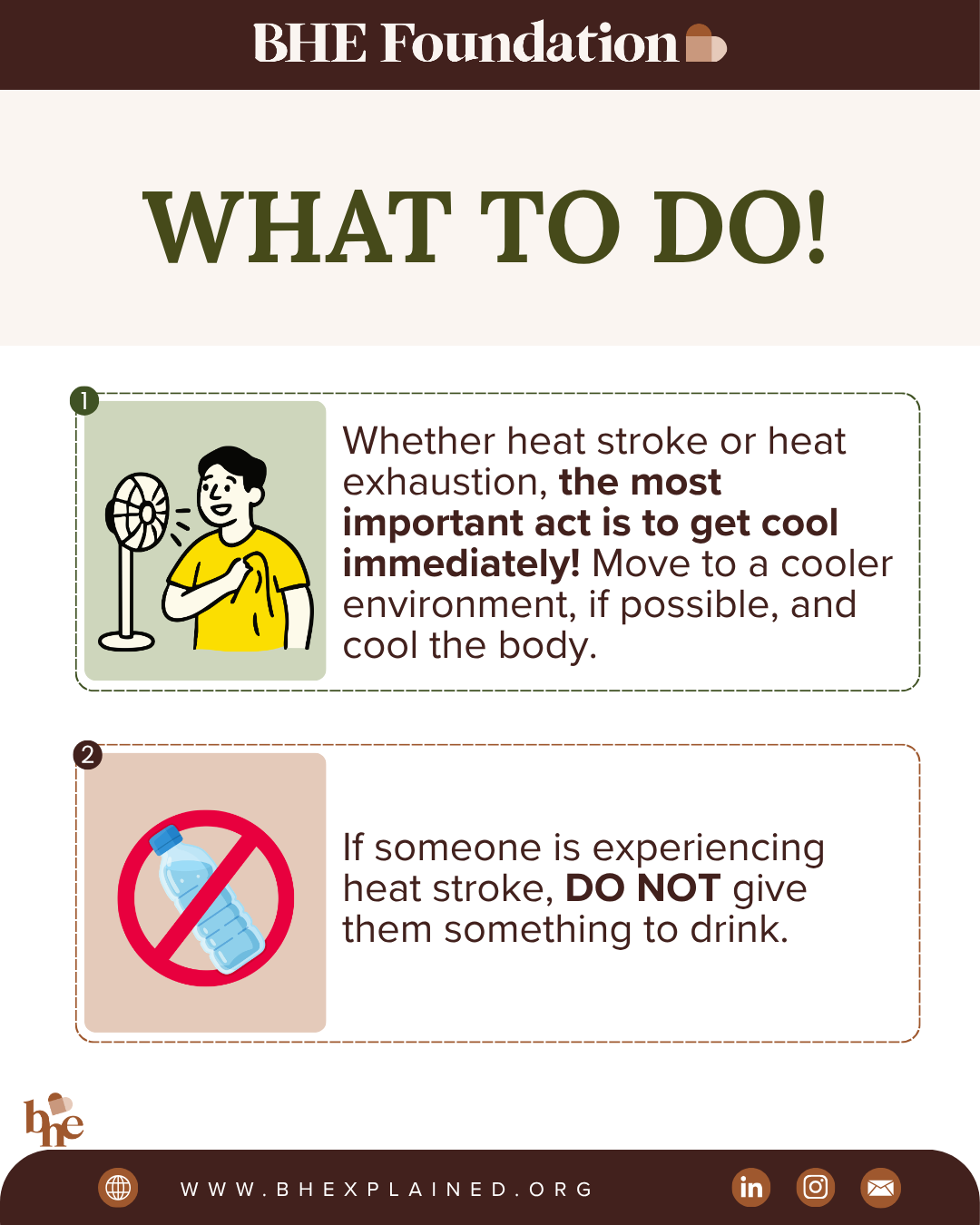
Call 911 immediately.
While waiting for emergency responders:
Move the person into the shade or an air-conditioned space.
Remove unnecessary clothing.
Apply ice packs to the neck, armpits, and groin.
If possible, immerse the person in cold water.
Do not give food or drinks if they are confused, unconscious, or unable to swallow safely.
Every minute matters.
How to Protect Yourself During Extreme Heat
The good news is that most heat-related illnesses can be prevented with a few simple habits.
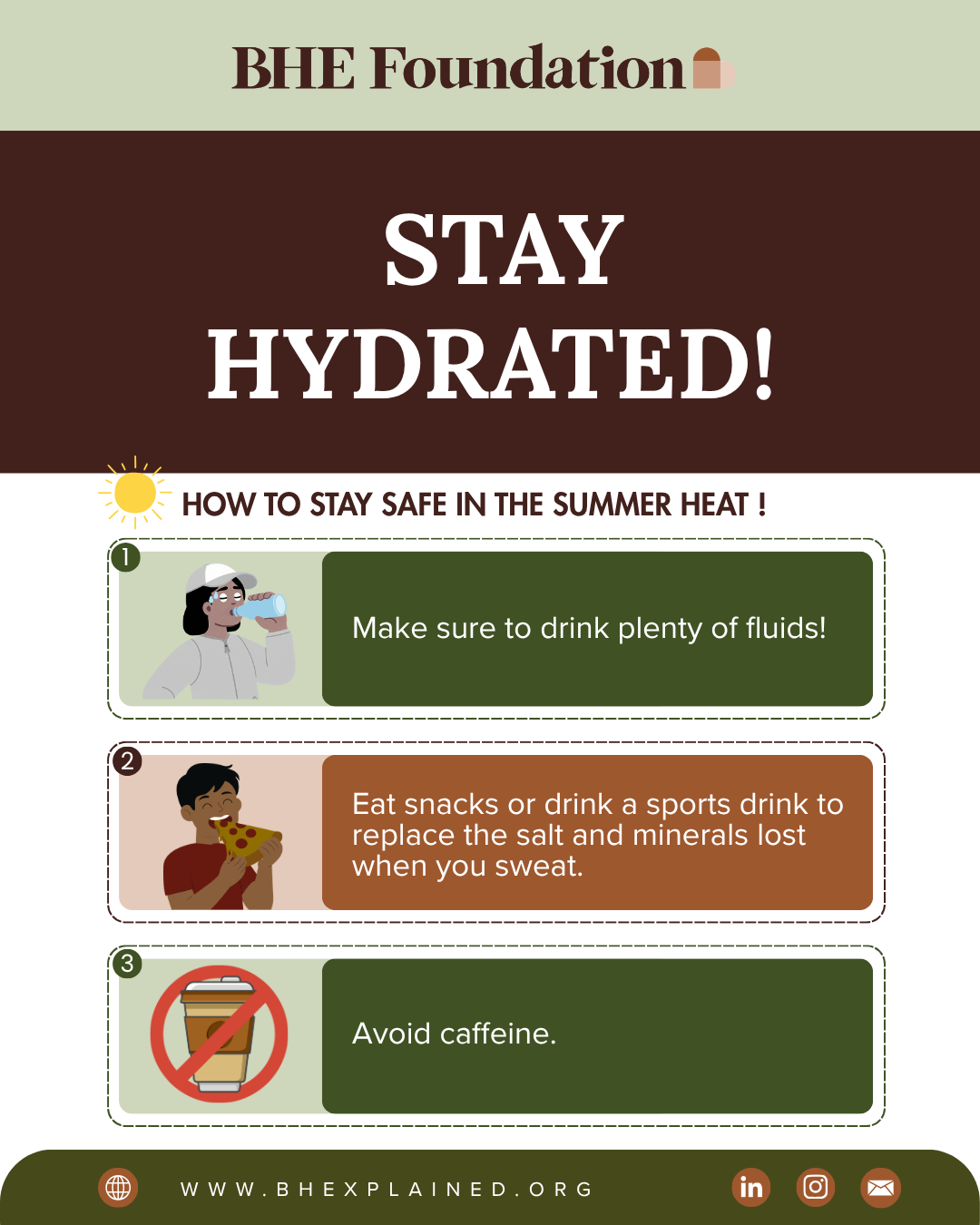
Stay Hydrated
Drink water consistently throughout the day—even before you feel thirsty.
If you're sweating heavily, replace lost electrolytes with sports drinks or electrolyte solutions when appropriate.
Limit alcohol and excessive caffeine, which can contribute to dehydration.
Stay Cool
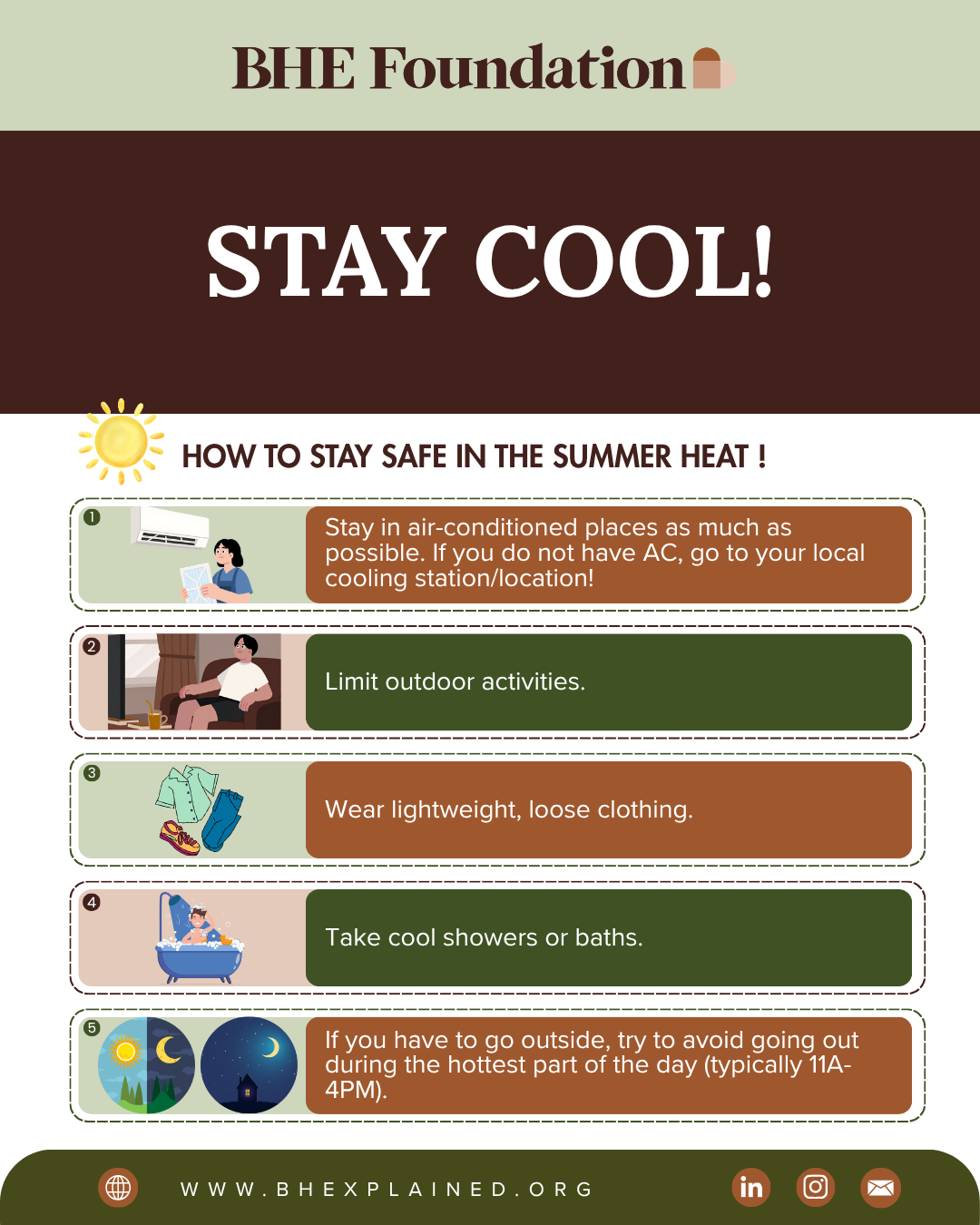
Spend time in air-conditioned buildings whenever possible.
If your home does not have air conditioning, visit a public cooling center, library, shopping mall, or community center.
Wear lightweight, loose-fitting clothing in light colors.
Plan outdoor activities during the early morning or evening when temperatures are lower.
Protect Your Community
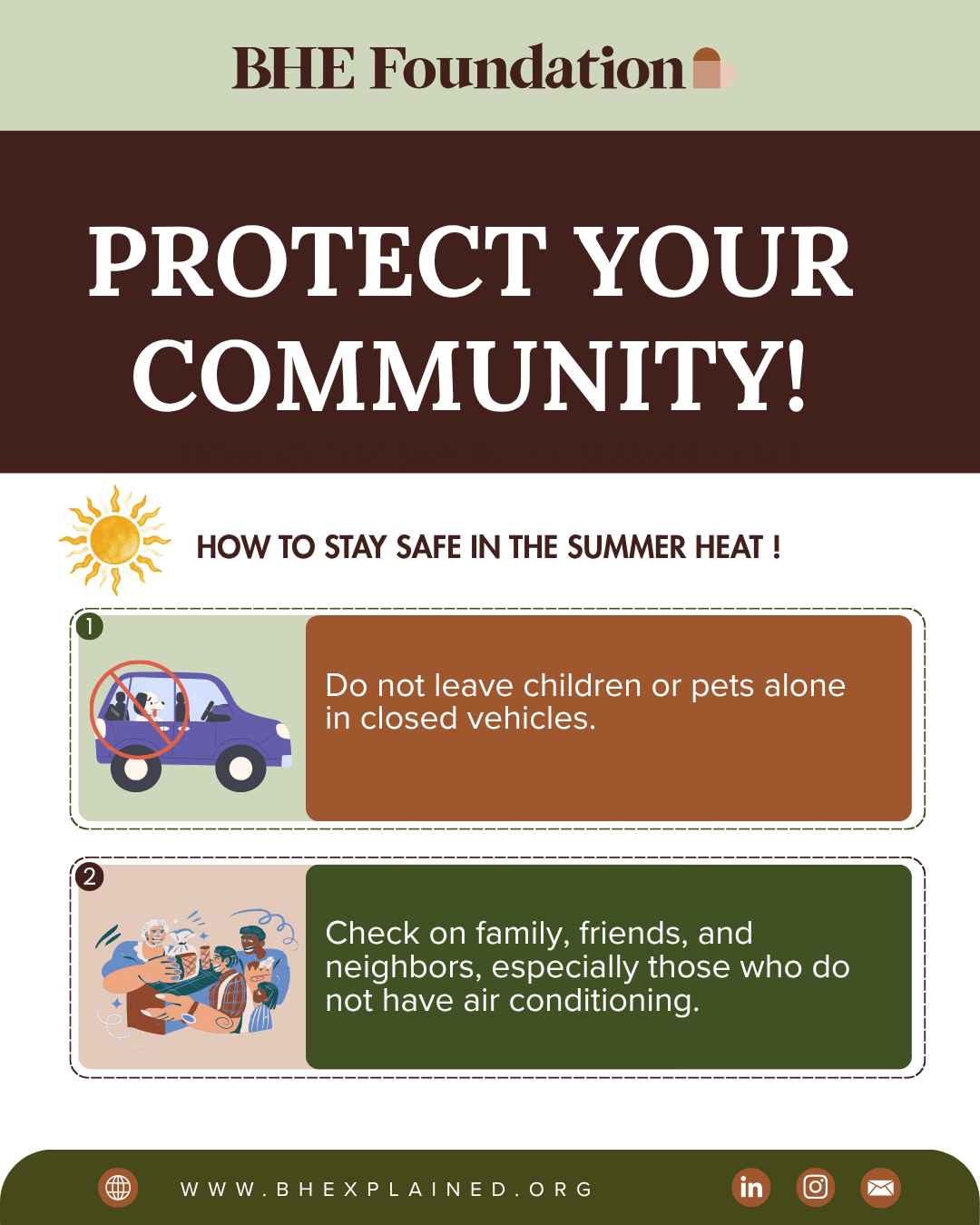
Never leave children, older adults, or pets inside parked vehicles—even for a few minutes.
Check on neighbors, family members, and friends, especially older adults, people with chronic medical conditions, and those living alone.
Offer transportation to cooling centers if someone does not have reliable transportation. Community care saves lives.
Key Takeaways
Extreme heat is more than uncomfortable—it is an increasingly serious public health threat. While everyone can be affected, Black communities often face greater risks because of environmental and structural factors such as Urban Heat Islands, limited access to green space, and historic inequities in neighborhood investment.
Recognizing the early signs of heat exhaustion, understanding when heat stroke becomes a medical emergency, and taking preventive measures can save lives. This summer, prioritize hydration, seek cool environments during extreme heat, and check on family, friends, and neighbors who may be especially vulnerable.
Staying safe isn't just about protecting yourself—it's about strengthening the health of your entire community.
FREQUENTLY ASKED QUESTIONS
-
Heat exhaustion causes heavy sweating, weakness, and dizziness, while heat stroke causes confusion, loss of consciousness, seizures, or a body temperature above 104°F. Heat stroke is always a medical emergency.
-
Older adults, infants, outdoor workers, athletes, pregnant individuals, people with chronic illnesses, and those living in neighborhoods with limited tree coverage or inadequate access to cooling resources.
-
Yes. You can still develop heat exhaustion if you're exposed to high temperatures for extended periods or lose large amounts of electrolytes through sweating. Staying hydrated helps, but taking breaks, cooling your body, and limiting heat exposure are equally important.

Know Your Risk. Know Your Numbers. Know Your Options.
Prostate health is about more than waiting for symptoms to appear. Knowing your risk factors and having an informed conversation with a healthcare provider can help you make decisions about screening and treatment.
Men should talk with their healthcare provider about prostate cancer risk, particularly if they are older, have a family history of prostate cancer, or are Black.
Your prostate health is part of your overall health—and knowing what is normal for you can help you recognize when something has changed.