Peanut & Tree Nut Allergies: Hidden Risks Every Adult Should Know
As we wrap up our 3-part allergy series, let’s talk about something that can go from mild to life-threatening real quick: peanut and tree nut allergies. Whether you’re grabbing takeout in DC, hitting a cookout in Prince George’s County, or stopping by a festival in Virginia—this is important and info you should know.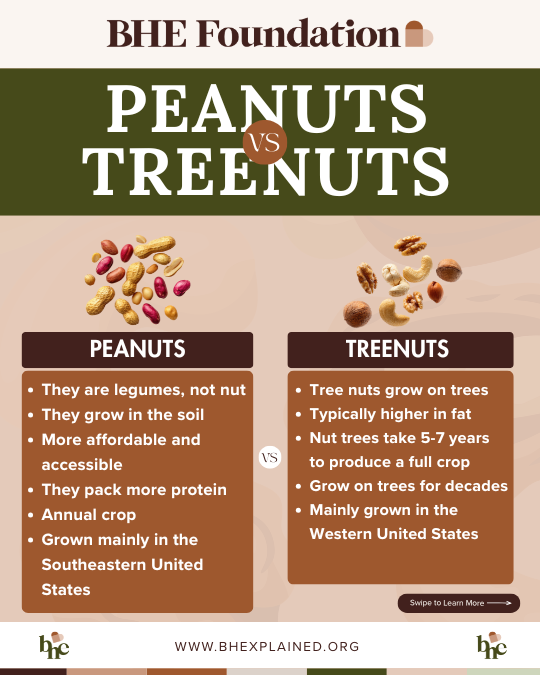
A food allergy happens when your immune system treats a harmless food like a threat. While many people associate them with children, these allergies can persist into adulthood or even develop later in life. With nut allergies, even a small exposure can trigger symptoms. Peanut and tree nut allergies are among the most well-known—and most dangerous—food allergies.
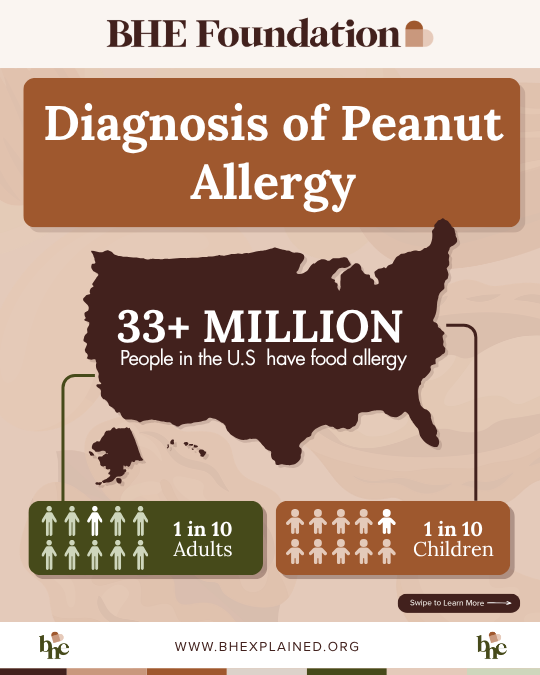
Studies published in 2018 and 2019 based on various census reports, annual medical screens, and health insurance reports, can be used to estimate the current number of U.S. children and adults who are allergic to specific foods. According to this study, about 6.2 million people have peanut allergies while 3.9 million people have tree nut allergies. Most people don’t outgrow nut allergies: Only ~20% outgrow peanut allergies and only ~10% outgrow tree nut allergies.
Understanding the difference and knowing where risks exist can help prevent serious reactions.
Peanut vs. Tree Nut: What’s the Difference?
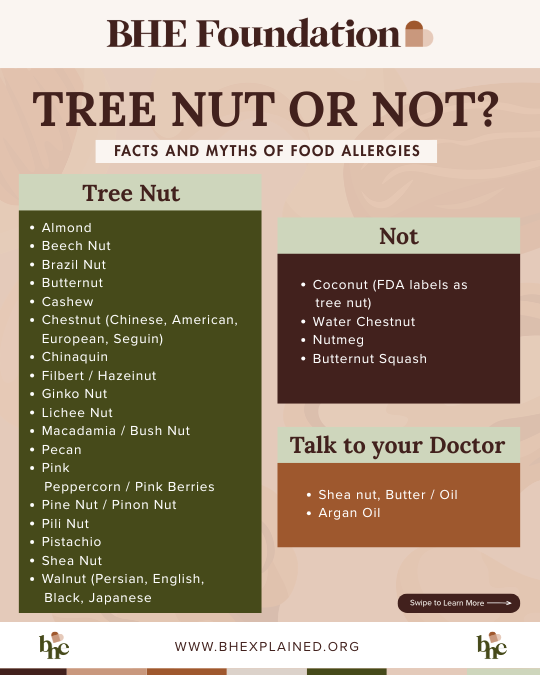
Although often grouped together, peanuts and tree nuts are not the same:
Peanuts are legumes (related to beans and lentils)
Tree nuts grow on trees
Seeds (sesame, sunflower, coconut)
Common Tree Nuts:
Almonds
Walnuts
Cashews
Pecans
Pistachios
Important: Being allergic to peanuts doesn’t always mean you’re allergic to tree nuts or seeds—but many people avoid all for safety.
Why This Matters for Black Adults
Food allergies are increasing across the U.S., but the rise has been faster among Black Americans.
· Food allergies in children have increased 50% over time
· Black children are at a higher risk of developing food allergies
· In urban areas like the DMV, rates are higher than in rural communities
Peanut and tree nut allergies are among the top food allergens in the U.S.
They are a leading cause of severe allergic reactions and anaphylaxis
Along with shellfish, they are among the most common allergies in adults
This hits close to home when you think about how often food is central to our culture—family functions, brunch spots, food trucks, and carryouts.
Symptoms to Watch For
Symptoms can appear quickly after exposure:
Hives or skin reactions
Swelling of lips, face, or throat
Stomach pain, nausea, or vomiting
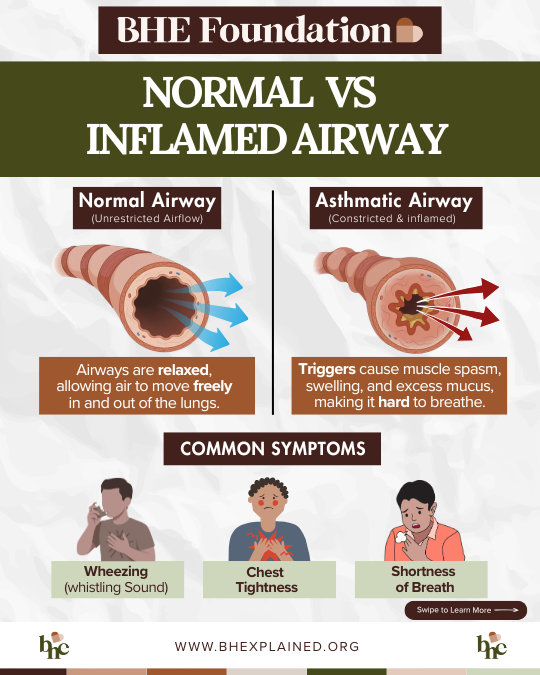
Difficulty breathing
Dizziness or fainting
Even small amounts can trigger a reaction.
Hidden Sources of Nuts
Nuts can appear in foods you might not expect:
Baked goods and desserts
Sauces (like peanut sauce or mole)
Protein bars and snacks
Ice cream and candy
Some African, Asian, and fusion dishes
· Some fast-food chains cook with peanut oil (Chick-Fil-A and Five Guys)
· Cross-contact in kitchens (shared utensils, fryers, slicers)
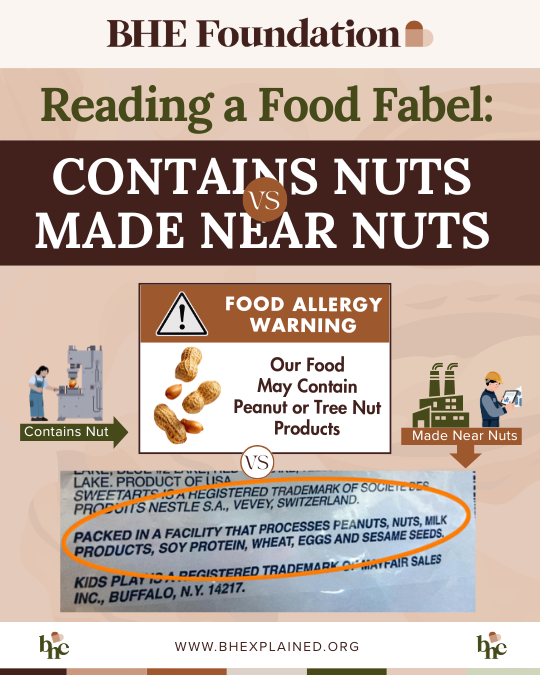
· Packaged foods with “may contain” labels
-
Cross-contact during food preparation is also a major risk. Did you know that some premade cakes from Wal-Mart, Sam’s Club, and/or BJ’s contains traces of nuts?
Prevention & Daily Safety Tips
Always read ingredient labels carefully
Ask about food preparation when dining out
Avoid foods with unclear labeling
Inform others about your allergy
If diagnosed:
Carry two epinephrine auto-injectors at all times
Have an emergency action plan
Treatment Options
While there is no cure, management may include:
Antihistamines for mild reactions
Epinephrine for severe reactions
Immunotherapy (in some cases, under medical supervision)
Why This Matters in the DMV
With diverse cuisines and dining options across the DMV, nut exposure can happen in unexpected ways.
Whether eating out, attending events, or trying new foods, staying informed helps reduce risk.
DMV Fun Fact (But Be Careful!)
Did you know peanuts are a big deal right here in Virginia? The Planters Peanut plant in Suffolk, VA is ranked number 8 in the country for peanut production. There’s even an annual festival celebrating them. Fun—but definitely not the place to be if you have a peanut allergy.
Gut Health & Allergies
Some food allergies are linked to eosinophilic gastrointestinal diseases, where certain white blood cells build up in the digestive system. This can cause:
· Stomach pain
· Nausea
· Inflammation
Treatment may include diet changes or medication.
Know Your Rights
Food allergies can qualify as a disability under:
· The Americans with Disabilities Act (ADA)
· Section 504 of the Rehabilitation Act
This means protections at work, school, and public spaces.
Final Thoughts
Food allergies—especially to shellfish and nuts—can be serious, unpredictable, and lifelong.
But with the right knowledge, preparation, and awareness, you can protect your health and still enjoy your lifestyle.