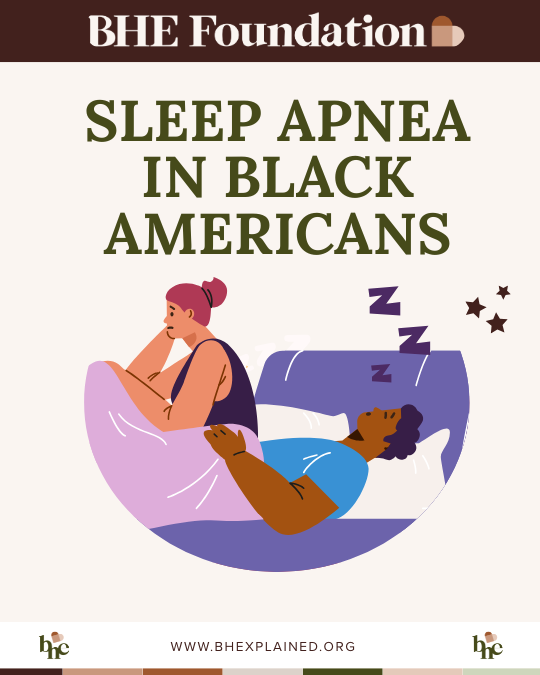
Sleep Apnea in Black Americans
Why Better Sleep Could Be One of the Most Important Health Equity Conversations Happening Right Now
You may joke about a family member’s loud snoring at reunions or hear someone say they “sleep hard” every night. But chronic loud snoring, waking up exhausted, or gasping for air during sleep may be signs of something far more serious: sleep apnea.
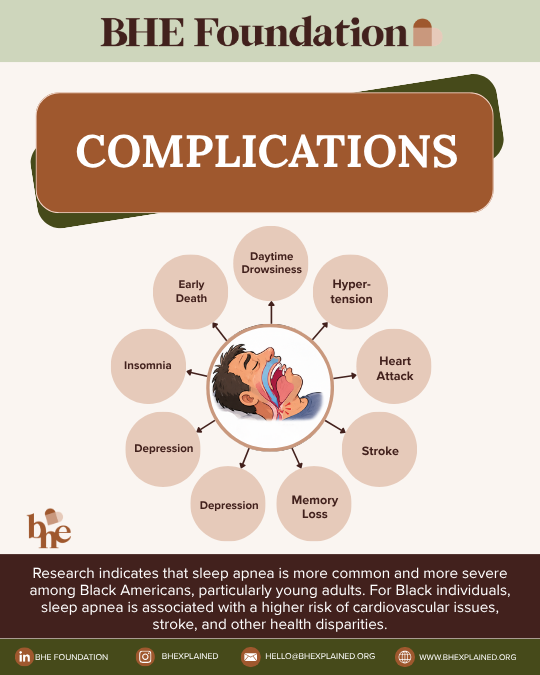
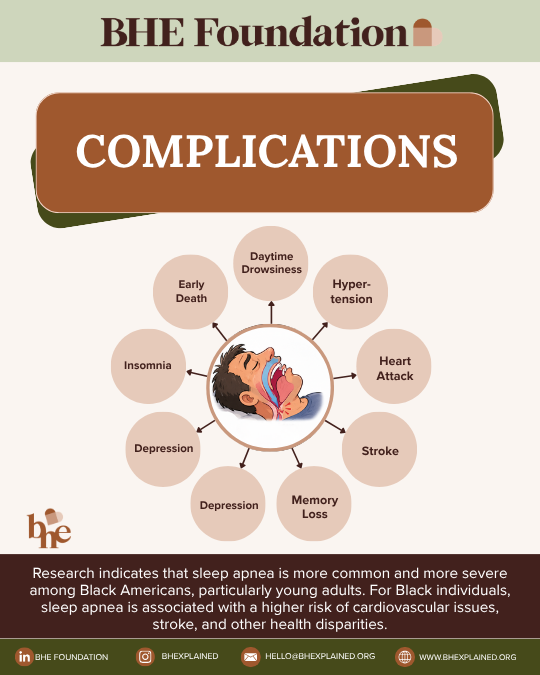
Sleep apnea is more than a sleep issue. It is a chronic medical condition linked to high blood pressure, stroke, heart disease, diabetes, depression, and early death. For Black Americans, the risks are even more concerning. Research shows Black adults are more likely to experience shorter sleep duration, poorer sleep quality, and more severe obstructive sleep apnea at younger ages compared to other racial groups.
Despite how common sleep apnea is, it often goes undiagnosed in Black communities. Many people normalize symptoms like loud snoring, daytime fatigue, headaches, or waking up tired. Others may not have access to sleep specialists, health insurance, or culturally informed healthcare providers who recognize the warning signs early.
The reality is simple: sleep is healthcare. And untreated sleep apnea can quietly damage the body for years before diagnosis.
What is Sleep Apnea?
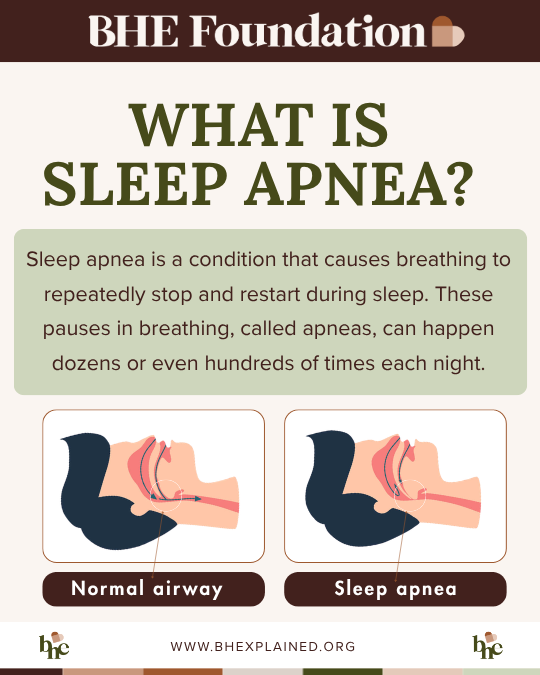
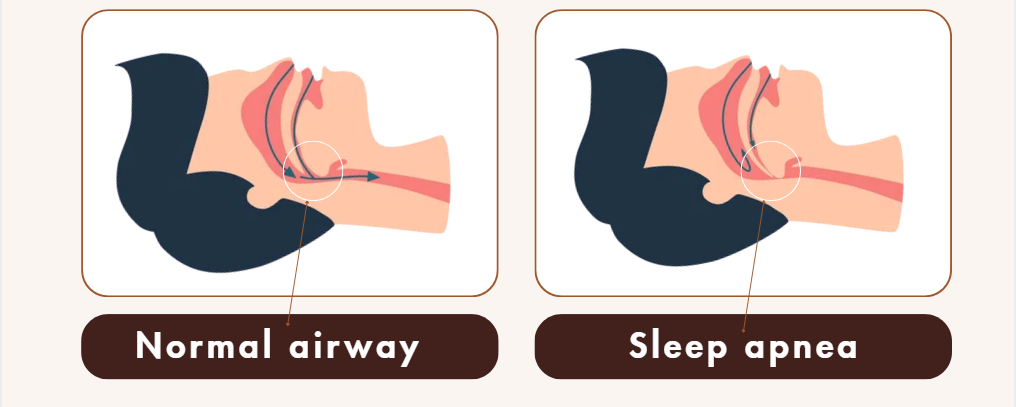
Sleep apnea is a condition that causes breathing to repeatedly stop and restart during sleep. These pauses in breathing, called apneas, can happen dozens or even hundreds of times each night.
During an apnea episode, oxygen levels in the blood drop while carbon dioxide levels rise. The brain briefly wakes the body up to restart breathing, often without the person remembering it. This repeated cycle interrupts deep, restorative sleep and places stress on the heart, brain, and blood vessels.
Many people with sleep apnea wake up feeling exhausted even after spending eight or more hours in bed.
One global study estimates that nearly 1 billion adults between ages 30 and 69 have obstructive sleep apnea, making it one of the most common chronic sleep disorders worldwide.
Types of Sleep Apnea
Obstructive Sleep Apnea (OSA)
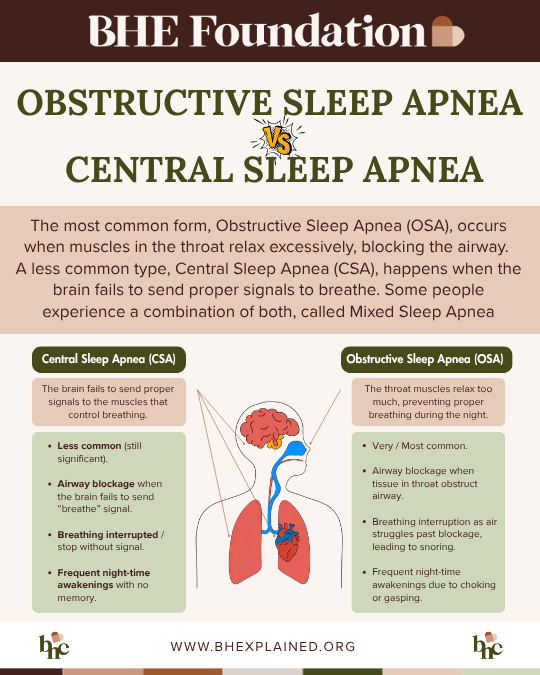
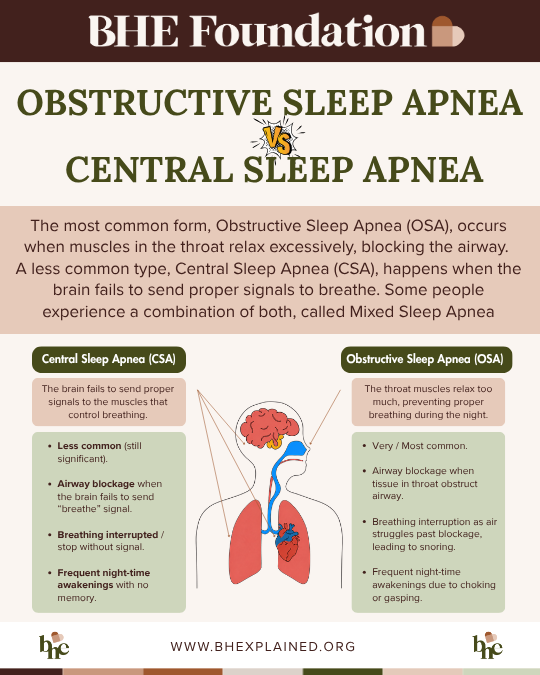
Obstructive sleep apnea is the most common form. It occurs when the muscles in the throat relax during sleep, causing the airway to narrow or collapse.
This can lead to:
Loud snoring
Choking or gasping during sleep
Interrupted breathing
Poor oxygen flow
OSA is strongly linked to obesity, enlarged tonsils, nasal obstruction, smoking, and alcohol use. However, people of all body sizes can develop obstructive sleep apnea.
Central Sleep Apnea (CSA)
Central sleep apnea happens when the brain fails to send proper signals to the muscles that control breathing.
Unlike OSA, the airway is not physically blocked. Instead, breathing temporarily stops because the brain does not trigger the body to breathe.
CSA is more commonly associated with:
Heart failure
Stroke
Opioid medications
Neurological conditions
Complex or Mixed Sleep Apnea
Complex sleep apnea is a combination of obstructive and central sleep apnea.
Who’s at Risk?
Sleep apnea affects people of all ages, genders, and body types, but certain factors increase the risk:
Obesity: Excess weight deposits fat around the neck, narrowing the airway.
Anatomical features: Large tonsils, a thick neck, or a deviated septum can block airflow.
Gender: Men are 2-3 times more likely to develop sleep apnea, especially before age 50.
Age: The risk increases with age.
Family history: Genetics play a role.
Lifestyle factors: Alcohol, sedatives, smoking, and poor sleep habits.
Men are more likely to be diagnosed earlier in life, though risk increases for women after menopause. Black Americans face additional risk factors, such as higher rates of obesity, hypertension, and stress-related conditions, which are all linked to sleep apnea.
The Disproportionate Impact on Black Americans
Research indicates that sleep apnea is more common and more severe among Black Americans, particularly young adults. Studies show higher rates of long sleep durations (over 9 hours), which paradoxically can be just as problematic as short sleep, linked to increased mortality. For Black individuals, sleep apnea is associated with a higher risk of cardiovascular issues, stroke, and other health disparities.
This disparity is driven by a complex interplay of factors such as increased stress levels, socioeconomic challenges, environmental stressors, and limited access to quality healthcare. For example:
Higher rates of occupational stress, shift work, and job insecurity - Black Americans are disproportionately represented in overnight, rotating, and extended-hour jobs that disrupt the body’s natural sleep cycle.
Racial discrimination causing chronic stress - Long-term exposure to stress increases inflammation and activates the body’s “fight or flight” response, making restorative sleep more difficult.
Neighborhood challenges like noise and pollution - Communities with higher levels of noise pollution, allergens, overcrowding, or air pollution may increase sleep disruption and breathing problems.
Limited access to diagnosis and treatment - Sleep disorders are often underdiagnosed due to:
Lack of insurance coverage
Limited access to sleep specialists
Delayed healthcare visits
Medical mistrust
Underrepresentation in sleep research
All of these contribute to a higher burden of sleep-related health problems in Black communities.
Common Signs and Symptoms
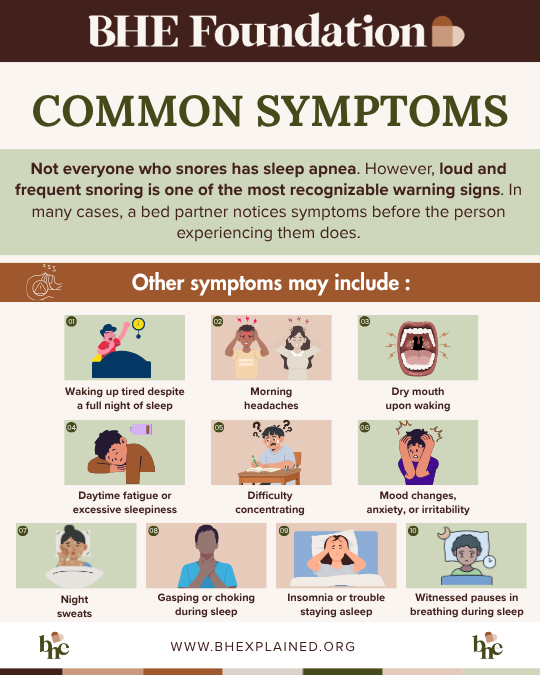
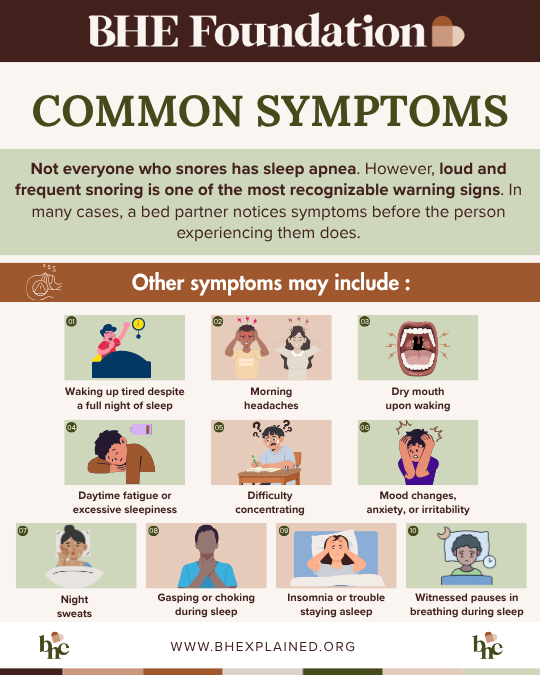
Not everyone who snores has sleep apnea. However, loud and frequent snoring is one of the most recognizable warning signs. In many cases, a bed partner notices symptoms before the person experiencing them does. Other common symptoms include:
Waking up tired despite a full night of sleep
Morning headaches
Dry mouth upon waking
Daytime fatigue or excessive sleepiness
Difficulty concentrating
Mood changes, anxiety, or irritability
Night sweats
Gasping or choking during sleep
Insomnia or trouble staying asleep
Witnessed pauses in breathing during sleep
In children, sleep apnea may present as bedwetting, hyperactivity, or learning difficulties.
When to Seek Help
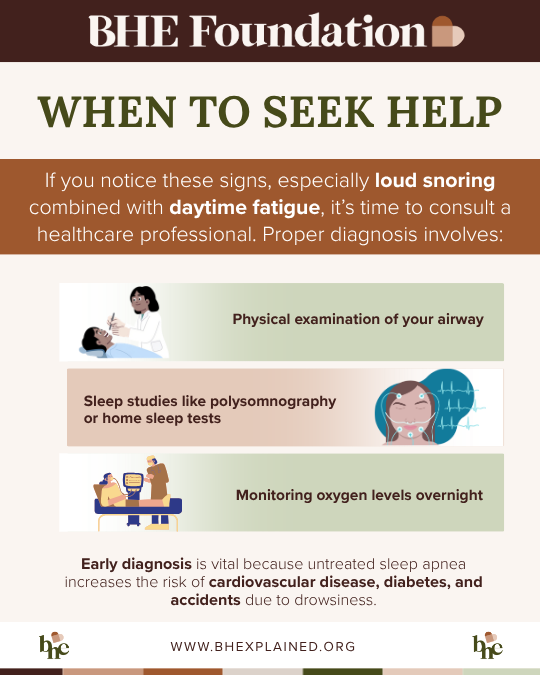
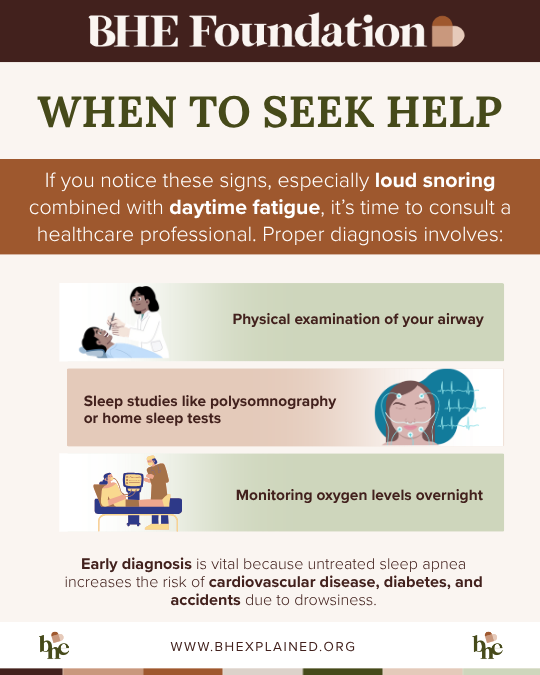
If you notice consistent signs, especially loud snoring combined with daytime fatigue, it’s time to consult a healthcare professional. Proper diagnosis involves:
Physical examination of your airway
Sleep studies like polysomnography or home sleep tests
Monitoring oxygen levels overnight
Early diagnosis is vital because untreated sleep apnea increases the risk of cardiovascular disease, diabetes, and accidents due to drowsiness.
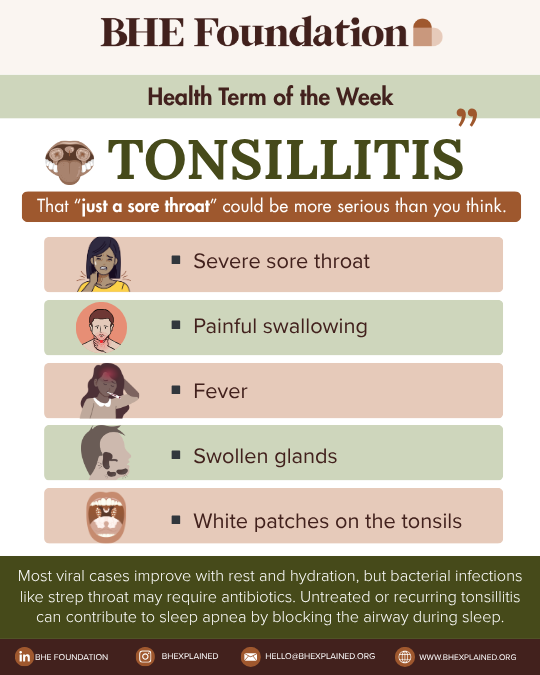
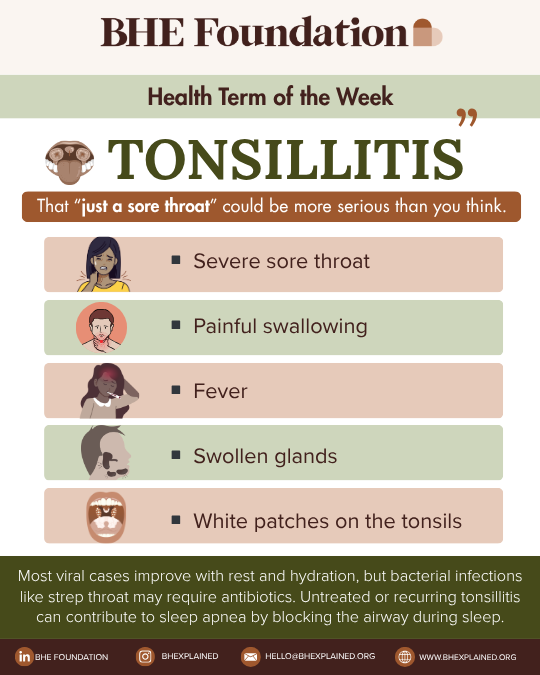
Tonsilitis
Whatever it is, the way you tell your story online can make all the difference.
How Sleep Apnea is Diagnosed
Healthcare providers diagnose sleep apnea using sleep evaluations and overnight monitoring.
Sleep Study (Polysomnography)
A polysomnogram is considered the gold standard for diagnosing sleep apnea. During this overnight test, specialists monitor:
Brain activity
Oxygen levels
Heart rate
Breathing patterns
Movement during sleep
Home Sleep Apnea Test
Some people may qualify for an at-home sleep study, which measures breathing and oxygen levels overnight.
Providers also use the Apnea-Hypopnea Index (AHI) to determine severity:
Mild: 5–14 breathing interruptions per hour
Moderate: 15–29 interruptions per hour
Severe: 30 or more interruptions per hour
Treatment Options
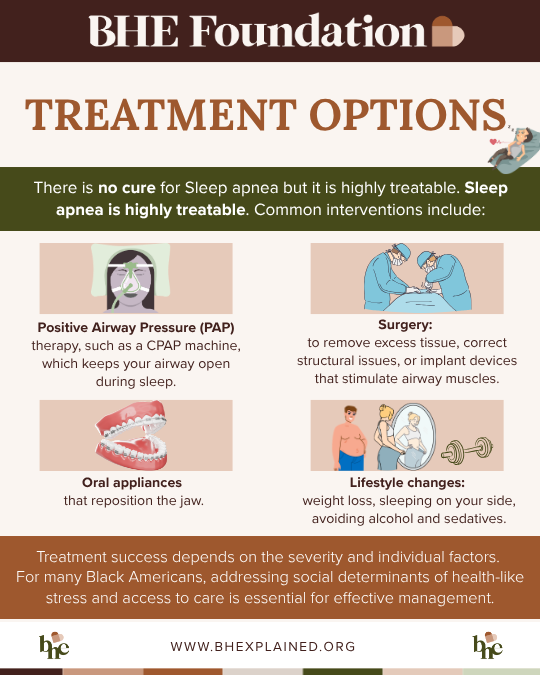
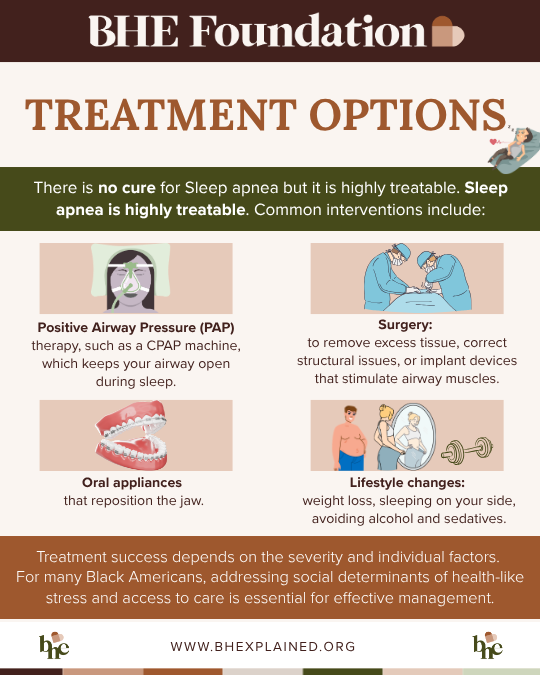
The good news is that sleep apnea is highly treatable.
CPAP Therapy
Continuous Positive Airway Pressure (CPAP) therapy is the most common treatment. A CPAP machine delivers steady air pressure through a mask to keep the airway open during sleep.
Research shows CPAP treatment can:
Improve sleep quality
Reduce daytime fatigue
Lower blood pressure
Decrease cardiovascular risk
Oral Appliances
Custom mouthpieces can help reposition the jaw and reduce airway blockage during sleep.
Lifestyle Changes
Healthy lifestyle habits can significantly improve symptoms, including:
Weight loss
Regular exercise
Sleeping on your side
Limiting alcohol use
Quitting smoking
Managing chronic conditions like diabetes and hypertension
Even losing 5% to 10% of body weight may reduce apnea episodes in some individuals.
Surgical Options
In severe cases, surgery may help remove tissue blocking the airway or correct structural issues like a deviated septum.
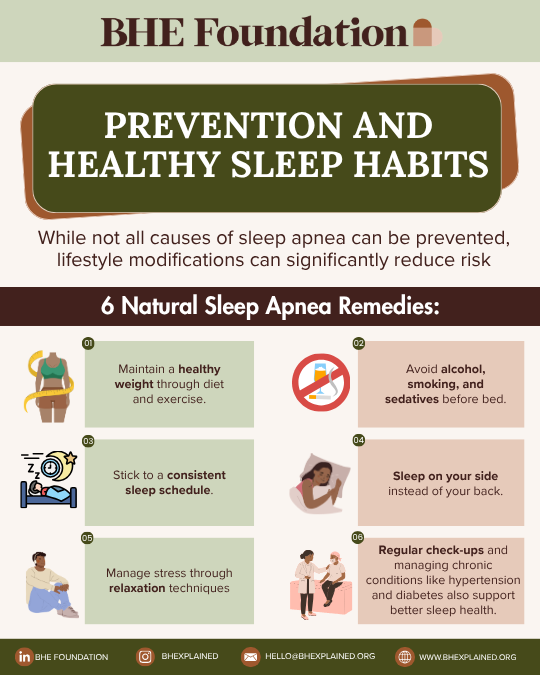
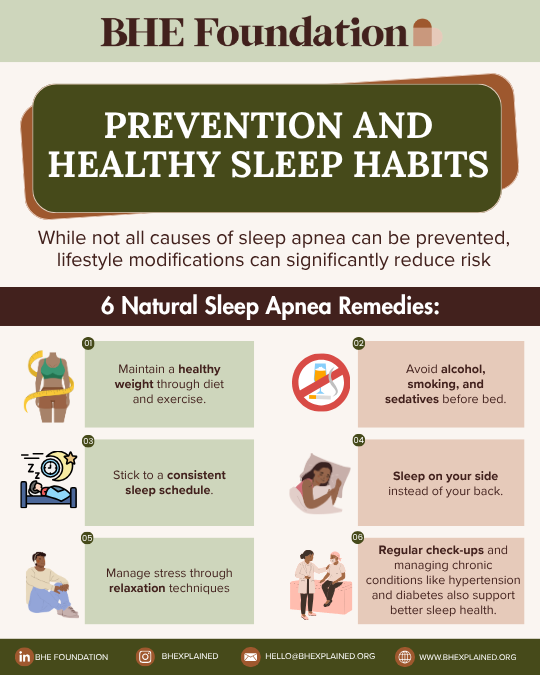
Prevention and Healthy Sleep HabitsWhile not all causes of sleep apnea can be prevented, lifestyle modifications can significantly reduce risk:
Maintain a healthy weight through diet and exercise.
Avoid alcohol, smoking, and sedatives before bed.
Stick to a consistent sleep schedule.
Sleep on your side instead of your back.
Manage stress through relaxation techniques.
Regular check-ups and managing chronic conditions like hypertension and diabetes also support better sleep health.
The Bottom Line
Sleep apnea is one of the most underrecognized health conditions affecting Black Americans today. Left untreated, it can increase the risk of serious chronic illnesses and reduce overall quality of life.
Better sleep is not a luxury. It is a critical part of preventive healthcare, mental wellness, cardiovascular health, and long-term health equity.
If you or someone you love experiences loud snoring, constant fatigue, or breathing interruptions during sleep, it may be time to start the conversation with a healthcare provider. Early diagnosis and treatment can improve sleep, protect heart health, and save lives.