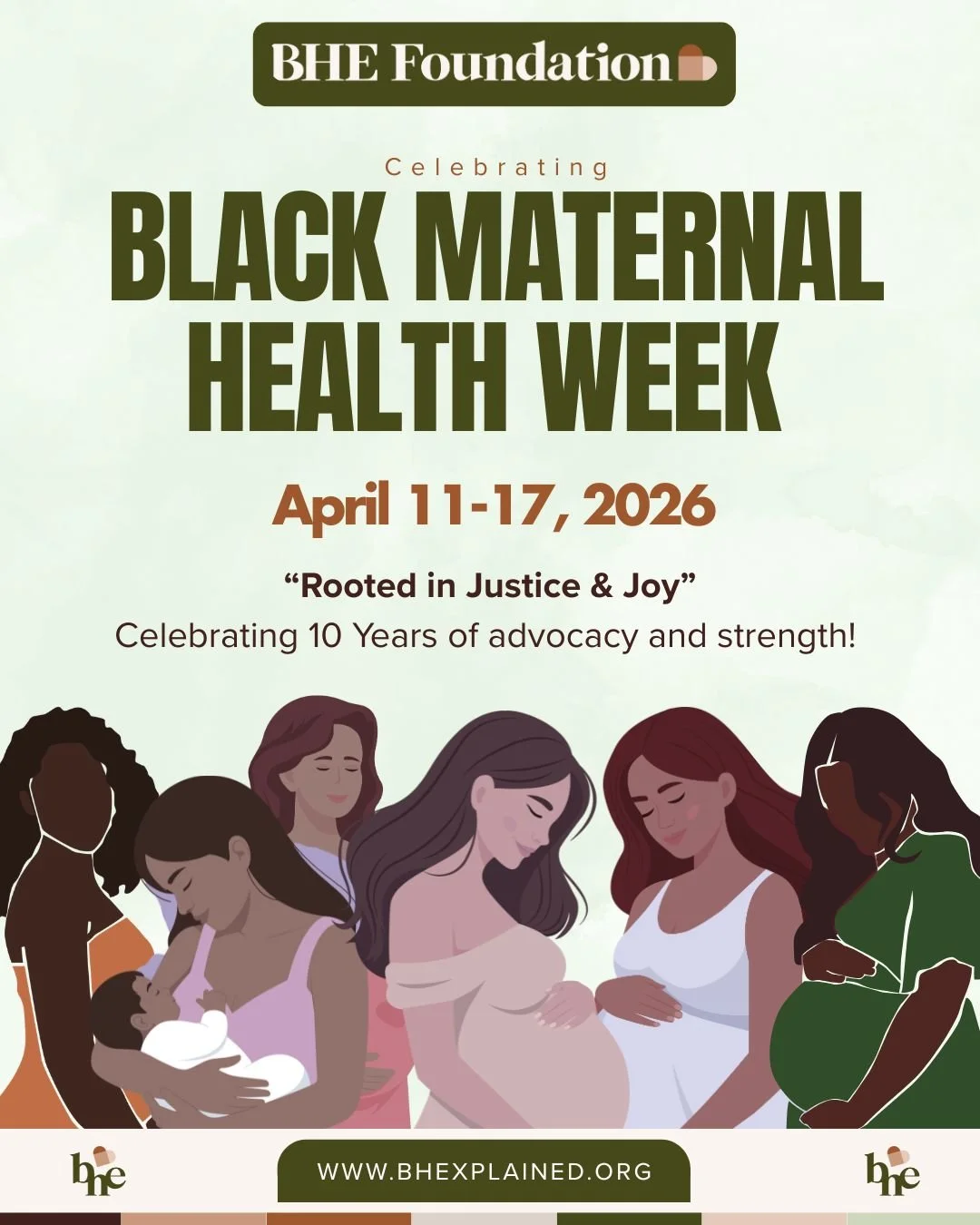
Understanding and Advocating for Black Maternal Health During Black Maternal Health Week 2026
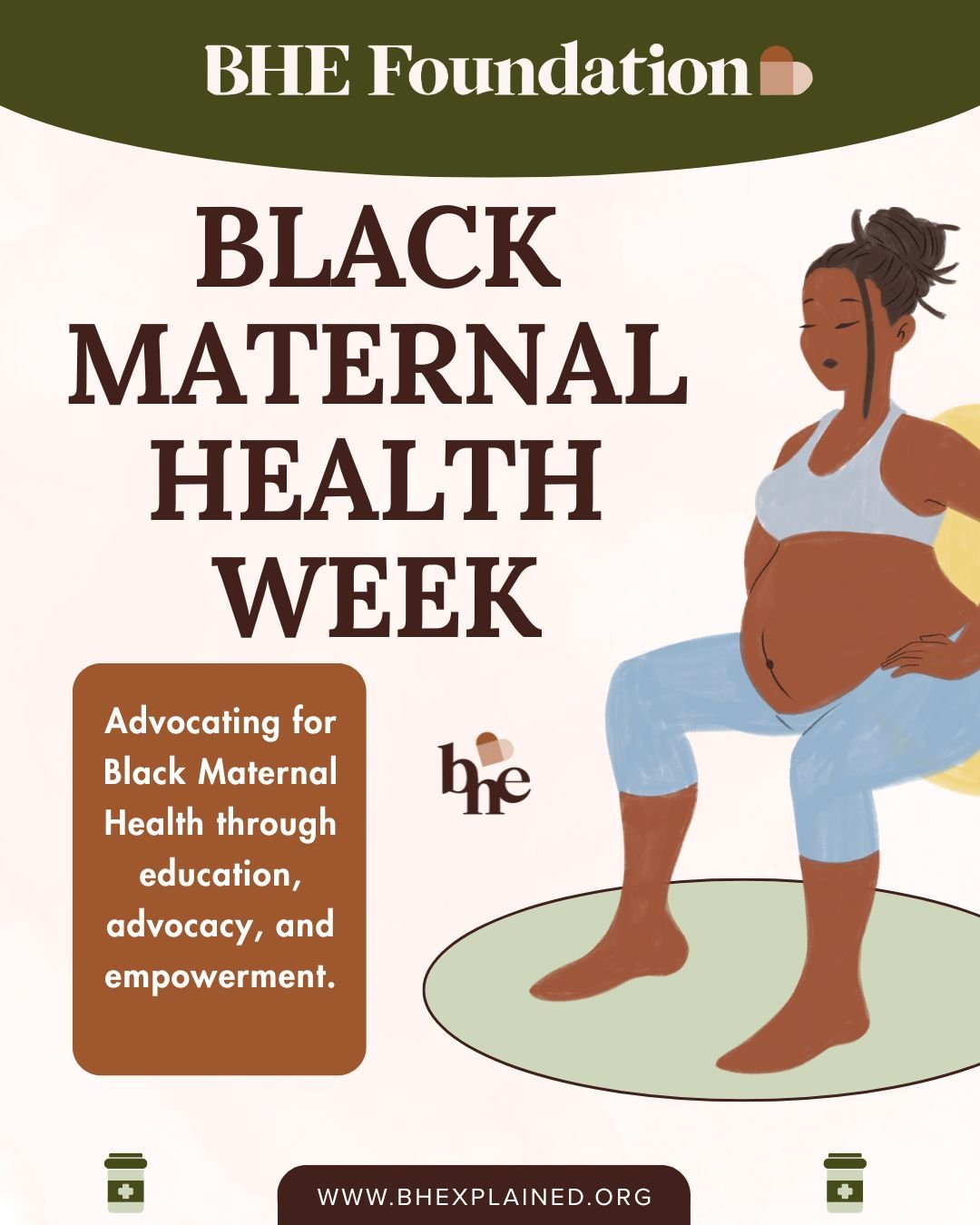
As we commemorate Black Maternal Health Week from April 11-17, we honor a decade of advocacy led by the Black Mamas Matter Alliance (BMMA). This year’s poignant theme, “Rooted in Justice & Joy,” reminds us of the urgency to address alarming disparities in maternal health, particularly for Black women in the US.
The Stark Reality
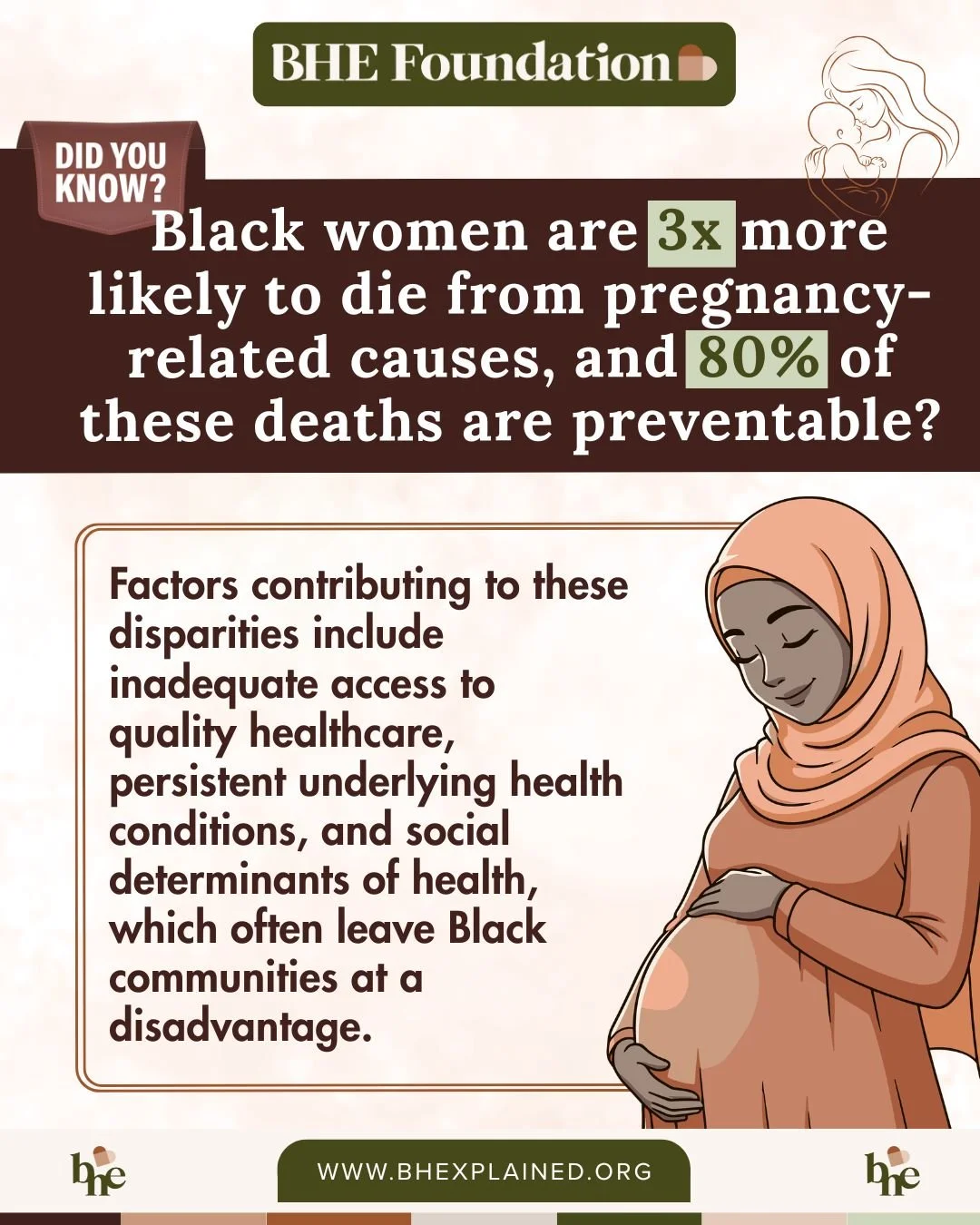
Every year, more than 80% of pregnancy-related deaths in the United States are preventable. Yet, the statistics reveal a harsh truth: Black women are 3X more likely to die from pregnancy-related complications than their White counterparts. Factors contributing to these disparities include inadequate access to quality healthcare, persistent underlying health conditions, and social determinants of health, which often leave Black communities at a disadvantage.
Health Conditions to Watch Out For
Awareness is key to reducing maternal mortality. Several health issues disproportionately affect Black women, including:
Chronic Heart Disease - A leading risk factor for complications during pregnancy.
Hypertension - High blood pressure can lead to severe outcomes if left unmanaged.
Obesity - This can complicate pregnancy and increase the risk of diabetes and hypertension.
Diabetes - Not only a pre-existing condition but also one that can manifest during pregnancy.
These aren’t just “health issues”; they’re tied to stress, access to care, food deserts, and systemic inequities many of us navigate daily.

Additional Conditions You Should Know
Fortunately, there are several measures that can be taken to combat period poverty across the United States and Ohio, such as: Gestational Diabetes
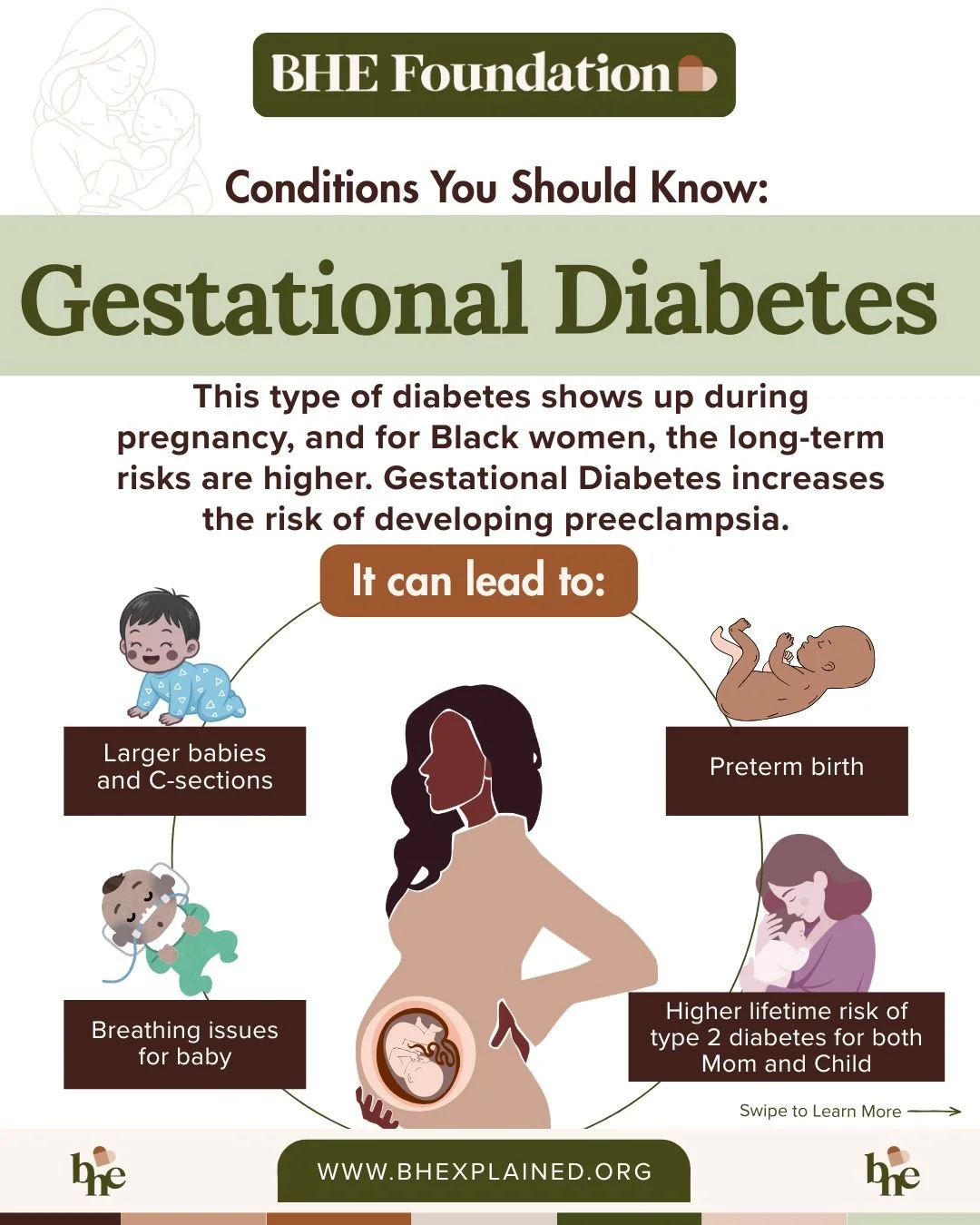
This type of diabetes shows up during pregnancy, and for Black women, the long-term risks are higher. Gestational Diabetes increases the risk of developing preeclampsia.
It can lead to:
Larger babies and C-sections
Preterm birth
Breathing issues for baby
Higher lifetime risk of type 2 diabetes for both mom and child
Pre-Eclampsia
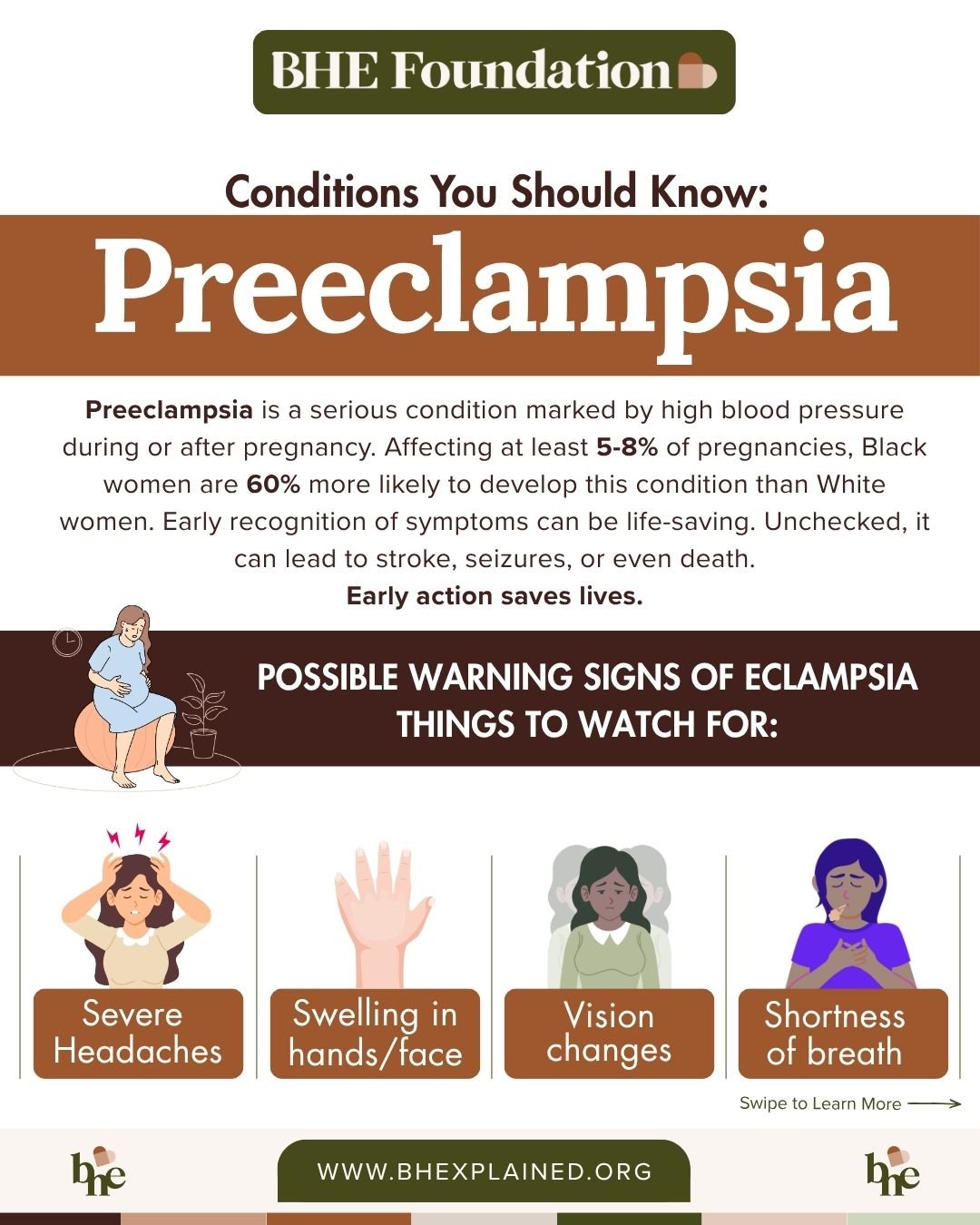
A serious condition marked by high blood pressure during or after pregnancy. Affecting at least 5-8% of pregnancies, Black women are 60% more likely to develop this condition than White women. Early recognition of symptoms can be life-saving.
Watch for:
Severe headaches
Swelling in hands/face
Vision changes
Shortness of breath
Unchecked, it can lead to stroke, seizures, or even death. Early action saves lives.
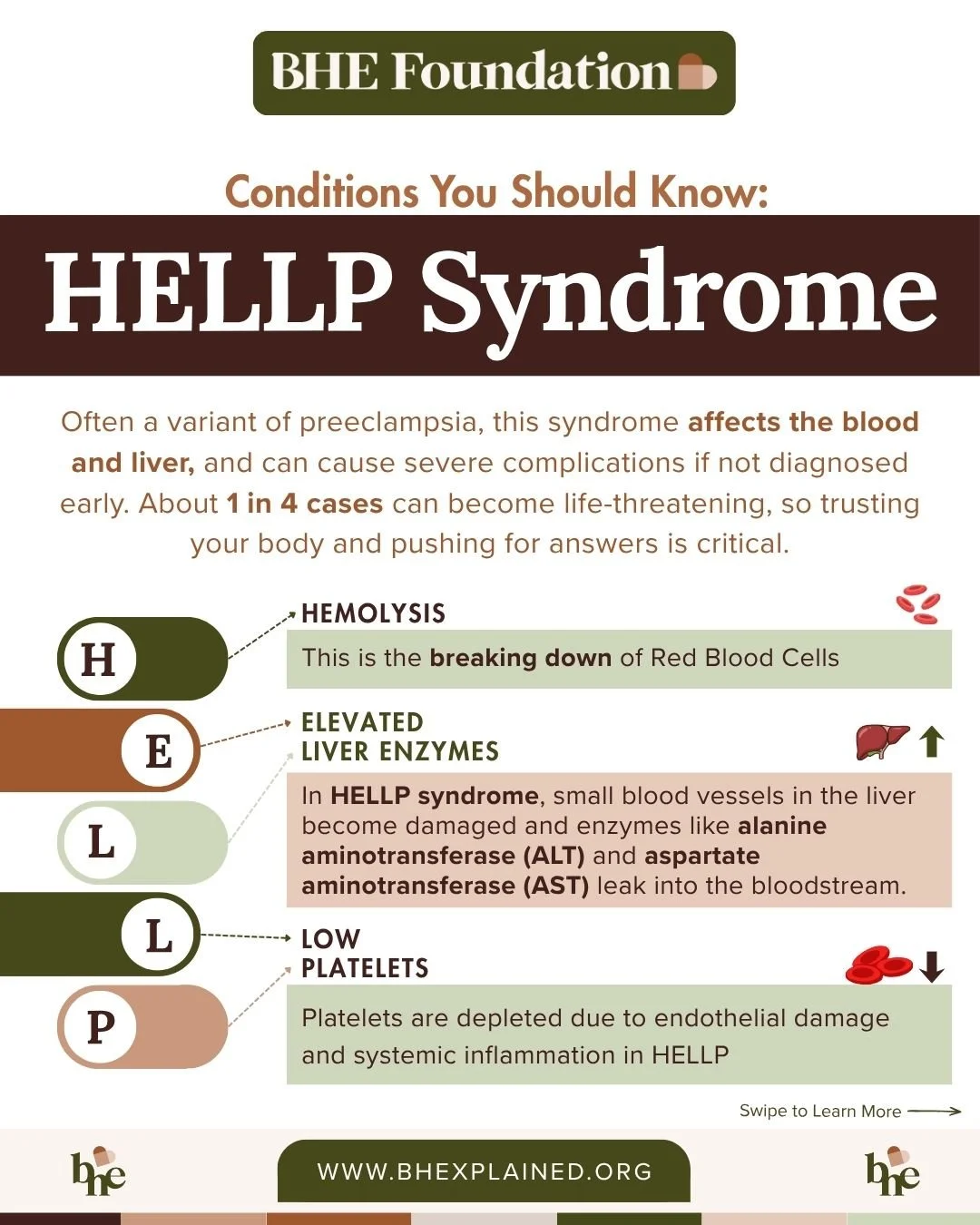
HELLP Syndrome
Often a variant of preeclampsia, this syndrome affects the blood and liver, and can cause severe complications if not diagnosed early.
It’s often misdiagnosed because symptoms can feel like:
Flu
Stomach pain
Nausea
About 1 in 4 cases can become life-threatening, so trusting your body and pushing for answers is critical.
The Bigger Picture
Policy & Change
Legislation is in the works but it’s not there yet. The Black Maternal Momnibus Act of 2021, introduced by Congress to address the maternal health crisis in the country includes 13 separate actions to help Black mothers, from housing and transportation programs to digital tools that improve health outcomes in underserved areas. As of 2023, the legislation is still working its way through Congress.
Advocacy and Empowerment
Here’s some changes you can make now in your pregnancy journey to make a big difference.
Midwives and Doula’sIn addition to providing educational support, to including a doula or midwife has been shown to enhance the birthing experience and outcomes for Black mothers.
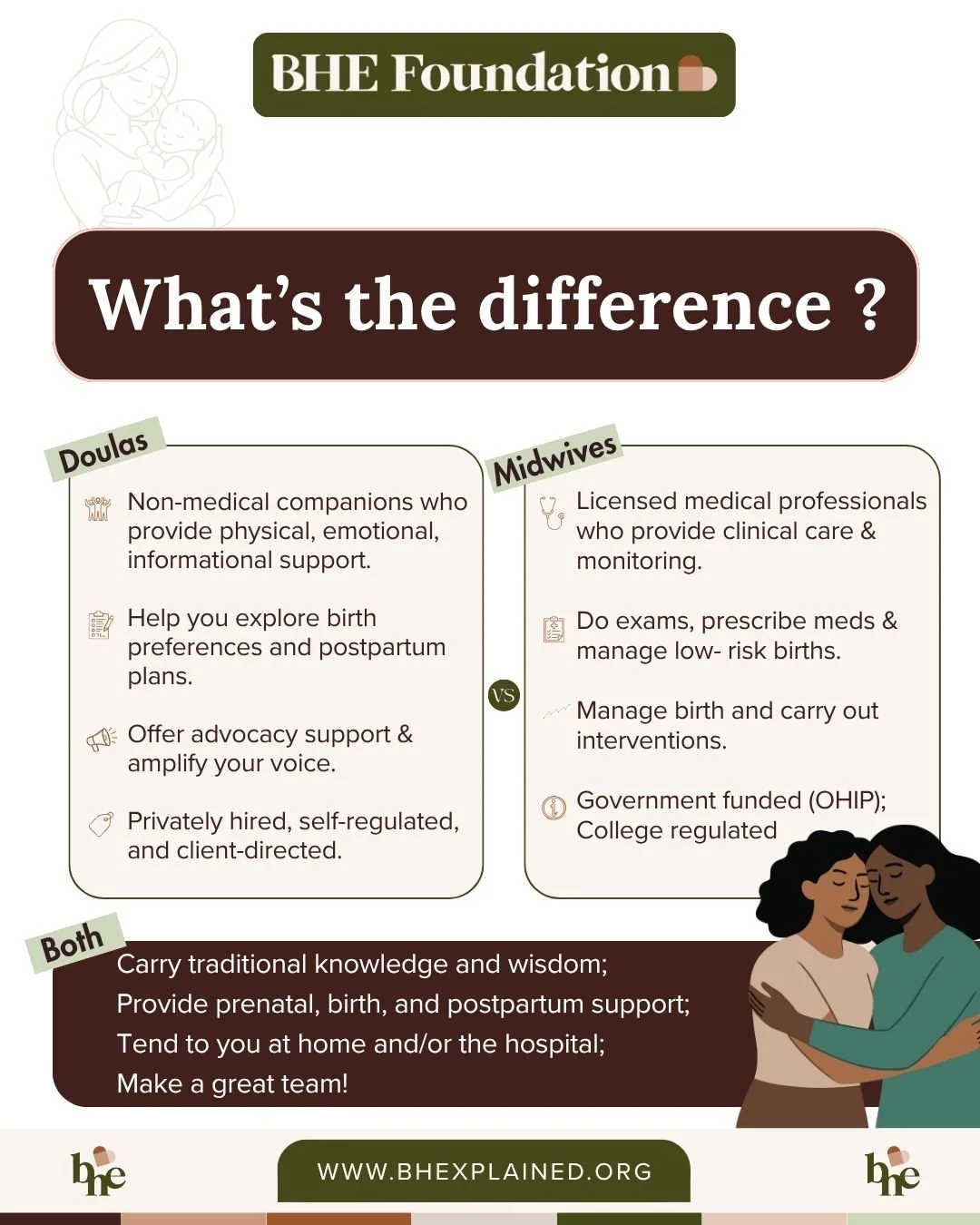
Doulas offer emotional and physical support, while midwives are trained healthcare professionals managing prenatal care and childbirth. Importantly, many insurance plans cover midwifery services!
What is a Doula?
A doula is your support system in human form; someone trained to advocate, guide, and stand with you before, during, and after birth.
They help you:
Ask the right questions
Understand your options
Feel seen and supported
Studies show doulas can lead to:
Shorter labor
Fewer C-sections
Lower postpartum depression rates
What is a Midwife?
Midwives are licensed medical professionals who provide full pregnancy and birth care.
They can:
Deliver babies
Prescribe medications
Monitor your health
And here’s what many don’t realize:
Midwives are often covered by insurance.
Midwives are covered by insurance!
〰️
Midwives are covered by insurance! 〰️
Advocating for Yourself: You Deserve to Be Heard
For Expecting Mothers and Families:
Communicate Actively with Healthcare Providers
If something feels off, don’t hesitate to reach out for help.
Know the Warning Signs - It's crucial to recognize symptoms like severe headaches, extreme swelling, or heavy bleeding as potential emergencies.
Connect with Support Systems - Build a network of healthcare and social support before, during, and after pregnancy.
Conclusion
By engaging in conversations surrounding Black maternal health, we can help dismantle the barriers that contribute to these devastating disparities. When Black mothers thrive, families thrive. And when families thrive, our communities grow stronger. This Black Maternal Health Week, empower yourself and others in our community with knowledge, advocacy, and a shared commitment to justice and joy.