
Catch the latest
Catch the latest video

Catch the latest PODAST

Shellfish Allergies in Adults: What Black Communities Need to Know
When we think about allergies, many people assume they begin in childhood; but shellfish allergies often develop in adulthood, making them one of the most overlooked health risks, especially in areas where seafood is a staple.
An allergy occurs when the immune system reacts to a substance (called an allergen) as if it were harmful. With food allergies, that reaction can escalate quickly and, in some cases, become life-threatening.
Among all food allergies, shellfish is the most common in adults and the most common amongst children, followed by peanuts and tree nuts.
Anxiety in the Black Community: Breaking the Stigma & Taking Care of Your Mental Health
In this Mental Health Awareness Month post, we discuss mental health in the Black Community with a focus on anxiety disorders. After reading, you’ll learn about Generalized Anxiety Disorder and Social Anxiety Disorder, the two most common anxiety disorders experienced by Black adults. Practical tips are shared for supporting people experiencing anxiety. Understanding of mental health conditions and showing compassion to those who experience them will help destigmatize mental health in our community.

Health Insurance 101 for Black Adults: How to Choose the Right Plan and Avoid Costly Mistakes
Health insurance helps protect you from high medical costs and gives you access to care when you need it. In this blog, we talk about the basics of health insurance to ensure our communities get access to the care they need.

Earth Day 2026: Microplastics & PFAS
Happy Earth Day! Today, we’ll dive into the critical issues of microplastics and Per- and polyfluoroalkyl substances (PFAS) — two pervasive environmental contaminants that pose significant risks to both our planet and our health. Understanding these threats is crucial, especially for Black men and women aged 24-45, as we navigate a world where systemic inequalities often place our communities in harm’s way. By reading this post, you'll gain insights into what microplastics and PFAS are, how they affect our health and environment, and practical steps you can take to limit your exposure while advocating for systemic changes.
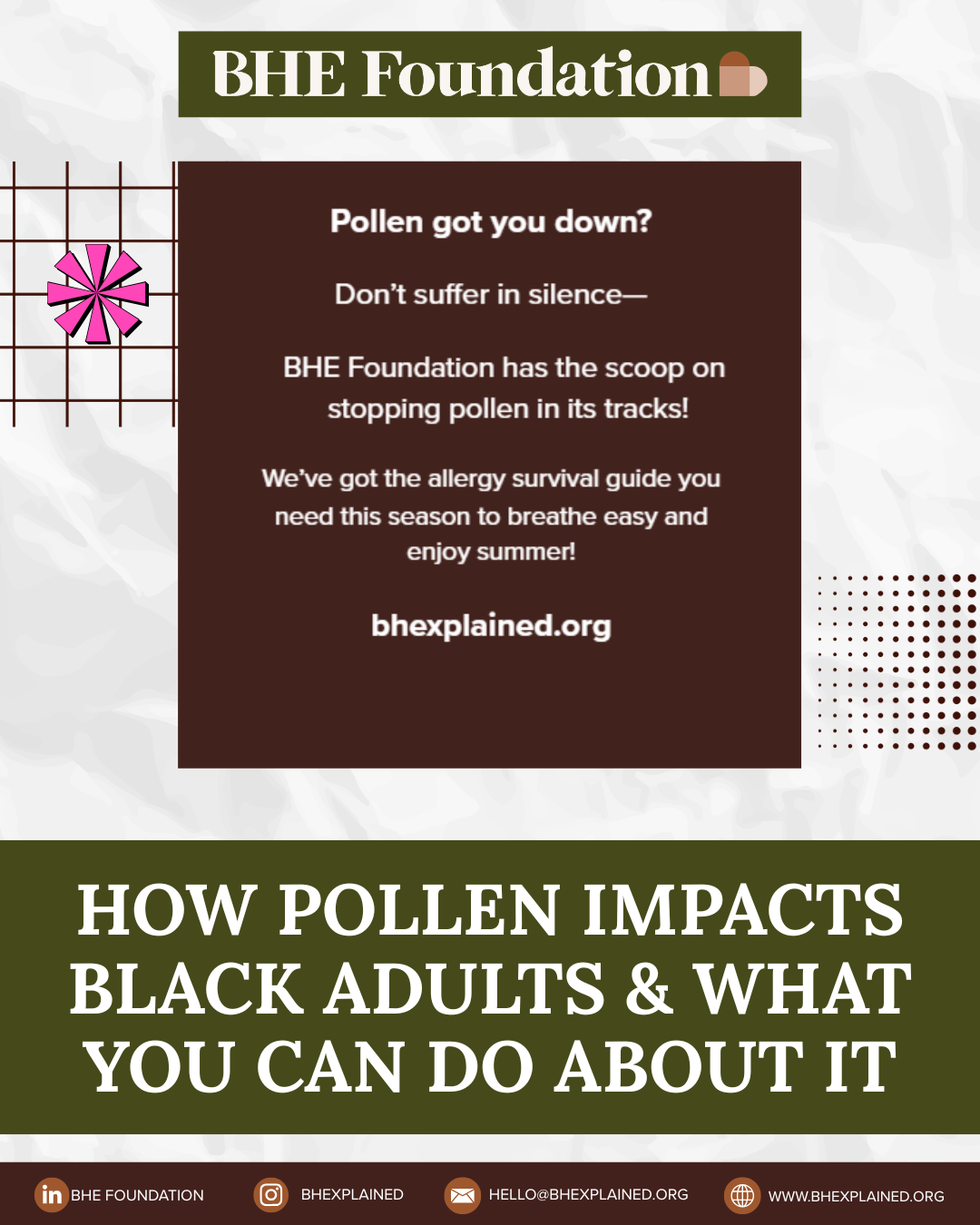
Spring Allergies: How Pollen Impacts Black Adults & What You Can Do About It
As spring approaches in the DMV area, many of us look forward to warmer weather; but for millions, it also marks the start of seasonal allergies.
An allergy occurs when the immune system reacts to a normally harmless substance as if it were dangerous. These reactions can range from mild symptoms like watery eyes to severe, life-threatening conditions such as anaphylaxis. In fact, over 106 million people (about 1 in 3 individuals) in the U.S. experience allergies each year. Several conditions fall under the umbrella of allergies, including allergic rhinitis (sometimes called “hay fever”), food allergies, anaphylaxis, allergic skin conditions, and allergic asthma. The most common food allergies are peanut, milk, shellfish, and tree nuts.

Understanding Food Insecurity: A Deep Dive into a Pervasive Issue
In the quest for equality, affirmative action stands as a pivotal tool aimed at rectifying historical injustices and fostering diversity in various facets of society. Yet, amidst its noble intentions, affirmative action remains a subject of contentious debate, with misconceptions and stigmas clouding its purpose and impact. As we delve into understanding this complex issue, we uncover the importance of dismantling stereotypes and embracing the role of affirmative action in promoting equity and inclusion.

Celebrating Juneteenth: Black Health Report
June 19th, also known as Juneteenth, marks a pivotal moment in American history. It commemorates the day in 1865 when Union soldiers arrived in Galveston, Texas.
Are you passionate about health?
Contact us about how you can write articles and contribute to the blog.
Know Your Risk. Know Your Numbers. Know Your Options.
Prostate health is about more than waiting for symptoms to appear. Knowing your risk factors and having an informed conversation with a healthcare provider can help you make decisions about screening and treatment.
Men should talk with their healthcare provider about prostate cancer risk, particularly if they are older, have a family history of prostate cancer, or are Black.
Your prostate health is part of your overall health—and knowing what is normal for you can help you recognize when something has changed.